
Relief from painful anal fissures in Bangalore
Most fissures heal with simple care. For those that keep coming back, our Indiranagar surgeons offer laser and minimally invasive anal fissure treatment to ease the pain and help the tear heal.

30+ Years
in healthcare
25,000+
surgeries performed
1,00,000+
patients treated
Dr. Yuvraj Singh Gehlot
Senior GI, Laparoscopic & Colorectal Surgeon
- Procedure time
- About 20–30 min*
- Anaesthesia
- Spinal or general
- Hospital stay
- Same day*
- Back to routine
- Usually 1–3 days*
*Applies to most patients who need a procedure for a chronic fissure. Many acute fissures heal without any procedure, and recovery varies from person to person.
What is an anal fissure?
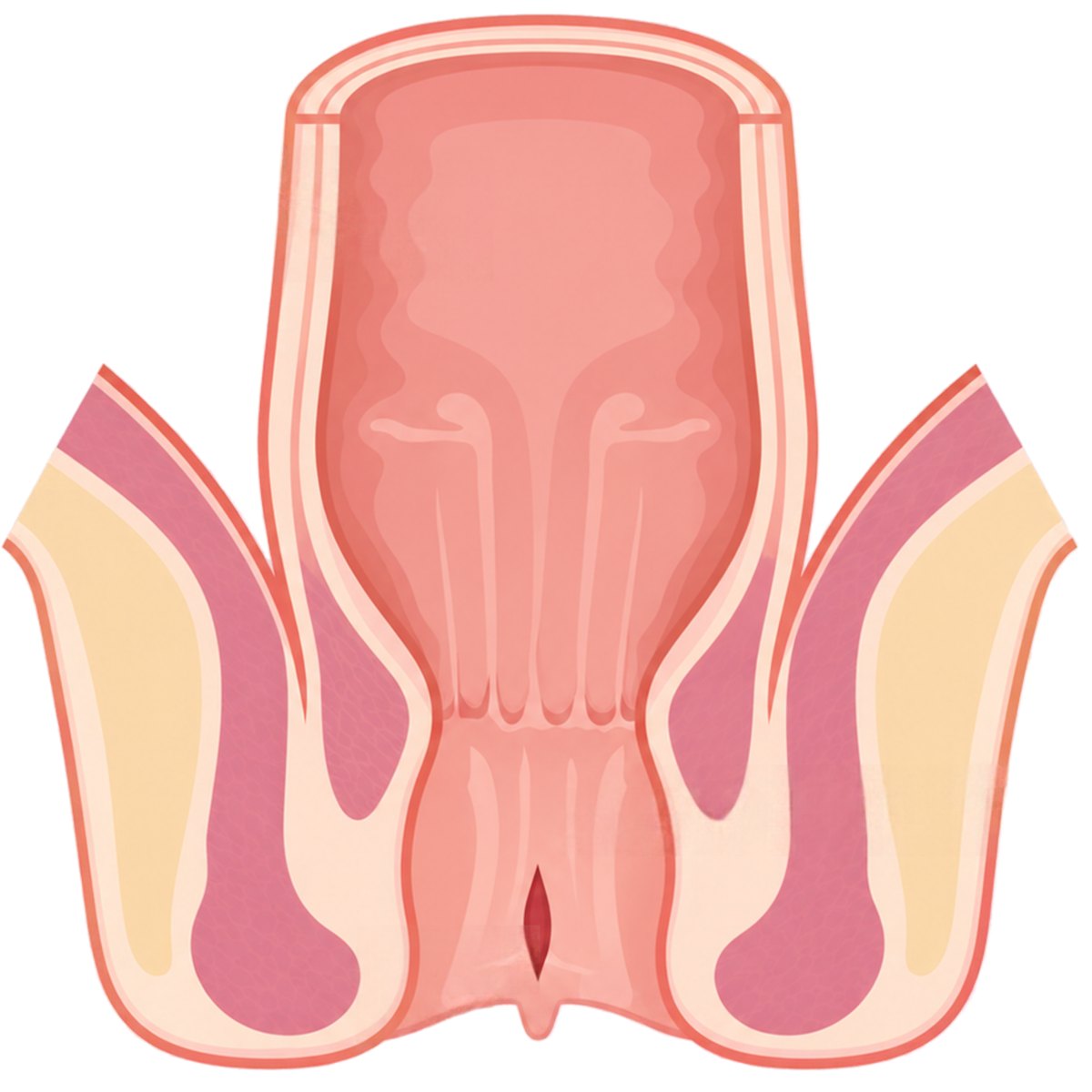
An anal fissure is a small tear in the thin lining of the anal canal. It typically causes a sharp, cutting pain while passing stools, often followed by a burning ache that can last for hours.
Anal fissure symptoms
- Sharp or tearing pain while passing stools
- A burning or throbbing ache that lasts for minutes to hours afterwards
- Small amounts of bright red blood on the stool or toilet paper
- A visible crack or small skin tag near the anus
- Itching or irritation around the anus
- Fear of going to the toilet, which can worsen constipation
What causes anal fissures?
- Passing hard or large stools due to constipation
- Straining during bowel movements
- Long-standing diarrhoea
- Childbirth
- High tension in the anal sphincter muscle
- Less commonly, Crohn's disease, tuberculosis or other infections
When to see a fissure doctor
- Pain or bleeding that has not improved after two weeks of home care
- Heavy bleeding or passing clots
- Fever, swelling or pus near the anus, which may indicate an abscess
- A change in bowel habits or unexplained weight loss
How we treat fissures
We always start with the gentlest option that will work for you.
- 01
Diet and lifestyle changes
High fibre and water keep stools soft and take pressure off the tear.
Non-surgical - 02
Sitz baths
Warm water for 10–15 minutes, a few times a day, relaxes the muscle and eases pain.
Home care - 03
Medication
Stool softeners, numbing gels and sphincter-relaxing ointments help many fissures heal.
Non-surgical - 04
Laser treatment
For chronic fissures, laser treats the tear and skin tag with minimal cutting.
Minimally invasive - 05
Lateral internal sphincterotomy
A small controlled cut relaxes the muscle so a chronic fissure can heal.
Surgical
Not sure which option suits you? Our surgeon will examine you and explain every choice.
Your treatment, step by step
- 1
Consultation and examination
Your surgeon examines you to confirm the fissure and rule out other causes.
- 2
Trying conservative care
Most patients start with diet, sitz baths and medicines before any procedure.
- 3
The procedure
If needed, laser or sphincterotomy under anaesthesia, usually under 30 minutes.
- 4
Discharge and follow-up
Most go home the same day. A review visit checks that the fissure is healing.
Recovery after fissure treatment
-
First few days
The sharp pain with bowel movements often eases soon after. Mild soreness settles.
-
1 week
Most return to work and daily activities. Keep stools soft.
-
4–6 weeks
The fissure usually heals. Your surgeon checks healing at follow-up.
Anal fissure treatment in Bangalore: your questions answered
Do all anal fissures need surgery?
No. Most acute fissures heal with diet changes, sitz baths and medication. A procedure is usually considered only for chronic fissures that do not heal with these measures.
How is a fissure different from piles?
A fissure is a tear in the lining of the anus and typically causes sharp pain with bowel movements. Piles are swollen blood vessels that more often cause painless bleeding or a lump, although the two can occur together.
Will sphincterotomy affect bowel control?
A small number of patients notice minor changes in control of gas or loose stools, which often improve with time. Your surgeon will discuss this risk and whether it applies to you before the procedure.
How long does a fissure take to heal?
An acute fissure often heals within a few weeks with good care. After a procedure for a chronic fissure, healing usually takes around four to six weeks.
Can a fissure come back?
Yes, fissures can recur, particularly if constipation returns. A high-fibre diet, enough water and not straining are the best ways to prevent this.
How much does anal fissure treatment cost in Bangalore?
The cost depends on your diagnosis, the procedure advised and your insurance cover. We give a written estimate after consultation and help with insurance. Call +91 84315 50550 for a personalised estimate.