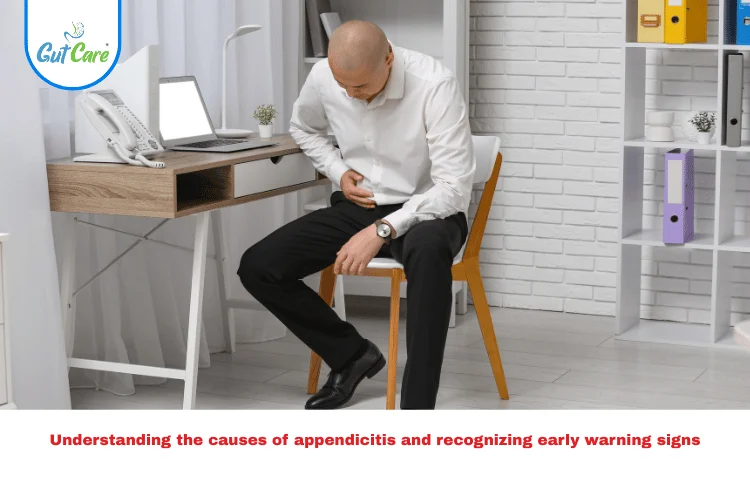

Acute appendicitis is a sudden inflammation of the appendix that requires immediate medical attention. It often starts with mild abdominal discomfort near the navel and gradually becomes sharper, shifting to the lower right side. Many people mistake the early signs for simple gas, indigestion, or food-related discomfort. However, ignoring these symptoms can allow the condition to worsen quickly. Without timely treatment, the inflamed appendix may rupture and cause serious complications. Recognizing the warning signs, understanding the causes, and seeking prompt medical care can significantly improve recovery outcomes and reduce the risk of further health problems.
“Severe abdominal pain is never “just gas.” Don’t guess. Don’t wait.Get checked today.”
What Is Acute Appendicitis?
The appendix is a small finger-shaped pouch attached to the large intestine. When it becomes blocked or infected, it swells and fills with pus. This sudden inflammation is known as acute appendicitis.
It is considered a medical emergency because the inflamed appendix can rupture if not treated promptly. Once it bursts, infection may spread inside the abdomen, leading to serious complications.
Unlike chronic abdominal discomfort that develops slowly, appendicitis progresses quickly, often within 24 to 48 hours. That is why recognizing symptoms early can prevent life-threatening problems.
Where Is Appendix Pain Located?
One of the most common questions patients ask is about pain location.
In acute appendicitis, pain usually:
- Starts near the belly button
- Moves toward the lower right side of the abdomen
- Becomes sharper and more intense over time
- Worsens while walking, coughing, or pressing the area
The shift of pain from the center to the right lower abdomen is a key diagnostic sign. However, children, elderly patients, and pregnant women may experience slightly different patterns.
Early Warning Signs You Should Never Ignore
Recognizing early symptoms can prevent complications of acute appendicitis. The most common warning signs include:
- Sudden abdominal pain that worsens steadily
- Loss of appetite
- Nausea or vomiting
- Mild fever
- Bloating
- Constipation or diarrhea
Pain that intensifies within hours is especially concerning. If abdominal discomfort becomes severe and does not improve, medical evaluation is necessary.
Causes of Acute Appendicitis
The main causes include:
- Blockage by hardened stool
- Infection in the digestive tract
- Swollen lymph tissue
- Intestinal parasites (rare)
When the appendix becomes blocked, bacteria multiply inside it. Pressure builds up, blood supply reduces, and inflammation increases. Without treatment, rupture may occur.
Who Is at Risk of Developing Acute Appendicitis?
Although appendicitis can affect anyone, it is more common in:
- People aged 10 to 30
- Males slightly more than females
- Individuals with a family history
- People with untreated digestive infections
Children may struggle to describe symptoms clearly, which makes parental awareness extremely important.
How Is Acute Appendicitis Diagnosed?
- Physical examination to check tenderness
- Blood tests to detect infection
- Ultrasound imaging
- CT scan for detailed confirmation
A trained colorectal surgeon carefully evaluates the symptoms and test results before recommending surgery.
Treatment Options
The standard treatment for acute appendicitis is surgical removal of the appendix, called an appendectomy.
1. Laparoscopic Appendectomy
- Minimally invasive
- Smaller incisions
- Faster recovery
- Less pain
2. Open Surgery
- Recommended in complicated cases
- Used if rupture has occurred
In some early cases, antibiotics may be considered. However, surgery remains the most reliable and permanent solution for acute appendicitis.
What Happens If Acute Appendicitis Is Not Treated?
Untreated acute appendicitis can lead to:
- Appendix rupture
- Infection spreading inside the abdomen
- Abscess formation
- Severe illness
A ruptured appendix significantly increases hospital stay and recovery time. Seeking immediate medical care prevents these complications.
Recovery After Acute Appendicitis Surgery
Recovery after surgery for acute appendicitis depends on the method used.
- Hospital stay: 1–3 days in simple cases
- Return to normal routine: 1–2 weeks
- Heavy activity: Avoid for 4–6 weeks
Patients are advised to follow dietary instructions and attend follow-up visits. Most individuals recover completely with timely treatment.
Advanced Care at Gutcare Clinics
For patients in Bangalore, Gutcare Clinics offers specialized evaluation and treatment for digestive emergencies. The hospital focuses on minimally invasive surgical techniques and patient-centered care.
Under the expertise of Dr. Yuvrajsingh Gehlot, an experienced colorectal surgeon, patients receive accurate diagnosis and modern surgical management. Early intervention at a specialized center reduces complications and speeds up healing.
Timely consultation at Gutcare Clinics ensures that abdominal pain is evaluated properly rather than ignored.
When Should You See a Doctor Immediately?
Seek emergency care if you experience:
- Severe abdominal pain on the right side
- Pain that suddenly worsens
- Persistent vomiting
- Fever with abdominal tenderness
Never ignore symptoms that continue for more than a few hours. Early treatment makes a major difference in outcomes.
Summary: Act Early, Stay Safe
Understanding the signs of acute appendicitis can save lives. It begins with mild pain but can quickly become dangerous. Recognizing symptoms, getting proper diagnosis, and undergoing timely treatment ensure safe recovery.
If abdominal pain feels unusual or severe, do not wait. Consult a qualified specialist and get evaluated immediately.
FAQs
1. What are the first signs of acute appendicitis?
Early signs of acute appendicitis include pain near the navel that shifts to the lower right abdomen, nausea, and mild fever.
2. Can acute appendicitis go away without surgery?
In most cases, acute appendicitis requires surgical removal. Delaying treatment increases complications.
3. How quickly does acute appendicitis become serious?
Acute appendicitis can worsen within 24–48 hours. Immediate medical evaluation is recommended.
4. How is acute appendicitis diagnosed?
Doctors diagnose acute appendicitis through physical examination, blood tests, ultrasound, and CT scans.
5. Where can I get expert treatment in Bangalore?
For advanced surgical care and consultation, Gutcare Clinics provides specialized treatment guided by experienced professionals.