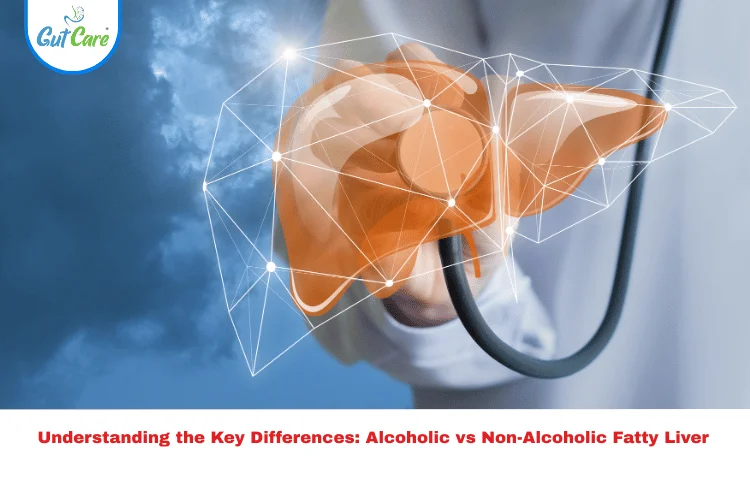
Understanding alcoholic vs non-alcoholic fatty liver is important because both conditions affect the same organ but develop for different reasons. Many people assume fatty liver happens only due to alcohol, but that is not true. Lifestyle, weight, diabetes, and metabolism also play a big role. Knowing the difference helps in early detection, proper treatment, and preventing long-term liver damage. Understanding Alcoholic vs Non-Alcoholic Fatty Liver helps individuals recognize risk factors early and take preventive steps to protect liver function and overall health.
“Your liver works hard for you—give it the care it deserves. Get clarity.”
What Is Alcoholic Fatty Liver Disease (AFLD)?
Alcoholic Fatty Liver Disease (AFLD) develops due to regular and heavy alcohol consumption. The liver breaks down alcohol, but excessive intake overloads it. This process creates harmful substances that damage liver cells and lead to fat accumulation.
Risk factors include:
- Long-term alcohol use
- Poor nutrition
- Genetic susceptibility
In the discussion of alcoholic vs non-alcoholic fatty liver, AFLD is directly linked to drinking habits.
What Is Non-Alcoholic Fatty Liver Disease (NAFLD)?
Non-Alcoholic Fatty Liver Disease (NAFLD) occurs in people who drink little or no alcohol. Instead, it is strongly linked to metabolic problems such as obesity, insulin resistance, and high blood sugar.
Common risk factors:
- Being overweight
- Type 2 diabetes
- High triglycerides
- Sedentary lifestyle
When evaluating alcoholic vs non-alcoholic fatty liver, NAFLD is now more common globally due to lifestyle changes.
Alcoholic vs Non-Alcoholic Fatty Liver: Key Differences Explained
Understanding the difference between alcoholic and non-alcoholic fatty liver is important because the root causes and management approaches vary, even though the end result — fat buildup in the liver — is similar.
1. Cause
Alcoholic Fatty Liver develops due to excessive alcohol consumption over time. Alcohol is processed in the liver, and frequent heavy drinking interferes with how the liver breaks down fats. This leads to fat accumulation inside liver cells.
Non-Alcoholic Fatty Liver (NAFLD) occurs in people who drink little or no alcohol. Instead, it is mainly linked to metabolic problems such as obesity, high blood sugar, insulin resistance, and abnormal cholesterol levels.
2. Main Risk Factors
For alcoholic fatty liver, the primary risk factor is regular heavy alcohol intake. The longer and heavier the drinking pattern, the higher the risk of liver damage.
For non-alcoholic fatty liver, the major risks include:
- Obesity
- Type 2 diabetes
- High triglycerides
- Sedentary lifestyle
- Poor dietary habits
In simple terms, one is driven by alcohol exposure, while the other is driven by metabolic imbalance.
3. Treatment Focus
The management approach differs significantly:
- Alcoholic Fatty Liver: The most important step is complete alcohol cessation. Stopping alcohol can often reverse early-stage fat accumulation and prevent further damage.
- Non-Alcoholic Fatty Liver: Treatment focuses on weight reduction, improved diet, regular exercise, and controlling blood sugar and cholesterol levels. Even a modest weight loss of 5–10% can significantly improve liver health.
4. Disease Progression
Both types can start silently without symptoms. However:
- Alcoholic fatty liver can worsen rapidly if alcohol use continues, potentially progressing to inflammation and liver scarring.
- Non-alcoholic fatty liver is closely linked to insulin resistance and may gradually progress if metabolic factors remain uncontrolled.
Important Similarity
Although the causes differ, both conditions can lead to liver inflammation, fibrosis (scarring), and serious complications if ignored. Early detection, lifestyle correction, and medical monitoring are essential in both cases.
Recognizing the difference allows individuals to address the specific underlying cause and protect long-term liver function.
Symptoms: Are They Different?
In early stages, alcoholic vs non-alcoholic fatty liver often show no symptoms. Many people discover it during routine tests.
Possible signs:
- Fatigue
- Mild abdominal discomfort
- Feeling of fullness on the right side
In advanced stages:
- Swelling in legs
- Yellowish eyes
- Weakness
Since symptoms are subtle, regular health check-ups are essential.
Diagnosis: How Doctors Identify the Type
Doctors diagnose alcoholic vs non-alcoholic fatty liver using:
- Blood tests (Liver Function Tests)
- Ultrasound scan
- Fibroscan
- Medical history evaluation
A doctor will ask about alcohol intake to differentiate the type. In complex digestive and liver-related cases, consulting specialists like Dr. Yuvrajsingh Gehlot, an experienced colorectal surgeon, ensures a comprehensive evaluation of digestive health as liver issues often overlap with gut health.
Can Both Conditions Lead to Serious Complications?
Yes. Whether alcoholic vs non-alcoholic fatty liver, both can progress if untreated.
Possible complications:
- Steatohepatitis (inflammation)
- Fibrosis (scarring)
- Cirrhosis
- Liver failure
Early detection makes a huge difference. Ignoring symptoms increases long-term risk.
Treatment and Lifestyle Changes
Treatment depends on the type.
For Alcoholic Fatty Liver:
- Completely stop alcohol
- Improve nutrition
- Regular monitoring
For Non-Alcoholic Fatty Liver:
- Lose 7–10% body weight
- Exercise 30 minutes daily
- Control blood sugar
- Healthy diet
In Bangalore, Gutcare Clinics (located in Bangalore) offers structured lifestyle programs and advanced diagnostic tools to manage liver and digestive disorders effectively. Their multidisciplinary approach connects liver health with overall gut balance.
Prevention Tips for a Healthy Liver
Preventing alcoholic vs non-alcoholic fatty liver requires consistent habits:
- Maintain healthy weight
- Limit or avoid alcohol
- Eat balanced meals
- Stay physically active
- Manage diabetes and cholesterol
Experts at Gutcare Clinics emphasize early screening, especially for individuals with metabolic risk factors. With guidance from specialists like Dr. Yuvrajsingh Gehlot, patients receive coordinated digestive and liver care under one roof.
Summary
Understanding alcoholic vs non-alcoholic fatty liver helps you take control of your health early. While one is linked to alcohol and the other to metabolic issues, both can lead to serious complications if ignored. The good news is that early stages are reversible with proper lifestyle changes and medical supervision.
If symptoms persist or your test reports show abnormal liver values, do not delay. Consult experienced specialists for personalized evaluation and treatment guidance.
FAQs
1. What is the difference between alcoholic vs non-alcoholic fatty liver?
Alcoholic fatty liver is caused by alcohol intake, while non-alcoholic fatty liver develops due to obesity, diabetes, or metabolic issues.
2. Can alcoholic vs non-alcoholic fatty liver be reversed?
Yes, both conditions can be reversed in early stages with lifestyle changes and medical supervision.
3. Are symptoms different in alcoholic vs non-alcoholic fatty liver?
Early symptoms are usually similar and mild, making proper diagnosis important.
4. Who should get tested for fatty liver disease?
People with obesity, diabetes, high cholesterol, or regular alcohol intake should undergo screening.
5. Where can I get expert care for alcoholic vs non-alcoholic fatty liver in Bangalore?
You can consult specialists at Gutcare Clinics in Bangalore for advanced liver and digestive health evaluation.