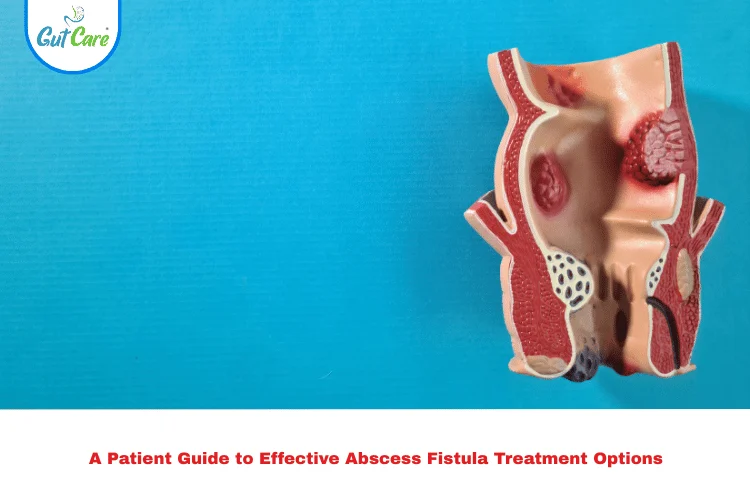
Digestive comfort plays a key role in everyday wellbeing, yet many adults ignore early changes that deserve attention. Understanding anal abscess symptoms early helps reduce discomfort and supports timely care before daily life is affected. These symptoms often begin quietly and progress gradually, making awareness essential. When changes persist or worsen, guidance from an experienced specialist can help restore comfort and confidence while supporting long-term digestive balance.
“ Don’t wait on discomfort—get clarity, get comfort, get expert care today.”
Understanding Anal Abscess and Why It Develops in Adults
An anal abscess forms when a small internal area becomes irritated and fills with fluid. In adults, this may develop due to blocked glands, prolonged sitting, digestive strain, or lowered resistance to healing. Early awareness of anal abscess symptoms allows individuals to respond before discomfort interferes with routine activities.
Early Anal Abscess Symptoms Adults Often Overlook
In many adults, anal abscess symptoms begin subtly and may be mistaken for temporary discomfort. Mild pressure, warmth, or tenderness near the anal area can develop gradually without causing immediate concern. Some people notice slight swelling or irritation that comes and goes. Because these early signs do not always disrupt daily routines, they are often ignored. Paying attention to these small changes helps identify potential issues early and supports quicker relief before discomfort becomes more noticeable.
Common Warning Signs That Indicate a Possible Anal Abscess
As the condition progresses, anal abscess symptoms tend to become more defined. Persistent throbbing discomfort, visible swelling, redness, or localized tenderness may appear. Sitting for long periods can feel uncomfortable, and movement may increase irritation. These warning signs suggest that the body is responding to an internal issue that requires attention. Recognizing these signals early allows adults to seek guidance before symptoms affect comfort and daily activities.
How Pain, Swelling, and Discomfort Progress Over Time
Without early care, anal abscess symptoms may intensify. Swelling can increase, sitting may become uncomfortable, and daily movement can feel restricted, affecting work and rest.
Changes in Skin Sensation and Localized Tenderness
Sensitivity to touch, warmth, or firmness near the affected area may occur. These anal abscess symptoms often signal that internal pressure is increasing and needs assessment.
General Body Responses Linked to Anal Abscess Symptoms
Some adults experience fatigue or general uneasiness as the body responds. These broader anal abscess symptoms reflect how digestive concerns can influence overall energy levels.
Why Early Detection Matters for Long-Term Digestive Comfort
Early detection of anal abscess symptoms plays a key role in maintaining digestive comfort and overall wellbeing. Addressing symptoms at an early stage can reduce ongoing irritation and support faster recovery. Timely evaluation also helps prevent recurring discomfort and minimizes disruption to daily life. When symptoms are recognized early, care options are simpler and more effective, helping adults return to normal routines with confidence.
When Persistent Symptoms Signal the Need for Specialist Care
If anal abscess symptoms continue despite basic care, consulting a colorectal surgeon becomes important. Professional evaluation ensures proper healing and personalized guidance.
Lifestyle Factors That Can Influence Symptom Development
- Long sitting hours can increase pressure and discomfort, making symptoms more noticeable
- Limited daily movement may reduce healthy circulation and delay natural recovery
- Poor hydration habits can affect overall digestive balance and body comfort
- Dietary imbalance may contribute to irritation and reduced digestive support
- Small, consistent lifestyle adjustments can help improve comfort and support recovery
Diagnostic Approaches Used for Early Identification
Gentle physical evaluation and a careful review of symptoms help specialists clearly understand what is causing the discomfort. During an early assessment, attention is given to visible changes, tenderness, and the pattern of symptoms over time. Identifying anal abscess symptoms at an early stage allows the care approach to stay simple, focused, and supportive of natural healing. At Gutcare Clinics in Bangalore, specialists follow a patient-friendly evaluation process that prioritizes comfort and clarity. Early diagnosis helps reduce prolonged discomfort, supports quicker recovery, and allows individuals to regain confidence in their daily routines.
Preventive Measures to Reduce Future Digestive Concerns
Balanced nutrition, regular movement, hydration, and timely medical guidance reduce the chance of recurring anal abscess symptoms and support digestive wellness.
Gutcare Clinics emphasizes early evaluation, gentle methods, and long-term digestive confidence while keeping care patient-friendly and practical.
Expert Care and Treatment Approach
At Gutcare Clinics, Bangalore, patients receive focused digestive care under Dr. Yuvrajsingh Gehlot, an experienced colorectal surgeon. Treatment may include comfort-focused therapies, lifestyle guidance, and supportive care plans designed around individual needs.
Final Thoughts
Recognizing symptoms at an early stage plays a vital role in maintaining comfort and overall wellbeing. Early attention helps reduce ongoing irritation, supports quicker recovery, and minimizes disruption to daily life. When warning signs are noticed and addressed promptly, individuals are more likely to experience smoother outcomes and improved confidence in their digestive health. Ignoring persistent discomfort can allow symptoms to progress, making recovery more challenging over time. If signs continue or begin to interfere with normal activities, seeking guidance from an experienced specialist ensures clarity and reassurance. Timely expert support not only improves comfort but also helps protect long-term digestive balance and quality of life.
Frequently Asked Questions
1. What are the earliest anal abscess symptoms adults notice?
Early signs may include mild pressure, warmth, or localized discomfort that slowly increases.
2. Can anal abscess symptoms improve without medical care?
Mild discomfort may settle temporarily, but persistent symptoms should be evaluated for proper care.
3. How long should I wait before seeking help for anal abscess symptoms?
If symptoms continue beyond a few days or worsen, professional guidance is recommended.
4. What does an anal abscess look like?
It often appears as a swollen, tender area near the skin that may look red or raised and feel warm to the touch.
5. How do I know if I have an abscess or a hemorrhoid?
Hemorrhoids usually cause mild swelling or itching, while an abscess often leads to constant discomfort and localized tenderness.