
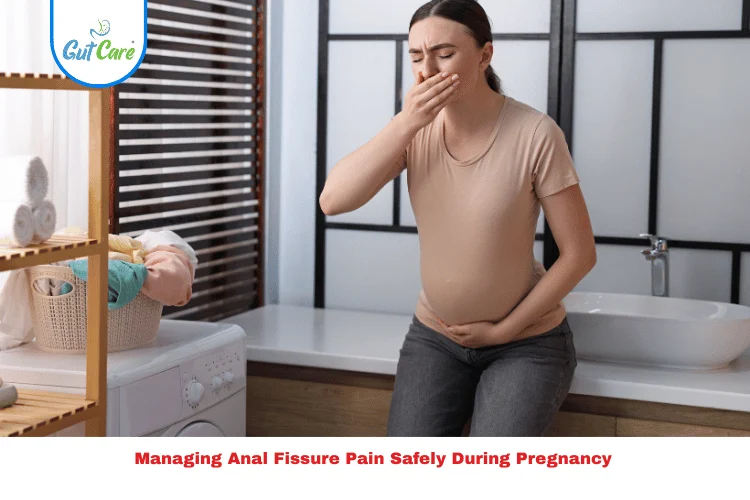
Pregnancy already brings many changes to the body, and developing Anal fissure during pregnancy can make daily activities uncomfortable. At Gutcare Clinics in Bangalore, specialists like Dr. Yuvrajsingh Gehlot, a trusted colorectal surgeon, help expecting mothers manage this condition safely. This guide explains symptoms, causes, safe treatments, home remedies, and when to seek expert care—all written in simple, clear language.
“Get safe, pregnancy-friendly fissure care. Book your consultation at Gutcare Clinics today”
Understanding Anal Fissures in Pregnancy
An anal fissure is a small tear in the skin near the anus. When it occurs as anal fissure during pregnancy, it is usually due to constipation, straining, or increased pressure on pelvic muscles. Gutcare Clinics frequently sees pregnant women with this issue, and early care helps prevent worsening discomfort.
Why Anal Fissures Are Common During Pregnancy
During pregnancy, hormonal changes slow digestion, causing constipation. Added pressure on the pelvic floor increases the chances of anal fissure during pregnancy. At Gutcare Clinics, specialists explain that staying hydrated, active, and eating fiber-rich foods reduces the risk significantly.
Symptoms Pregnant Women Should Not Ignore
Common discomforts that may point to an anal fissure during pregnancy include:
- Sharp pain during or after bowel movements
- Blood traces on tissue paper
- Itching or mild irritation
- Difficulty sitting comfortably
Gutcare Clinics advises pregnant women to seek help early if they notice these signs.
Is Anal Fissure Dangerous During Pregnancy?
While not usually harmful to the baby, an anal fissure during pregnancy can cause ongoing discomfort for the mother. Untreated fissures may become chronic, making healing slower. This is why Gutcare Clinics recommends timely evaluation and gentle treatment methods.
Safe Home Remedies to Reduce Anal Fissure Pain
Home remedies are often the first step in easing symptoms of anal fissure during pregnancy. Safe and effective options include:
- Drinking 8–10 glasses of water daily
- Including fruits like papaya, banana, pear
- Adding flaxseeds for natural fiber
- Using coconut oil or aloe vera gel around the affected area (externally)
Gutcare Clinics encourages these natural remedies before considering medical procedures.
How to Relieve Pain Through Sitz Baths and Warm Water Therapy
One of the most recommended treatments at Gutcare Clinics is sitz baths. This simple method can reduce discomfort from anal fissure during pregnancy.
How to do a sitz bath:
- Fill a tub with warm water
- Sit for 10–15 minutes
- Repeat 2–3 times daily
Warm water relaxes muscles, improves blood flow, and promotes healing.
Best Diet for Pregnant Women to Prevent and Heal Anal Fissures
A balanced diet plays an important role in reducing the strain that worsens an anal fissure during pregnancy. Doctors at Gutcare Clinics suggest:
- High-fiber foods: oats, whole grains, leafy greens
- Fruit with skin: apples, pears
- Soaked raisins and figs
- Sprouts and lentils
- Avoiding spicy and oily food
A gentle, fiber-rich diet keeps the stools soft and reduces pain.
Managing Stress and Anxiety Linked to Pain
Emotional stress often worsens the feeling of discomfort. Gutcare Clinics explains that deep breathing, light meditation, and rest help pregnant women cope better with symptoms of anal fissure during pregnancy.
Treatment Options During Pregnancy: What Is Safe and What Is Not
At Gutcare Clinics, Dr. Yuvrajsingh Gehlot follows a careful approach to treating fissures in expecting mothers:
Safe treatments:
- Fiber supplements
- Warm water therapy
- Doctor-approved ointments
- Gentle stool softeners
- Hydration and diet changes
Treatments usually avoided during pregnancy:
- Strong medications
- Procedures involving anesthesia unless absolutely necessary
The goal is to heal naturally whenever possible.
Safe Physical Activities and Movements for Comfort
Moderate physical activity helps prevent constipation and supports healing. Gutcare Clinics recommends:
- Light walking
- Prenatal yoga
- Gentle stretching
- Avoiding prolonged sitting
These movements help reduce the pressure that can trigger an anal fissure during pregnancy.
When to Visit Gutcare Clinics for Expert Help
If pain continues for more than a week, bleeding increases, or home remedies do not help, consulting Dr. Yuvrajsingh Gehlot at Gutcare Clinics is important. Early care prevents complications and ensures safe recovery.
Summary
Managing anal fissure during pregnancy safely requires simple lifestyle changes, a healthy diet, warm water therapy, and timely expert guidance. Gutcare Clinics in Bangalore provides supportive, pregnancy-safe treatment plans to help mothers feel comfortable again. If your symptoms persist, do not hesitate to get expert advice.
FAQs
1. What causes anal fissure during pregnancy?
Constipation, hormonal changes, and pressure on pelvic muscles commonly lead to anal fissure during pregnancy.
2. Can I treat anal fissure during pregnancy at home?
Yes, warm water therapy, fiber-rich foods, and hydration often help manage anal fissure during pregnancy safely.
3. When should I visit a doctor for an anal fissure during pregnancy?
If pain lasts more than a week or bleeding increases, get checked for anal fissure during pregnancy by a qualified specialist.
4. Is Gutcare Clinics good for treating anal fissure during pregnancy?
Yes, Gutcare Clinics in Bangalore offers gentle, pregnancy-safe care for women dealing with anal fissure during pregnancy.
5. Are sitz baths safe for anal fissure during pregnancy?
Yes, sitz baths are one of the safest home remedies to ease discomfort from anal fissure during pregnancy.