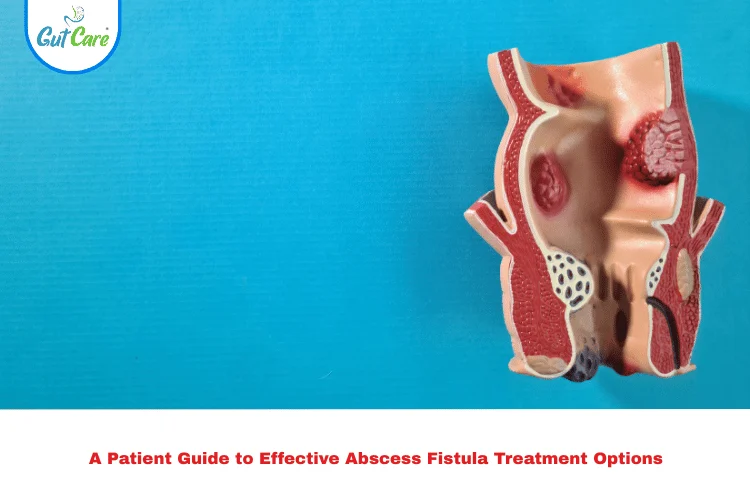
Anal Fistula Healing requires proper lifestyle habits, timely diagnosis, and expert-guided treatment. Small daily changes help reduce discomfort, prevent complications, and support smoother recovery. At Gutcare Clinics, Bangalore, Dr. Yuvrajsingh Gehlot, a skilled colorectal surgeon, guides patients with personalized care for effective healing.
” Start effective treatment today and prevent painful fistula complications from recurring. Start your journey today with expert care at Gutcare Clinics“
Understanding Anal Fistula Healing
Good hygiene, reduced pressure on the anal area, and healthy bowel habits are essential for healing. While lifestyle changes help manage symptoms, complete anal fistula healing often requires expert treatment. At Gutcare Clinics, each patient undergoes a detailed evaluation to determine the best support plan.
Early Signs Indicating a Fistula
- Discomfort after bowel movements
- Mild swelling or irritation near the anus
- Occasional discharge or wetness
- Recurrent minor infections
Early evaluation at Gutcare Clinics ensures timely diagnosis and prevents delays.
Effective Lifestyle Changes to Support Anal Fistula Healing
Supporting the healing of an anal fistula requires more than treatment alone your daily habits play a major role in preventing irritation, reducing infection, and helping the affected tissues recover. Making a few consistent lifestyle changes can significantly improve comfort and speed up healing.
1. Increase Fiber Intake
Eating fruits, vegetables, whole grains, and fiber supplements helps keep stools soft and regular. This reduces strain during bowel movements and prevents irritation of the fistula site.
2. Stay Hydrated
Drinking 7–8 glasses of water each day helps prevent constipation and supports smooth bowel movement, reducing pressure on the anal region.
3. Maintain Good Hygiene
Gently wash the area with warm water after bowel movements and keep it dry to lower the chance of bacterial buildup. Warm Sitz baths 2–3 times a day help reduce discomfort and swelling.
4. Avoid Straining or Long Sitting Hours
Straining during bowel movements and prolonged sitting increase pressure on the anal region. Take breaks, use soft cushions, and stay lightly active.
5. Follow Medical Advice Carefully
Complete all prescribed treatments, attend follow-ups, and report any increase in discomfort immediately. Early consultation helps prevent complications.
6. Wear Loose and Breathable Clothing
Comfortable cotton clothing reduces friction and moisture buildup, keeping the area clean and dry.
7. Maintain a Healthy Weight
Extra weight can increase pressure on the pelvic region. Healthy eating and regular activity help reduce discomfort and support healing.
Can Lifestyle Changes Prevent Future Problems?
Lifestyle modifications play a supportive role in the Anal Fistula Healing process and help reduce future discomfort or flare-ups. While these changes cannot close an existing fistula, they create a healthier digestive environment, reduce irritation, and lower the chances of recurring symptoms. At Gutcare Clinics, Bangalore, Dr. Yuvrajsingh Gehlot provides expert guidance to help patients maintain habits that support long-term comfort and better healing outcomes.
How Lifestyle Changes Reduce Future Discomfort
A high-fiber diet keeps bowel movements soft and regular, preventing unnecessary strain around the affected area. Staying hydrated helps digestion stay smooth, while avoiding overly spicy or oily foods reduces irritation. Good hygiene practices reduce the risk of bacterial buildup and further discomfort. Warm Sitz baths and gentle cleaning after bowel movements help maintain a clean healing environment.
Light physical activity, such as walking, improves blood flow and reduces pressure on the anal region. Stress management also plays a role since stress can affect digestion and bowel patterns, indirectly influencing Anal Fistula Healing.
Though lifestyle changes alone cannot resolve a fistula, they significantly support long-term comfort and reduce the risk of recurring symptoms. These measures work best when paired with expert guidance from Gutcare Clinics under Dr. Yuvrajsingh Gehlot.
Effective Treatment Options That Support Healing
Lifestyle changes help but cannot completely cure a fistula. At Gutcare Clinics, Dr. Yuvrajsingh Gehlot provides modern diagnostic and surgical options, including minimally invasive and laser-based procedures for predictable healing.
Common Treatment Options for Anal Fistula
1. Minimally Invasive Laser Treatment
Laser therapy gently seals the fistula tract from the inside using controlled energy, resulting in:
- Reduced tissue damage
- Minimal bleeding
- Faster healing
- Shorter recovery time
This advanced method offers a comfortable experience and quick return to routine activities.
2. Fistulotomy or Fistulectomy
For uncomplicated fistulas, the surgeon may open the tract to allow it to heal naturally from the inside out.
This technique remains one of the most effective solutions when performed with precision to preserve normal function.
3. Seton Placement (Drainage + Gradual Healing)
For deeper or complex fistulas, a soft thread called a seton may be placed temporarily to:
- Allow continuous drainage
- Prevent abscess formation
- Prepare the fistula for a definitive procedure
This approach protects the surrounding muscles while promoting controlled healing.
4. Supportive Non-Surgical Care
In select cases, conservative measures may be used to manage symptoms and reduce infection before surgery, including:
- Medications to control inflammation
- Warm Sitz baths to soothe discomfort
- Gentle hygiene to maintain cleanliness
These measures help improve comfort until a definitive procedure is performed.
When to Consult a Colorectal Surgeon
If symptoms persist, worsen, or return frequently, it is important to seek help from a specialist. Dr. Yuvrajsingh Gehlot at Gutcare Clinics evaluates each case carefully to determine the safest and most effective treatment plan for long-term Anal Fistula Healing.
Summary
Lifestyle changes diet, hydration, hygiene, and gentle activity support Anal Fistula Healing, but complete cure requires proper medical treatment. Gutcare Clinics in Bangalore, led by Dr. Yuvrajsingh Gehlot, offers individualized, reliable care for long-term healing.
FAQs
1. What lifestyle changes support Anal Fistula Healing?
Balanced diet, hydration, hygiene, and gentle activity help support Anal Fistula Healing and reduce discomfort.
2. Does Anal Fistula Healing require medical treatment?
Yes. Lifestyle changes only support comfort. Full Anal Fistula Healing typically needs proper medical evaluation and treatment.
3. What are early signs of Anal Fistula Healing issues?
Persistent discomfort, mild swelling, or repeated irritation may indicate the need for evaluation to support Anal Fistula Healing.
4. Can diet play a role in Anal Fistula Healing?
Yes. High-fiber foods help prevent constipation and support better Anal Fistula Healing.
5. How does Gutcare Clinics help with Anal Fistula Healing?
At Gutcare Clinics, Dr. Yuvrajsingh Gehlot provides expert diagnosis and treatment plans tailored to support safe and effective Anal Fistula Healing.