Anal fistula in adults is a condition that often begins quietly but can progress into a painful and persistent problem if ignored. Many people delay seeking medical help because early symptoms seem mild or confusing. Understanding the warning signs early allows timely treatment and helps prevent long-term complications. This guide explains the condition in simple terms so you can recognize symptoms, understand risks, and know when to seek expert care.
“ Don’t ignore persistent symptoms . Book a consultation and take control of your comfort today.”
Understanding Anal Fistula in Adults
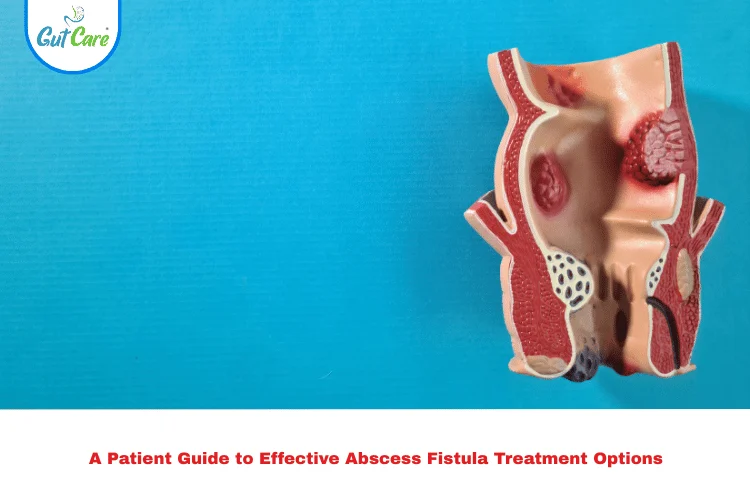
An anal fistula is an abnormal tunnel that forms between the inner anal canal and the surrounding skin. It usually develops after an infection that does not heal properly. Over time, this tunnel may cause recurring discomfort, discharge, or irritation.
Adults are more prone to this condition because infections, digestive issues, and delayed treatment are more common with age. Early understanding helps prevent long-term complications.
How Common Is Anal Fistula in Adults?
Anal fistula is seen more frequently in adults than in children. It often affects people between 30 and 60 years of age. Men tend to experience it more often, though women are also affected.
The condition becomes common when early symptoms are ignored or misidentified as minor issues.
Who Is Most at Risk of Developing Anal Fistula?
Some adults have a higher risk due to existing health or lifestyle factors.
Higher-risk groups include:
- Adults with a history of anal abscess
- People with chronic digestive issues
- Individuals with weak immunity
- Those who delay medical care
Major Risk Factors for Anal Fistula
Some of the most common risk factors include:
- Untreated or poorly healed anal abscess
- Long-term bowel issues
- Weak immune system
- Poor local hygiene
These factors increase the chance that an infection may progress into a fistula.
Can Lifestyle Habits Increase the Risk of Anal Fistula?
Yes. Lifestyle plays a major role in gut and anal health.
Habits that increase risk include:
- Low-fiber diet
- Poor hydration
- Sitting for long hours
- Ignoring bowel urges
- Poor hygiene after bowel movements
Healthy habits significantly reduce the chances of complications.
Early Symptoms of Anal Fistula in Adults
Recognizing early signs can prevent worsening of the condition.
Common early symptoms:
- Repeated irritation near the anal area
- Mild pain while sitting
- Discharge that stains undergarments
- Swelling that comes and goes
If symptoms last more than a few days or keep returning, medical attention is necessary. Ignoring anal fistula in adults can lead to repeated infections, increased pain, and complex fistula formation that is harder to treat.
How Is Anal Fistula Diagnosed in Adults?
Diagnosis usually involves:
- Physical examination
- Medical history review
- Imaging tests when needed
Accurate diagnosis helps decide the safest treatment approach.
Effective Prevention Tips for Anal Fistula in Adults
Prevention focuses on reducing infections and improving gut health.
Practical prevention tips:
- Maintain daily bowel regularity
- Eat fiber-rich foods
- Stay hydrated
- Avoid prolonged sitting
- Seek early care for anal infections
Treatment Options for Anal Fistula in Adults
Treatment depends on fistula type and complexity.
Options may include:
- Medications for infection control
- Minimally invasive procedures
- Advanced surgical techniques
The goal is complete healing with preserved function.
Early Signs You Should Not Ignore
- Persistent discomfort or irritation around the anal area
- Swelling or a small lump near the anus that does not go away
- Repeated pain during sitting or walking
- Ongoing moisture, discharge, or staining in undergarments
- Redness or tenderness around the anal opening
- Pain that returns even after temporary relief
- A feeling of pressure or fullness near the anal region
- Discomfort that worsens during bowel movements
If these signs continue for several days or keep recurring, they should not be ignored. Early medical evaluation at Gutcare Clinics helps prevent the condition from becoming more complex and difficult to treat.
Expert Care at Gutcare Clinics, Bangalore
After proper evaluation, patients benefit from structured care at Gutcare Clinics, a specialised digestive health centre located in Bangalore. The clinic focuses on patient-friendly treatment methods that aim for long-term relief rather than temporary fixes.
Under the guidance of Dr. Yuvrajsingh Gehlot, a highly experienced colorectal surgeon, patients receive clear diagnosis, personalised treatment planning, and modern care options. Gutcare Clinics emphasises minimally invasive techniques that reduce pain, hospital stay, and recovery time.
Final Thoughts
Anal fistula in adults is manageable with awareness, prevention, and timely medical care. Understanding risk factors, maintaining healthy habits, and seeking expert advice early can make a real difference. At Gutcare Clinics in Bangalore, patients receive structured evaluation and personalised treatment focused on long-term relief. If symptoms continue, professional assessment by an experienced specialist is the safest step forward.
Frequently Asked Questions (FAQs)
1. Is anal fistula in adults a serious condition?
Yes. If untreated, anal fistula in adults can lead to repeated infections and ongoing discomfort.
2. Can anal fistula heal without treatment?
In most cases, anal fistula in adults does not heal on its own and requires medical care.
3. How do I know if my symptoms are fistula or piles?
Persistent discharge and recurring pain are more common with anal fistula in adults than piles.
4. Is anal fistula common in adults with digestive problems?
Yes, adults with ongoing digestive issues have a higher risk due to repeated irritation and infections.
5. Can anal fistula heal without treatment in adults?
No, most cases require medical care to prevent recurrence or complications.