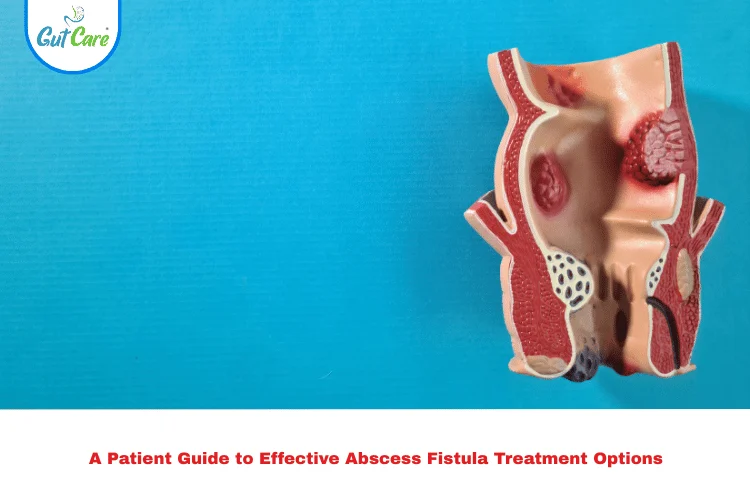
Many people experience discomfort near the anal area but struggle to understand what is happening. The terms anal fistula vs anal abscess are often used together, yet they describe different medical conditions.
Anal discomfort often leads to confusion between two commonly discussed conditions anal fistula and anal abscess. While both are related to infection in the anal region, they differ in how they develop, present symptoms, and require treatment. An anal abscess is usually the starting point, caused by a blocked gland that leads to localized swelling and pain. An anal fistula, on the other hand, may form later as an abnormal tunnel connecting the infected area to the skin. Understanding the difference between anal fistula vs anal abscess helps patients recognize symptoms early and seek appropriate medical care without delay.
“ Don’t ignore ongoing pain or swelling— Pain doesn’t wait. Get clarity Get expert guidance today.”
Understanding Anal Fistula and Anal Abscess
To clearly understand anal fistula vs anal abscess, it’s essential to know how each develops and behaves. An anal abscess forms suddenly due to infection, causing intense pain and swelling, while an anal fistula develops gradually as a chronic tunnel after incomplete healing, often leading to recurring discomfort or discharge.
Difference Between Anal Fistula vs Anal Abscess: A Medical Guide
Anal fistula vs anal abscess are closely related conditions, but they are not the same. Many patients confuse the two because they often occur in the same area and share similar early symptoms. Understanding the difference helps in timely treatment and better recovery.
What Is an Anal Abscess?
An anal abscess is an acute infection that develops when a small gland near the anus becomes blocked and infected. This leads to a collection of pus, causing sudden pain, swelling, redness, and discomfort. The pain is usually intense and may worsen while sitting or during bowel movements. An anal abscess is considered a short-term condition and often requires prompt medical drainage to prevent complications.
Common Causes of Anal Abscess
- Blocked anal glands
- Poor local hygiene
- Digestive disorders
- Reduced immunity
- Previous infections
What Is an Anal Fistula?
An anal fistula is a chronic condition that may develop after an abscess does not heal properly. It forms an abnormal tunnel between the anal canal and the skin around the anus. Symptoms are usually less intense than an abscess but tend to be long-lasting or recurring. Patients may notice repeated discharge, irritation, or discomfort over time.
Risk Factors for Anal Fistula and Abscess
- Repeated infections
- Delayed treatment
- Digestive health issues
- Prior anal abscess
- Inflammatory bowel conditions
Key Differences Between Anal Fistula vs Anal Abscess
The main difference lies in how they develop and behave. An abscess appears suddenly and is primarily an infection, while a fistula develops gradually as a result of incomplete healing. Abscess pain is sharp and severe, whereas fistula-related discomfort is often mild to moderate but persistent.
Anal Abscess Symptoms: Early Warning Signs
Recognizing symptoms early can prevent complications. Abscess symptoms usually appear quickly and may include:
- Local swelling
- Redness around the anal area
- Pain while sitting or moving
- Mild fever
- Tenderness
Anal Fistula Symptoms: Chronic Indicators
In contrast, fistula symptoms develop slowly and may persist for months:
- Recurrent discharge
- Skin irritation
- Intermittent discomfort
- Non-healing opening near the anal area
Understanding anal fistula vs anal abscess symptoms helps identify whether the issue is sudden or long-standing.
Anal Fistula vs Anal Abscess: Symptom Comparison Table
| Feature | Anal Abscess | Anal Fistula |
| Onset | Sudden | Gradual |
| Nature | Infection | Abnormal passage |
| Pain Level | Acute and intense | Mild to moderate |
| Duration | Short-term | Long-term or recurring |
| Swelling | Common | May be present |
| Discharge | Pus-filled | Intermittent drainage |
| Healing | Resolves with treatment | Often requires further care |
An anal abscess usually develops suddenly due to an infection, causing sharp and intense pain. It is typically a short-term condition that requires prompt treatment. An anal fistula, in contrast, develops gradually after an abscess heals improperly. It forms an abnormal passage and often causes mild to moderate, long-lasting discomfort that may recur over time.
Why Proper Diagnosis Matters
Treating an abscess early at Gutcare Clinics can help prevent fistula formation. If symptoms keep returning after treatment, further evaluation is necessary to rule out a fistula, ensuring the underlying problem is properly addressed rather than just providing temporary relief.
Treatment Options
Treatment depends on the condition type and severity.
Anal Abscess Treatment
- Drainage procedure
- Short-term medications
- Local care and hygiene
Anal Fistula Treatment
- Surgical correction
- Targeted therapy
- Long-term monitoring
An experienced colorectal surgeon such as Dr. Yuvrajsingh Gehlot, a well-known colorectal surgeon, emphasizes individualized treatment rather than one-size-fits-all solutions.
When to Seek Medical Advice
If you experience sudden anal pain, swelling, or ongoing discharge, it is important to consult a medical professional. Early assessment helps avoid repeated infections and prolonged discomfort.
Recovery & Prognosis
Recovery from an abscess is usually quick when treated early. Fistula recovery may take longer and requires follow-up care. Understanding anal fistula vs anal abscess recovery timelines helps patients set realistic expectations.
Prevention & Care
Preventive steps include:
- Maintaining hygiene
- Avoiding delayed treatment
- Managing digestive health
- Regular medical checkups
Specialized Care at Gutcare Clinics
After accurate diagnosis, specialized care becomes essential. Gutcare Clinics (located in Bangalore) focuses on structured evaluation, advanced diagnostics, and patient-centered treatment plans. Under the guidance of Dr. Yuvrajsingh Gehlot, patients receive clear explanations, ethical care, and long-term follow-up. Gutcare Clinics emphasizes early detection to prevent progression from abscess to fistula, improving overall outcomes.
Conclusion
Although anal fistula vs anal abscess are connected, they require different treatment approaches. Knowing the difference empowers patients to seek timely care, reduce complications, and improve long-term comfort. If symptoms persist or recur, professional evaluation is always the safest next step.
FAQs
1. How do I know if it’s an abscess or fistula?
An abscess usually appears suddenly with sharp pain, swelling, and pus, while a fistula develops gradually as a tunnel with recurring discharge and mild discomfort.
2. What is the main difference between anal fistula vs anal abscess?
An abscess is a sudden infection, while a fistula is a long-term passage that may develop later.
3. How do I know if my perianal abscess turned into a fistula?
If pain subsides but persistent discharge, irritation, or recurring swelling continues, it may indicate the abscess has formed a fistula.
4. How to avoid abscess to become a fistula?
Early drainage of abscesses, proper hygiene, and timely follow-up with a colorectal specialist can help prevent fistula formation.
5. Can an anal abscess turn into a fistula?
Yes, untreated abscesses can lead to fistula formation.