Appendix Surgery in Bangalore is one of the most commonly searched treatments when people experience sudden abdominal pain or symptoms of appendicitis. If you’ve ever had sharp pain on the right side of your abdomen, you may have wondered whether surgery is necessary and which method is better. Many patients today are confused between open surgery and laparoscopic options, especially when considering recovery time and comfort.
Understanding your options clearly can make a big difference in how confident and prepared you feel. This guide will help you compare both methods in a simple, patient-friendly way so you can make the right decision for your health.
Medically Reviewed by: Dr. Yuvraj Singh Gehlot, (Laparoscopic Surgeon, General Surgeon, Proctologist)
For Appointments 📞 Call: 8431 550 550 | 🌐Book Appointment Online at Gutcare Clinics
What Is Appendicitis and When Is Surgery Needed?
The appendix is a small, finger-shaped pouch attached to the large intestine on the lower right side of your abdomen. While its exact role in the body is still studied, one thing is clear when it gets inflamed, it causes significant discomfort and needs medical attention quickly.
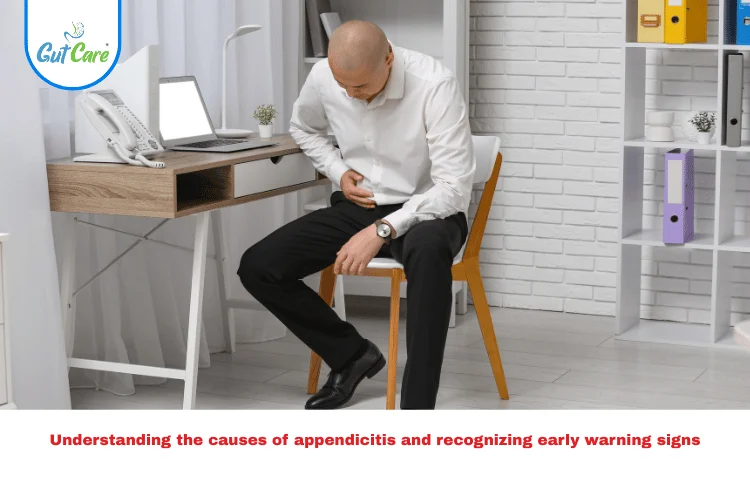
Appendicitis is the inflammation of the appendix, often caused by a blockage that leads to infection. Common symptoms include pain around the navel that shifts to the lower right abdomen, nausea, vomiting, low-grade fever, and loss of appetite. In many cases, appendix surgery in Bangalore is recommended to manage the condition effectively. If left untreated, the appendix can rupture, which is a serious medical emergency.
Surgery is typically recommended once your doctor confirms the diagnosis through physical examination, blood tests, and imaging like an ultrasound or CT scan. In many cases, appendix surgery in Bangalore is performed to remove the appendix entirely – a procedure known as an appendectomy.
If you are a parent concerned about your child, it helps to understand the warning signs of appendix pain in children so you can act quickly when it matters most.
Types of Appendix Surgery in Bangalore
When you come in for appendix surgery in Bangalore, your surgeon will typically recommend one of two approaches based on your condition, overall health, and the urgency of the situation. When it comes to appendix surgery in Bangalore, there are two main types:
1. Open Appendectomy
An open appendectomy is the traditional method of appendix removal surgery. The surgeon makes a single incision of about 5–10 cm in the lower right abdomen to access and remove the appendix directly.
This approach is generally recommended when the appendix has ruptured or when there is significant infection or abscess in the abdominal area. It gives the surgeon a clear, direct view and is sometimes the safer choice in complex situations, especially during appendix surgery in Bangalore.
Recovery after an open appendectomy is slightly longer, and the scar is more visible. Most patients spend 2–3 days in the hospital and may need 4–6 weeks to return to full activity.
2. Laparoscopic Appendectomy in Bangalore
A laparoscopic appendectomy in Bangalore is the preferred, minimally invasive approach for most straightforward appendicitis cases. Instead of a large cut, the surgeon makes 2–3 tiny incisions in the abdomen and uses a laparoscope – a thin tube with a camera – to guide the procedure, which is a common method used in appendix surgery in Bangalore.
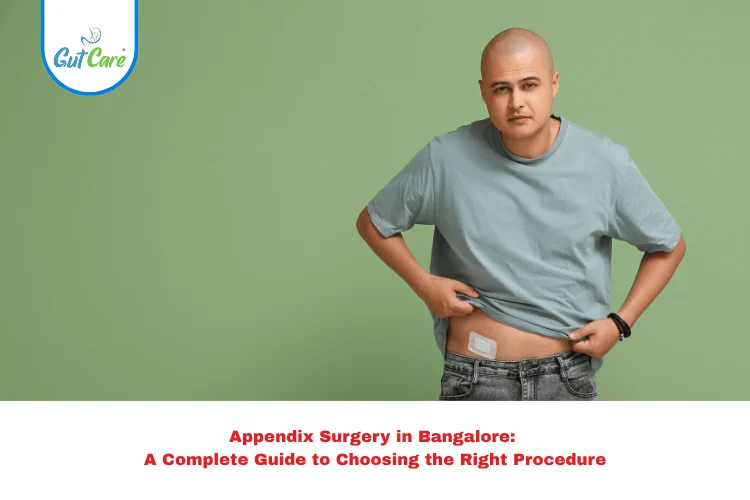
This minimally invasive appendix surgery technique offers several advantages. The incisions are small, so scarring is minimal. Blood loss during the procedure is significantly reduced. Hospital stays are shorter – often just 1 night. Most patients return to desk work within a week and resume full activities in 2–3 weeks.
This approach is especially well-suited for working professionals and individuals who want a faster return to their daily lives. You can also explore non-surgical appendicitis treatment options for early-stage cases.
Difference Between Open and Laparoscopic Appendectomy
Understanding the difference between open and laparoscopic appendectomy helps you choose the right approach:
- Incision Size: Open surgery involves a larger cut, while laparoscopic uses small keyhole incisions
- Recovery Time: Laparoscopic has shorter appendix surgery recovery time
- Pain Levels: Minimally invasive appendix surgery usually results in less pain
- Hospital Stay: Shorter stay in laparoscopic procedures
- Complications: Lower risk in most laparoscopic cases
At Gutcare Clinics, experienced specialists including a laparoscopic surgeon Bangalore team carefully evaluate your condition before recommending the best option.
How Appendix Surgery Is Done – Steps in an Appendectomy
Understanding the steps involved in appendix removal surgery can ease anxiety and help you prepare better.
The steps in appendectomy surgery vary slightly depending on the method, but generally include:
- Diagnosis through clinical evaluation and imaging
- Administration of anesthesia
- Removal of the inflamed appendix
- Closing the incision
At Gutcare Clinics, all procedures are performed in a fully equipped,state-of-the-art laparoscopic operation theatre designed to ensure your safety, comfort, and the best possible outcomes.
A Common Situation Our Patients Face
Ravi, a 32-year-old software engineer from Koramangala, came to us late one evening with severe abdominal pain that had been building for several hours. He was concerned about taking too much time off work. After a quick diagnosis confirmed appendicitis, his appendix surgery in Bangalore through laparoscopic appendectomy was completed within the hour. He was discharged the next morning and returned to working from home within five days. His experience is not unusual – many of our patients at Gutcare Clinics are back on their feet far sooner than they expect.
Appendix Surgery Cost in Bangalore
One of the most common questions we receive about appendix surgery in Bangalore is regarding the appendix removal surgery cost in Bangalore. The cost can vary depending on the type of surgery (open or laparoscopic), the hospital facilities, anaesthesia charges, and your length of stay.
Generally, laparoscopic appendectomy in Bangalore may cost slightly more than an open procedure due to the advanced equipment involved, but when considering appendix surgery in Bangalore, the shorter hospital stay and faster recovery often offset this difference. Many patients with health insurance find their coverage includes appendectomy procedures.
For a transparent discussion of costs tailored to your specific situation, we encourage you to speak directly with our team at Gutcare Clinics.
Appendix Surgery in Bangalore – Recovery and What to Expect
Appendix surgery recovery time depends on the method used. Laparoscopic patients typically experience less pain, shorter hospital stays, and a much quicker return to normal activities. Open surgery patients may need a few additional weeks before they feel fully comfortable.
During recovery, it is important to avoid strenuous activity, follow your surgeon’s wound care advice, and attend all follow-up appointments. Diet also plays an important role.
For detailed guidance, read our complete guide on appendix surgery recovery tips – dos and don’ts.
Why Choose Gutcare Clinics for Appendix Surgery in Bangalore?
At Gutcare Clinics, we combine clinical expertise with a patient-first approach. Our team includes experienced colorectal and laparoscopic surgeons who are dedicated to guiding you through every step of your treatment with transparency and care.
We perform appendix surgery in Bangalore using the latest minimally invasive techniques, ensuring that your recovery is as smooth and comfortable as possible. Whether your case calls for a laparoscopic appendectomy or an open procedure, our surgeons will make a recommendation based entirely on your clinical needs – not convenience.
You can find us on Google Maps here: Gutcare Clinics – Directions.
Conclusion – Get the Right Guidance for Appendix Surgery in Bangalore
Deciding between open and laparoscopic appendix surgery in Bangalore does not have to be overwhelming. With the right medical guidance, the process is safe, straightforward, and recovery is faster than most people expect. Whether you are dealing with a sudden appendicitis attack or planning ahead after a recent diagnosis, the team at Gutcare Clinics is here to help you every step of the way.
Our qualified colorectal and laparoscopic surgeons in Bangalore bring years of clinical experience to every case. We believe that good outcomes start with well-informed patients, and we are committed to making sure you understand your options before any procedure begins.
If you or a loved one is experiencing abdominal pain or has been diagnosed with appendicitis, do not wait. Reach out to Dr. Yuvraj Singh Gehlot and the team at Gutcare Clinics today.
“Consult a specialist today for safe appendix surgery in Bangalore.”
Frequently Asked Questions
1. What is the difference between open and laparoscopic appendectomy?
An open appendectomy involves a single large incision, while a laparoscopic appendectomy uses 2–3 small cuts and a camera. Laparoscopic surgery offers faster recovery and less scarring for most patients.
2. How long does appendix surgery recovery time take?
With laparoscopic appendix surgery, most patients return to light activity within 1–2 weeks. Open surgery patients may need 4–6 weeks for a full recovery depending on their overall health.
3. What should I eat after appendix surgery?
Start with clear liquids and soft foods, then gradually reintroduce regular meals. A light diet after appendix surgery – low in fat and easy to digest – is recommended for the first week or two.
4. What are the signs of complications after appendix removal?
Watch for fever, increasing pain, swelling, redness, or unusual discharge around the incision site. If you notice any of these, contact your surgeon promptly for evaluation.
5. Is appendix surgery safe?
Yes, appendix surgery in Bangalore is a well-established, safe procedure when performed by a qualified laparoscopic surgeon. Serious complications are uncommon, and most patients recover fully with no long-term effects.