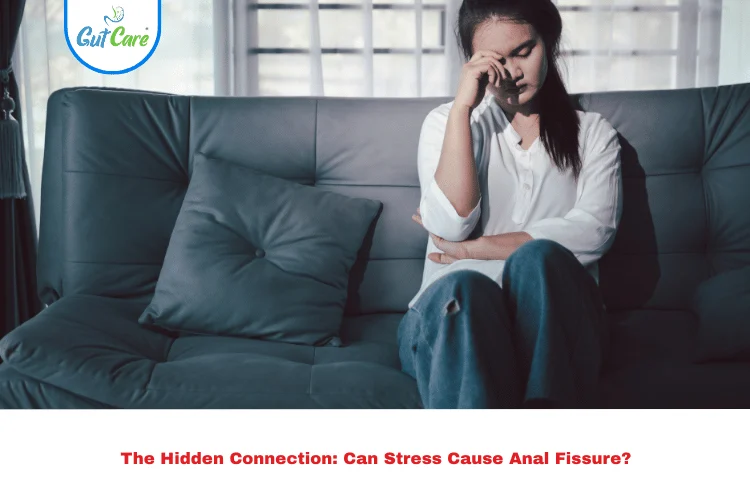
Many people experiencing bowel discomfort often ask, can stress cause anal fissure and why symptoms seem worse during emotionally demanding periods. The short answer is yes stress plays a meaningful role in digestive health. When the gut and mind are out of balance, bowel movements change, muscle tension increases, and healing slows down. Understanding can stress cause anal fissure helps adults take early action before discomfort becomes long-term.
” Pain returning during stressful days? Don’t guess—get clarity and real relief today.“
How Stress Affects Digestive Health
Stress does not remain limited to the mind—] it directly influences digestion. During stressful situations, the body enters a “fight or flight” response. Blood flow shifts away from digestion, bowel movements slow, and stools may become harder.
Over time, this leads to increased strain during bowel movements. This is one of the main reasons people question whether stress can cause anal fissure, particularly when symptoms appear during work pressure or emotional strain.
What Are Anal Fissures?
Anal fissures are small tears in the lining of the anal canal. They usually develop due to hard stools or repeated straining during bowel movements. Discomfort during or after bowel movements is commonly associated with these tears.
When addressed early, fissures often heal. However, repeated strain or ongoing stress may prevent healing, leading to recurrence and prolonged discomfort.
The Gut–Mind Connection Explained
The digestive system and brain constantly communicate through nerves and hormones. This connection explains why emotional stress can influence bowel habits.
Prolonged stress can slow digestion, increase muscle tightness, and disrupt bowel coordination. These changes create conditions that may worsen discomfort or delay healing, explaining how stress indirectly contributes to fissure-related issues.
Can Stress Cause Anal Fissure?
So, can stress cause anal fissure directly? Stress alone may not tear tissue, but it strongly contributes to the conditions that cause fissures.
- Slower digestion
- Harder stools
- Increased muscle tension
- Reduced blood flow to healing areas
Together, these factors explain why stress can contribute to anal fissure development or recurrence in adults with sensitive digestion or irregular bowel habits.
How Stress Worsens Existing Anal Fissures
Stress can slow the healing process by increasing muscle tension and reducing circulation in the affected area. This is why many people notice flare-ups during stressful periods. Emotional strain can make discomfort feel more intense and recovery slower.
Managing Stress to Support Healing
Supporting healing involves more than symptom control. Managing stress helps reduce muscle tension and supports digestion. Helpful habits include:
- Regular meal timing
- Light physical activity
- Breathing and relaxation exercises
- Proper hydration
When symptoms persist, medical guidance is important. A colorectal surgeon like Dr. Yuvrajsingh Gehlot focuses on identifying both physical and lifestyle contributors to support long-term recovery.
After the initial phase of care, many patients benefit from structured treatment plans offered at Gutcare Clinics in Bangalore. Their approach combines digestive regulation, muscle relaxation strategies, and preventive guidance especially helpful when stress is a contributing factor.
The Gut–Mind Connection and Daily Comfort
The gut and brain communicate constantly through nerves and chemical signals, forming what is often called the gut–mind connection. When stress becomes ongoing, this communication may become disrupted, affecting digestion and overall comfort. Paying attention to relaxation, regular movement, balanced meals, and consistent routines can support this connection. By addressing both mental and physical well-being together, many people find it easier to maintain digestive comfort and improve their day-to-day quality of life.
Who Is More at Risk?
Certain people are more affected by stress-related digestive changes:
- Individuals with desk-based jobs
- People with irregular eating schedules
- Those with anxiety or high work pressure
Anxiety, work stress, and a sedentary lifestyle often overlap, increasing the risk and reinforcing concerns about can stress cause anal fissure over time.
Can Stress Cause Anal Fissure? Understanding the Gut–Mind Connection
The connection between the mind and the digestive system is stronger than most people realize. Emotional stress does not remain limited to thoughts or feelings alone. In many cases, it also shows up as physical changes within the body, especially in the digestive process.
Stress and Body Response Patterns
Stress can also influence how the body responds to daily needs. Ignoring natural hunger signals, rushing through routines, or spending long hours sitting may quietly place extra pressure on the digestive system. Over time, these habits can add to digestive imbalance.
Why Balance Between Mind and Body Matters
Because the gut and mind work closely together, maintaining balance is essential for digestive well-being. Many experts highlight the importance of managing both mental stress and physical habits to support long-term digestive comfort and overall health.
Treatment Options When Stress Plays a Role
Treatment depends on severity. Early care focuses on bowel regulation and muscle relaxation. In persistent cases, guided medical therapies may be needed to restore normal function.
Specialized centers such as Gutcare Clinics emphasize step-by-step care rather than quick fixes, ensuring both physical healing and lifestyle correction.
Prevention Tips Based on the Gut–Mind Connection
Preventing recurrence involves daily habits:
- Eat fiber-rich foods
- Drink enough water
- Avoid delaying bowel urges
- Manage stress proactively
Understanding can stress cause anal fissure helps people address the root cause rather than only the symptoms.
Key Takeaways
Stress has a significant impact on digestion and healing. While it may not act alone, it strongly contributes to symptom flare-ups and delayed recovery. Understanding can stress cause anal fissure helps adults act early and reduce discomfort. Professional guidance supports the balance between medical care and lifestyle improvement.
Frequently Asked Questions
1. Can stress cause anal fissure without constipation?
Stress usually affects bowel habits first, which then leads to strain.
2. Can stress cause anal fissure to keep coming back?
Yes, unmanaged stress can delay healing and increase recurrence.
3. Does anxiety increase anal fissure pain?
Anxiety heightens pain sensitivity and muscle tension.
4. How long does stress-related fissure discomfort last?
It varies, but symptoms improve once digestion and stress are managed.
5. Can stress cause anal fissure, and where can I get help in Bangalore?
Yes, stress can contribute. Gutcare Clinics offers focused care for stress-linked digestive issues.