Digestive wellness plays an important role in overall comfort, energy, and daily quality of life. When the digestive system is not functioning smoothly, even small changes can cause ongoing discomfort and concern. Adults often overlook early warning signs, assuming they will resolve on their own. However, recurring irritation, unusual changes, or persistent discomfort may signal an underlying issue, such as chronic anal fistula, that needs attention. Recognizing these signs early allows timely care and helps prevent long-term complications. Paying attention to your body and seeking guidance when symptoms continue supports better digestive balance and long-term wellbeing.
“ Don’t delay care—Gutcare Clinics supports healing through trusted medical expertise. Consult a specialist. “
What Is a Chronic Anal Fistula? Understanding Persistent Fistula Conditions
A chronic anal fistula is a long-standing condition where an abnormal passage near the anal region does not heal completely and continues to cause recurring symptoms. Unlike short-term issues, chronic cases persist over time and often require medical evaluation.
Conditions Linked to Chronic Anal Fistula
- Unhealed infection: When an earlier infection does not resolve fully, it can leave a persistent pathway.
- Repeated flare-ups: Symptoms improve temporarily but return again and again.
- Ongoing drainage: Continuous or frequent discharge from the same area.
- Scar tissue formation: Repeated irritation can prevent natural healing.
- Delayed treatment: Ignoring early signs allows the condition to become long-term.
- Digestive health issues: Ongoing bowel irregularities may worsen persistence.
- Reduced tissue healing: Poor healing response can prolong recovery.
- Previous procedures: Earlier treatments that did not fully close the tract.
Why Chronic Conditions Need Attention
Chronic anal fistula conditions rarely improve without proper care. Persistent irritation can affect comfort, daily activities, and overall wellbeing. Early evaluation helps identify the cause and guide appropriate treatment before the condition becomes more complex.
How a Fistula Becomes Chronic
A fistula becomes chronic when it does not heal fully and continues to cause recurring symptoms over time. This often happens when an internal infection remains unresolved or when early signs are ignored. Repeated irritation, delayed care, or incomplete healing can prevent the area from closing naturally, leading to long-term discomfort and the need for medical evaluation.
How a Chronic Anal Fistula Develops Over Time
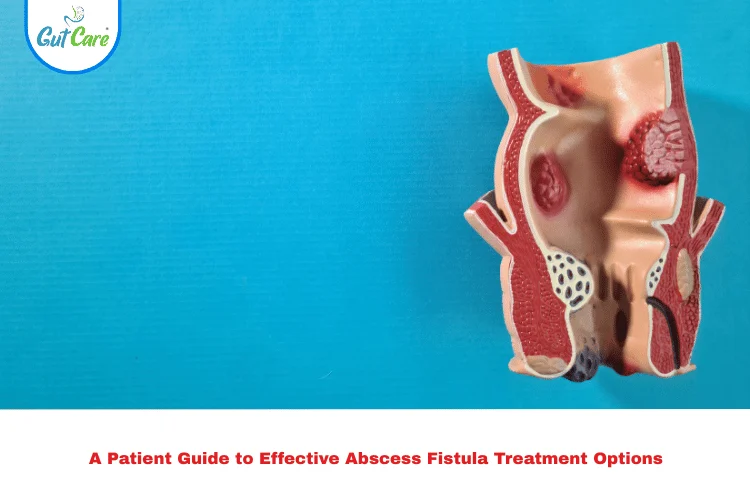
Most cases begin as an anal abscess. If the abscess drains but the internal opening remains, the tract stays open. Repeated infections prevent healing, eventually turning the problem into a chronic anal fistula that requires medical intervention.
Common Causes of Chronic Anal Fistula
- Untreated or recurring anal abscess
- Delayed medical care
- Incomplete healing after previous treatment
- Underlying bowel conditions
- Repeated infections in the anal region
Risk Factors That Lead to Persistent Fistula Conditions
- Poor bowel habits
- Chronic constipation or diarrhea
- Weakened immunity
- Delayed diagnosis
- Repeated infections
Chronic Anal Fistula Symptoms You Should Not Ignore
- Ongoing pain or discomfort
- Recurrent discharge or staining
- Swelling near the anal area
- Skin irritation
- Fever during flare-ups
Signs That an Anal Fistula Has Become Chronic
- Symptoms lasting several months
- Repeated flare-ups despite treatment
- Persistent drainage
- Scar tissue formation
Impact of Persistent Fistula Conditions on Daily Life
When fistula conditions persist, they can affect daily comfort, movement, and confidence. Ongoing irritation may interfere with work routines, sleep, and social activities. Addressing these concerns early with professional care helps restore comfort, supports healing, and improves overall quality of life.
Treatment Options for Chronic Anal Fistula
Treatment focuses on removing infection while preserving normal function. Options depend on the fistula’s complexity and patient health.
Medical vs Surgical Treatment for Persistent Anal Fistula
- Medical care helps control infection but rarely cures the condition
- Surgical treatment targets the root cause and offers long-term relief
Laser Treatment for Chronic Anal Fistula
Laser therapy is a minimally invasive option that seals the fistula tract with precision. It reduces pain, speeds recovery, and lowers recurrence risk when performed by experienced specialists.
Why Chronic Anal Fistula Often Recurs
Recurrence occurs due to incomplete closure, missed internal openings, or untreated infection. Proper planning and expert care significantly reduce recurrence chances.
How to Prevent Chronic Anal Fistula Recurrence
- Maintain good bowel habits
- Follow post-treatment instructions
- Attend follow-up visits
- Seek early care for symptoms
When to See a Doctor for Chronic Anal Fistula
If symptoms persist, worsen, or recur, timely medical consultation is essential. Early treatment improves outcomes and prevents long-term issues.
Expert Care in Bangalore
Gutcare Clinics in Bangalore focus on advanced, patient-centric care for complex colorectal conditions. Under the guidance of Dr. Yuvrajsingh Gehlot, an experienced colorectal surgeon, patients receive accurate diagnosis and modern treatment approaches tailored to long-term healing. Gutcare Clinics emphasizes minimally invasive solutions and structured follow-up care for better recovery outcomes.
Conclusion
Living with a persistent fistula condition can affect daily comfort if ignored. Understanding ongoing symptoms and seeking timely care helps prevent further complications. At Gutcare Clinics, patients receive careful evaluation, personalized guidance, and supportive treatment focused on long-term relief. Early professional attention supports better recovery, improved comfort, and lasting digestive wellness for adults seeking reliable medical care.
FAQs
1. Can a chronic anal fistula heal without surgery?
In most cases, long-standing fistulas require medical or surgical treatment to close the tract fully.
2. Why does a chronic anal fistula keep coming back?
Recurrence usually happens due to incomplete treatment or persistent infection.
3. Is laser treatment effective for chronic anal fistula?
Yes, laser treatment can be effective when performed by an experienced colorectal surgeon.
4. How long does recovery take after treatment?
Most patients recover within weeks, depending on the treatment method used.
5. Which clinic treats chronic anal fistula in Bangalore?
Gutcare Clinics in Bangalore provides specialized care under Dr. Yuvrajsingh Gehlot.