Colonoscopy procedure is one of the most recommended diagnostic tests in gastroenterology yet it is also one of the most misunderstood. If your doctor has suggested you get one, or if you have been putting it off because you are not sure what to expect, you are certainly not alone. Many people feel uncertain, or even a little anxious, simply because no one has walked them through the process clearly.
The truth is, a colonoscopy is a straightforward, well-established procedure that is performed routinely around the world. Understanding each stage from how to prepare, to what happens during the test, to how you recover makes a significant difference to how you feel going into it. This guide is designed to give you that clarity, in plain, straightforward language.
Whether you are based in Bangalore or anywhere else, this step-by-step explanation of the colonoscopy procedure will help you feel informed, prepared, and at ease before your appointment.
Medically Reviewed by: Dr. Yuvraj Singh Gehlot (Laparoscopic Surgeon, General Surgeon, Proctologist)
📞 Call: 8431 550 550 | 🌐 Book Appointment Online at Gutcare Clinics
What Is a Colonoscopy Procedure and Why Is It Recommended?
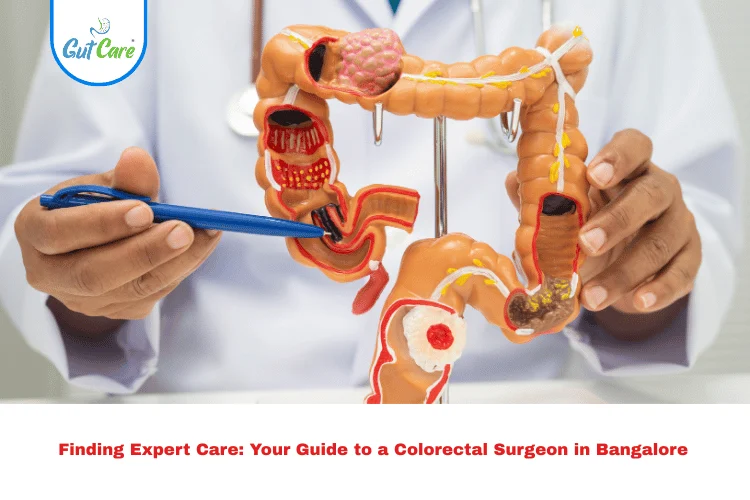
A colonoscopy procedure is a diagnostic examination of the large intestine the colon and rectum using a thin, flexible tube fitted with a small camera at its tip. This allows the doctor to view the inner lining of the bowel in real time on a monitor, looking for any areas of concern such as inflammation, polyps, or unusual tissue.
The colonoscopy procedure is recommended for a wide range of reasons, including investigation of rectal bleeding, persistent changes in bowel habits, unexplained abdominal discomfort, chronic constipation, or bloating that has not responded to other treatments. It is also the gold standard for colorectal cancer screening in adults over the age of 45 — or earlier for those with a family history of bowel conditions. To understand more about why the colonoscopy procedure is so useful, visit this resource on colonoscopy need and benefits.
Colonoscopy Preparation: How to Get Ready Before the Test
The most important part of getting a useful colonoscopy result is thorough preparation beforehand. The colon needs to be completely clear so that the camera can examine the lining without obstruction. While colonoscopy preparation requires a little planning, it is manageable when you know exactly what is involved.
The Colonoscopy Diet Before the Test
In the days leading up to your colonoscopy, your doctor will ask you to follow a specific colonoscopy diet before the test. Typically, this means eating low-fibre foods for two to three days beforehand — avoiding seeds, nuts, whole grains, and raw vegetables. You should also avoid foods that can leave residue or colour in the colon, such as red or purple-coloured foods and drinks.
The day before the colonoscopy, you will transition to a clear liquid diet before colonoscopy. This includes water, clear broth, plain coconut water, black tea or coffee without milk, and clear fruit juices without pulp. Solid food is not permitted during this phase, as it is essential that your bowel is completely empty.
Foods to Avoid Before Colonoscopy
To ensure the best possible visibility during the procedure, keep the following off your plate in the days before your appointment:
• Red, purple, or dark-coloured foods and drinks — including beetroot, grape juice, and artificially coloured beverages
• High-fibre foods such as whole grains, raw fruits with skin, raw vegetables, and legumes
• Seeds and nuts, which can cling to the colon lining
• Dairy products on the day before the procedure
• Any solid food from the evening before your colonoscopy onward
Bowel Preparation
Your doctor will prescribe a bowel preparation solution to be taken the evening before — and sometimes the morning of — your colonoscopy. This solution works by flushing the colon thoroughly. It is important to follow the timing and dosage instructions precisely. While the process is not particularly comfortable, it is temporary and essential for a safe, accurate procedure.
Why First-Time Patients Feel Nervous
It’s completely natural to feel anxious before your first colonoscopy procedure. Most patients worry about:
- Discomfort during the test
- Preparation process
- Results and diagnosis
The truth is, modern techniques have made the colonoscopy procedure much more comfortable than people expect. Knowing the colonoscopy procedure steps in advance can significantly reduce stress.
Colonoscopy Procedure Steps: What Happens on the Day
Understanding the colonoscopy procedure steps helps remove the uncertainty that makes people anxious. Here is a clear, stage-by-stage account of what actually happens from the moment you arrive at the clinic to when you leave.
Step 1 — Arrival and Pre-Procedure Assessment
When you arrive, the nursing team will check your vitals and confirm your medical history, current medications, and any allergies. You will be asked to change into a hospital gown. An intravenous line is placed in your arm so that sedation medication can be administered when needed.
Step 2 — Sedation
Most patients receive a mild sedative or conscious sedation before the colonoscopy procedure begins. This does not put you to sleep completely — it simply relaxes you and ensures you are comfortable throughout. Many patients report feeling very calm and drowsy, and some have little or no memory of the procedure at all.
Step 3 — The Examination
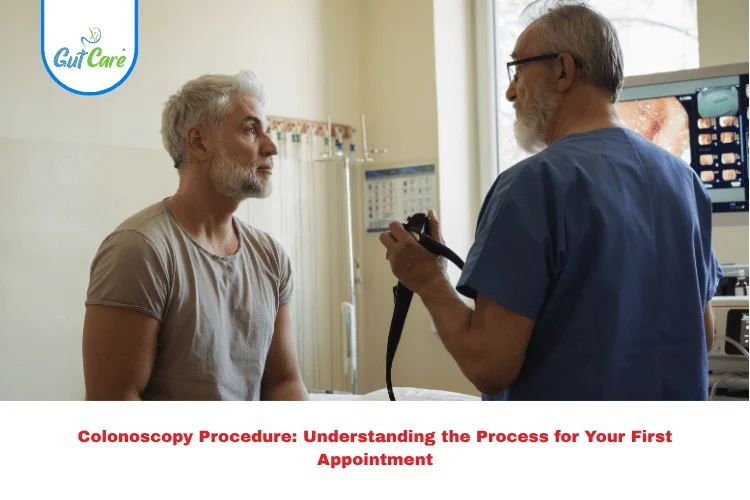
Once you are comfortable, the doctor gently guides the colonoscope — the flexible camera tube — through the colon. A small amount of air or carbon dioxide is introduced to gently inflate the colon, which improves visibility. The doctor examines the full length of the colon, carefully checking the lining for any changes, polyps, or areas of inflammation.
Step 4 — Treatment During the Procedure (If Required)
One of the key advantages of the colonoscopy procedure is that it is both diagnostic and therapeutic. If small polyps are found, they can often be removed during the same procedure using specialised tools passed through the colonoscope. Tissue samples (biopsies) can also be taken from any areas that need closer examination in the laboratory.
Step 5 — Completion and Recovery Room
The colonoscopy procedure itself typically takes between 20 and 45 minutes, though this can vary. Once complete, you are moved to a comfortable recovery area where you rest until the sedation wears off. The team monitors you throughout. Most patients feel fully awake within an hour.
Is Colonoscopy Painful? What Patients Actually Experience
This is one of the most common concerns people have — and the honest answer is that for most patients, a colonoscopy is not painful. The sedation used during the procedure ensures you remain relaxed and comfortable. Some people feel mild cramping or a sensation of pressure, particularly when the scope turns corners of the colon, but this is brief and well-tolerated.
After the procedure, you may notice some bloating or mild wind as the gas used during the examination passes through. This usually resolves within a few hours and is completely normal. The vast majority of patients are pleasantly surprised by how straightforward the experience is compared to what they had imagined.
Colonoscopy Risks and Benefits
Like any medical test, a colonoscopy procedure has both benefits and minimal risks.
Benefits:
- Early detection of colon issues
- Prevention through removal of small growths
- Accurate diagnosis
Risks:
- Mild discomfort
- Rare complications
Overall, the benefits far outweigh the risks, especially for early detection. For a comparison of how the colonoscopy procedure differs from other diagnostic tools, this resource on colonoscopy vs endoscopy for digestive health is a helpful reference.
Colonoscopy Recovery Time and What to Expect Afterwards
Most patients are pleasantly surprised by how smooth the colonoscopy recovery time is. Here is what to expect in the hours and days following your procedure:
• You will need someone to drive you home, as the sedation affects your coordination and reaction time for several hours
• Rest for the remainder of the day — avoid strenuous activity, driving, or making important decisions
• Mild bloating and wind are normal and typically pass within a few hours
• You can usually resume eating normally once you feel comfortable and starting with light, easy-to-digest foods.
What to Eat After Colonoscopy
On the day of your procedure, start with soft, gentle foods , plain rice, curd, soup, boiled vegetables, or toast. Avoid spicy, fried, or heavily seasoned meals for the first 24 hours. Most patients return to their regular diet by the following day. Staying well-hydrated is particularly important during this period.
If your doctor found and removed polyps, or took biopsies, you may receive specific dietary or activity instructions for the days that follow. For more on what the colonoscopy procedure involves and what to expect at an advanced centre, visit Gutcare’s advanced colonoscopy services.
Where to Get a Colonoscopy in Bangalore
If you have been advised to have a colonoscopy, or if you have been experiencing digestive symptoms that you feel should be properly investigated, Gutcare Clinics in Bangalore offers a trusted, patient-friendly environment for the procedure. The clinic is known for combining clinical expertise with a calm, reassuring approach that helps patients feel at ease from the moment they arrive.
Gutcare Clinics is led by Dr. Yuvraj Singh Gehlot, widely regarded as one of the best proctologists in Bangalore, with extensive experience in laparoscopic surgery, general surgery, and proctology. Patients consistently note the clarity of his explanations and his ability to make even unfamiliar procedures feel approachable. If you are looking for reliable colonoscopy in Bangalore from a specialist who takes the time to understand your individual situation, Dr. Gehlot and the Gutcare team are an excellent choice.
Conclusion
A colonoscopy procedure is one of the most valuable tools available for understanding and protecting your digestive health. Whether it has been recommended as a screening measure, to investigate ongoing symptoms, or to follow up on a previous finding, understanding what the process involves is the best way to approach it with confidence.
From colonoscopy preparation and the colonoscopy diet before the test, to the colonoscopy procedure steps on the day and what to expect during colonoscopy recovery time, every stage of this process is well-managed, evidence-based, and designed with your comfort in mind. The colonoscopy procedure saves lives by detecting problems early and at Gutcare Clinics in Bangalore, you will be in experienced, compassionate hands every step of the way.
Book Your Colonoscopy at Gutcare Clinics, Bangalore
Do not delay a procedure that could make a meaningful difference to your health. Visit Gutcare Clinics, Bangalore and speak with a specialist who will guide you through every step of the colonoscopy procedure clearly, safely, and with care.
“ Book your colonoscopy procedure today for safe, expert digestive care.”
Frequently Asked Questions
1. How long does the colonoscopy procedure take from start to finish?
The procedure itself typically takes between 20 and 45 minutes. Including preparation, sedation, and recovery time at the clinic, most patients are ready to leave within two to three hours of arrival.
2. Can I eat normally the day before my colonoscopy?
No. You will be asked to follow a low-fibre diet for one to two days before, then switch to a clear liquid diet the day before the procedure. Your doctor or the clinic team will provide a detailed colonoscopy prep instructions sheet tailored to your situation.
3. Will I be awake during the colonoscopy?
Most patients receive conscious sedation, which means they are relaxed and comfortable but not fully unconscious. You may be aware of what is happening but will feel very calm. Many patients remember very little of the procedure afterward.
4. How soon will I get the results of my colonoscopy?
Your doctor will discuss initial findings with you immediately after the procedure. If biopsy samples were taken, laboratory results typically take three to seven days to come back, after which your doctor will follow up to discuss the findings and any next steps.
5. How often should I have a colonoscopy?
For routine screening in adults with no specific risk factors, a colonoscopy is typically recommended every ten years from age 45. If polyps were found or you have a family history of colorectal disease, your doctor may recommend a shorter interval between procedures.