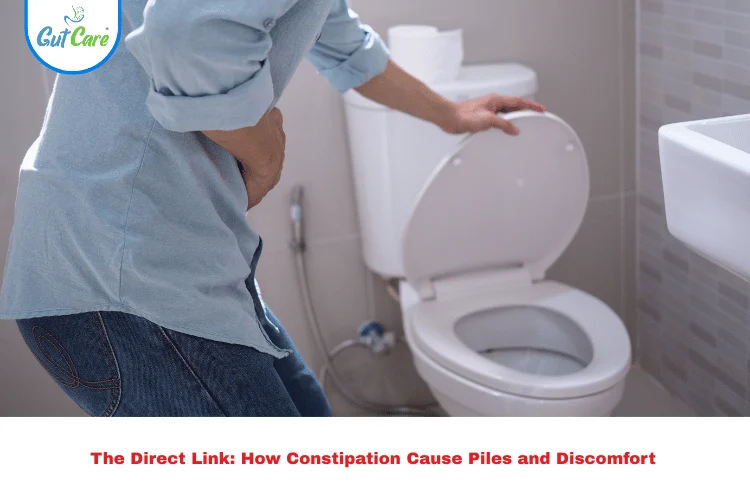
Many people suffer silently from bowel problems and later experience pain in the anal region without understanding the real cause. A common question doctors ask is whether constipation causes piles and how strong this connection really is. Medical research clearly shows that repeated bowel pressure is one of the main causes of piles. Constipation cause piles gradually, which is why early symptoms are often ignored. Understanding this connection helps prevent pain, bleeding, and long-term complications.
“ Don’t ignore bowel warning signs.Fix constipation early. Protect your gut for life.
Book expert advice today.”
What Is Constipation?
Constipation is a condition in which bowel movements become infrequent, hard, and difficult to pass. Most people experience constipation at some point, but when it becomes persistent, it places excessive pressure on the rectum.
When stool remains in the colon for too long:
- Water gets absorbed, making stools hard
- Bowel movements require excessive straining
- Rectal veins are repeatedly pressured
This repeated strain is one of the leading contributors to piles caused by constipation, especially when the condition is neglected for years.
What Are Piles (Hemorrhoids)?
Piles, also known as hemorrhoids, are swollen veins in the anal and rectal region caused by increased pressure in that area.
Types of Piles
Internal Piles
- Located inside the rectum
- Usually painless
- May cause bleeding during bowel movements
External Piles
- Located outside the anal opening
- Painful, itchy, and uncomfortable
When constipation cause piles, these symptoms often appear slowly and worsen over time.
How Constipation Leads to Piles
The relationship between constipation and piles is medically proven. Constipation cause piles because of repeated pressure on the rectal veins.
The Process Explained:
- Hard stools stretch rectal tissues
- Straining increases venous pressure
- Blood accumulates in rectal veins
- Veins swell and form piles
This is why doctors consistently warn that untreated constipation significantly increases the risk of piles.
Role of Straining During Constipation in Piles Development
Straining during bowel movements is one of the most damaging habits. Many people unknowingly sit on the toilet for long periods and strain excessively.
Straining:
- Weakens rectal support tissues
- Increases blood pressure in veins
- Causes vein dilation
Repeated straining makes piles a consequence of constipation—even in young adults who otherwise live healthy lives.
Can Constipation Cause Piles?
1. Straining During Bowel Movements
Constipation causes hard stools, leading to excessive straining, which increases pressure on anal veins and triggers piles.
2.Increased Pressure on Rectal Veins
Continuous pressure from constipation weakens rectal blood vessels, causing them to swell and form hemorrhoids.
3.Chronic Constipation Worsens Piles
Long-term constipation repeatedly stresses the anal area, increasing the risk of painful and recurring piles.
4.Hard and Dry Stools Cause Injury
Passing hard stools can damage anal tissues, resulting in bleeding, irritation, and inflammation associated with piles.
5.Poor Bowel Habits Increase Risk
Low fiber intake, dehydration, and prolonged toilet sitting contribute to constipation and indirectly cause piles.
Symptoms of Piles Due to Constipation
Early detection prevents complications. Warning signs include:
- Bright red blood after passing stool
- Pain during bowel movements
- Swelling around the anus
- Itching or irritation
When these symptoms occur along with constipation, it strongly indicates that constipation is the cause of piles.
Can Treating Constipation Prevent Piles?
Yes. Treating constipation early is one of the most effective ways to prevent piles.
Proper bowel management:
- Reduces pressure on rectal veins
- Allows tissues to heal naturally
- Prevents progression to severe piles
In many cases, when constipation cause piles, early correction can reverse symptoms without invasive treatment.
Effective Treatment Options for Constipation-Related Piles
Treatment begins with restoring healthy bowel movements.
Non-Surgical Treatments
- Stool softeners
- Fiber-rich dietary supplements
- Adequate hydration
- Local medications for pain and irritation
Medical Supervision
If symptoms persist, consulting a specialist is essential. Ignoring the condition allows constipation cause piles to progress to advanced stages.
Diet and Lifestyle Changes to Prevent Constipation and Piles
Simple daily habits can make a major difference:
- Eat high-fiber foods (fruits, vegetables, whole grains)
- Drink sufficient water daily
- Avoid delaying bowel movements
- Exercise regularly
- Reduce long sitting hours
These changes address the root reason constipation cause piles rather than just symptoms.
Can Constipation Cause Piles? Understanding the Connection
Constipation is one of the leading causes of piles due to repeated straining during bowel movements. When stools are hard and difficult to pass, excessive pressure builds up in the rectal veins, causing them to swell and form piles. If constipation continues untreated, this pressure can worsen symptoms such as pain, bleeding, and discomfort over time.
Expert Care at Gutcare Clinics (Bangalore)
After understanding the causes, expert evaluation becomes essential. At Gutcare Clinics, Bangalore, patients receive specialized digestive care with a patient-first approach.
Under the guidance of Dr. Yuvrajsingh Gehlot, an experienced colorectal surgeon, treatment focuses on identifying the root cause rather than providing temporary relief.
Treatment Approach Includes:
- Accurate diagnosis
- Non-surgical management whenever possible
- Advanced minimally invasive procedures when required
Many patients visit Gutcare Clinics with recurrent piles caused by constipation despite lifestyle changes, highlighting the need for expert care.
Can Piles Go Away If Constipation Is Treated?
Yes—especially in early stages.
When constipation is corrected:
- Swelling reduces naturally
- Bleeding often stops
- Pain significantly improves
Advanced piles, however, require medical intervention. Consulting a specialist ensures safe and effective recovery.
Conclusion
Understanding how constipation cause piles empowers you to take early control. Small changes in diet, hydration, and bowel habits can prevent discomfort, save time, and protect long-term health. Early action is always better than delayed treatment.
Frequently Asked Questions (FAQs)
1. Can constipation cause piles in young adults?
Yes. Poor diet, low water intake, and long sitting hours can make constipation cause piles even at a young age.
2. How long does constipation need to last to cause piles?
Chronic constipation lasting several weeks or months significantly increases the risk.
3. Can piles heal without surgery if caused by constipation?
Yes, early piles caused by constipation often improve with medical guidance and lifestyle changes.
4. When should I see a doctor for constipation and piles?
If symptoms last more than a week or bleeding occurs, consult a colorectal specialist immediately.
5. Does Gutcare Clinics treat constipation-related piles?
Yes. Gutcare Clinics in Bangalore offers expert care under Dr. Yuvrajsingh Gehlot, a trusted colorectal surgeon.