Fatty liver disease is becoming increasingly common due to modern lifestyle habits, including poor diet choices, limited physical activity, and rising stress levels. When excess fat builds up in the liver, it can interfere with this vital organ’s ability to process nutrients, filter toxins, and regulate metabolism. The good news is that fatty liver is often preventable and even reversible with timely action. fatty liver prevention begins with awareness and commitment to healthier choices. By adopting practical, sustainable lifestyle changes such as balanced nutrition, regular exercise, and mindful daily routines, you can significantly reduce your risk and protect your long-term liver health and overall well-being.
“Start healthy habits now for a stronger, cleaner liver. Take action today.”
What Is Fatty Liver Disease?
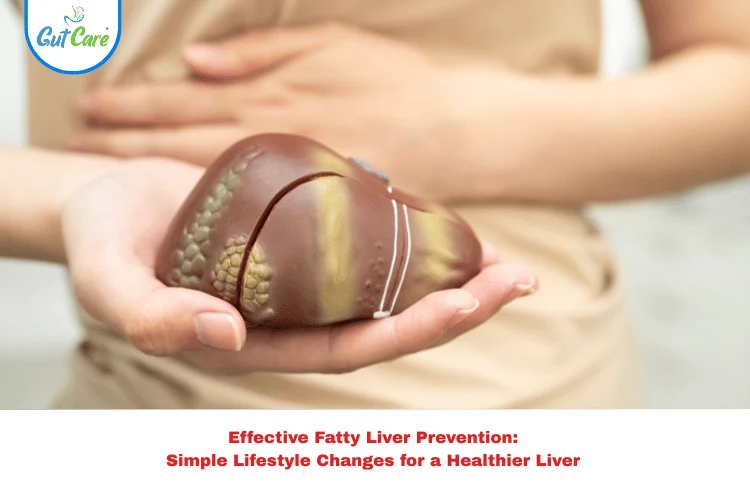
Fatty liver disease happens when excess fat builds up in liver cells. A small amount of fat is normal, but too much can affect how the liver works. The liver plays a key role in digestion, detoxification, and nutrient storage. When fat accumulation increases, it may lead to inflammation and long-term damage if ignored.
There are two main types:
- Non-alcoholic fatty liver disease (linked to obesity and diabetes)
- Alcohol-related fatty liver disease
Understanding this condition is the first step toward fatty liver prevention.
Why Fatty Liver Prevention Matters
Many people do not notice symptoms in the early stage. That is why fatty liver prevention is essential. When left untreated, fatty liver may progress to inflammation and scarring. Early prevention helps avoid complications and supports long-term liver function.
Prevention is easier than treatment. Small daily changes often bring lasting results.
Common Causes and Risk Factors
Fat accumulation in the liver does not happen suddenly. It develops due to certain risk factors:
- Being overweight or obese
- High sugar intake
- Sedentary lifestyle
- Type 2 diabetes
- High cholesterol
- Excess alcohol intake
Addressing these risk factors is central to fatty liver prevention.
The Role of Exercise in Liver Protection
Regular movement reduces fat stored in the liver. Exercise improves insulin sensitivity and helps manage weight.
Recommended approach:
- 30 minutes of brisk walking five days a week
- Light strength training
- Stretching or yoga
Consistency matters more than intensity. Exercise is a foundation of fatty liver prevention.
Practical Steps to Protect Your Liver Health
1. Maintain a Healthy Weight
Excess body weight, especially around the abdomen, increases the risk of fat buildup in the liver. Gradual, sustainable weight loss through balanced nutrition and regular activity can significantly reduce liver fat and improve overall function.
2. Follow a Balanced Diet
Focus on whole foods such as vegetables, fruits, whole grains, lean proteins, and healthy fats. Reduce intake of processed foods, refined sugars, fried items, and sugary beverages, which contribute to fat accumulation in the liver.
3. Limit Sugar and Refined Carbohydrates
High consumption of white bread, pastries, soft drinks, and sweets can increase liver fat. Choose complex carbohydrates like oats, brown rice, and millets instead.
4. Exercise Regularly
Aim for at least 30 minutes of moderate exercise, such as brisk walking, cycling, or swimming, most days of the week. Physical activity helps reduce liver fat and improves insulin sensitivity.
5. Stay Hydrated
Drinking enough water supports digestion, metabolism, and toxin elimination. Replace sugary drinks with water, herbal teas, or fresh lemon water.
6. Manage Blood Sugar Levels
If you have diabetes or insulin resistance, maintaining controlled blood sugar levels is essential for preventing fatty liver progression.
7. Reduce Alcohol Intake
Excess alcohol can damage liver cells and worsen fat accumulation. Limiting or avoiding alcohol supports long-term liver protection.
8. Improve Sleep Quality
Poor sleep can affect metabolism and increase fat storage. Aim for 7–8 hours of quality sleep each night.
9. Manage Stress
Chronic stress impacts hormonal balance and metabolic health. Practice relaxation techniques like yoga, meditation, or deep breathing.
10. Get Regular Health Checkups
Routine health screenings help detect liver issues early. Monitoring liver enzymes and metabolic markers allows timely preventive action.
Adopting these practical steps consistently can help prevent fatty liver and promote better overall health.
Can Fatty Liver Be Reversed?
Yes, in early stages, fatty liver can be reversed with lifestyle changes. That is why fatty liver prevention should begin as soon as risk factors appear. Timely medical supervision improves outcomes and prevents progression.
understanding lifestyle measures, it becomes equally important to consult experts for proper assessment. At Gutcare Clinics (located in Bangalore), patients receive structured liver evaluations and personalized guidance. Their approach combines diagnostics, dietary counseling, and long-term monitoring to strengthen fatty liver prevention.
Daily Habits That Support Long-Term Liver Health
Simple habits build strong protection:
- Drink enough water
- Sleep 7–8 hours daily
- Manage stress
- Avoid self-medication
- Schedule annual health screenings
At Gutcare Clinics, preventive liver care programs help individuals track progress regularly. Structured follow-ups ensure fatty liver prevention remains effective over time.
For patients needing comprehensive digestive evaluation, consultation with Dr. Yuvrajsingh Gehlot ensures broader digestive health assessment alongside liver care. A combined approach strengthens fatty liver prevention outcomes.
When to Consult a Doctor
Seek medical advice if:
- Symptoms persist
- Liver test results are abnormal
- You have diabetes or obesity
- Lifestyle changes show no improvement
Early professional guidance improves fatty liver prevention success rates and reduces long-term risks.
Conclusion
Fatty Liver Prevention: Practical Steps to Protect Your Liver Health is not about complicated treatments. It is about consistent, practical lifestyle choices supported by medical guidance. Healthy eating, regular exercise, weight management, and early screening make a powerful difference.
If symptoms persist or you fall under high-risk categories, consult experts. Prevention today protects your tomorrow.
FAQs
1. What is fatty liver prevention and why is it important?
Fatty liver prevention focuses on lifestyle changes like diet and exercise to reduce fat buildup in the liver and prevent complications.
2. Can fatty liver prevention reverse early liver damage?
Yes, early stages can improve significantly with weight loss, healthy eating, and medical monitoring.
3. What are the early warning signs linked to fatty liver prevention?
Fatigue, mild abdominal discomfort, and abnormal liver tests may signal the need for preventive action.
4. Does exercise really help in fatty liver prevention?
Yes, regular physical activity reduces liver fat and improves metabolism.
5. Where can I get expert advice for fatty liver prevention in Bangalore?
You can consult specialists at Gutcare Clinics (located in Bangalore) for structured evaluation and preventive liver care.