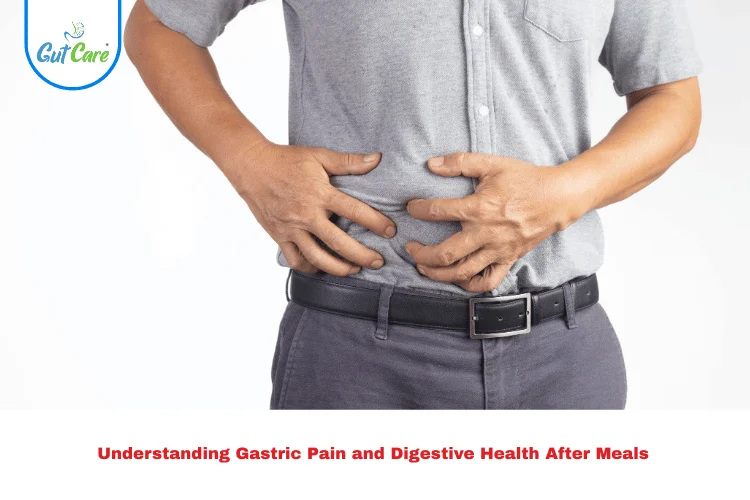
Experiencing gastric pain after meals can be uncomfortable and confusing for many people. It may appear as burning, pressure, or discomfort in the upper abdomen shortly after eating. Sometimes it happens occasionally, while for others it becomes a frequent digestive concern. Understanding the possible reasons behind this pain is important because the digestive system reacts to many factors such as food choices, meal timing, stress, and lifestyle habits. When these elements affect digestion, the stomach may respond with irritation or discomfort. Learning what causes this issue and how the digestive process works can help individuals take practical steps to improve their overall digestive health and daily comfort.
“ Experiencing stomach discomfort after meals? Consult a digestive specialist today.”
Understanding How the Digestive System Works
The digestive system breaks down food into nutrients that your body uses for energy and cell repair. From the moment food enters your mouth to its final processing in the intestines, multiple organs—including the stomach, pancreas, liver, and intestines—work together. Any imbalance or irritation in this chain can result in gastric pain.
How Does Gastric Pain Feel Like?
Gastric pain is typically described as a burning, cramping, or sharp discomfort felt in the upper abdomen. It may occur shortly after eating or when the stomach is empty. Some people also experience bloating, nausea, or a feeling of fullness. The intensity can vary—mild in some cases, or severe enough to interfere with daily activities in others. It may come and go or feel constant depending on the cause.
Common Causes of After Meals
Several everyday factors may lead to gastric pain after eating. Some of the most common causes include:
- Eating very large meals quickly
- Consuming oily or spicy foods
- Acid imbalance in the stomach
- Irregular meal timing
- Stress affecting digestion
In many cases, these factors disturb the natural digestive rhythm and cause gastric soon after eating.
Foods That May Trigger Gastric Pain
Certain foods are known to irritate the stomach lining and trigger gastric pain in sensitive individuals. These include:
- Fried or greasy foods
- Very spicy dishes
- Excess caffeine
- Highly processed snacks
- Carbonated beverages
These foods may increase stomach acid production and contribute to gastric if consumed frequently.
Symptoms That Often Accompany
People experiencing gastric pain after eating may also notice additional digestive symptoms such as:
- Bloating or fullness
- Mild nausea
- Burping or gas
- Burning sensation in the stomach
- Abdominal discomfort
These symptoms usually indicate that the digestive system is struggling to process food efficiently.
Difference Between Gastric Pain and Normal Indigestion
Occasional indigestion happens to almost everyone. However, recurring gastric pain can be different from simple indigestion.
Indigestion usually occurs after overeating and disappears quickly. In contrast, gastric may return repeatedly after meals and sometimes last longer. Recognizing this difference helps people understand when it may be time to seek professional advice.
Lifestyle Habits That Can Contribute to Gastric Discomfort
Daily habits play a significant role in digestive comfort. Some lifestyle choices that may contribute to gastric pain include:
- Skipping meals and eating irregularly
- Drinking very little water
- High stress levels
- Lack of sleep
- Eating late at night
Improving these habits can often reduce the frequency of gastric and support healthier digestion.
When Gastric Pain May Need Medical Attention
If gastric continues for several days or becomes intense, medical evaluation is important. Persistent discomfort may indicate digestive conditions that require proper diagnosis and care.
Early consultation helps identify the cause of gastric pain and prevents further digestive complications. Seeking medical guidance ensures that individuals receive the right information and appropriate treatment.
Tips to Reduce Gastric Pain After Eating
Simple lifestyle adjustments can help manage gastric pain effectively. Consider these helpful tips:
- Eat smaller and balanced meals
- Avoid heavy foods late at night
- Drink enough water during the day
- Eat slowly and chew food well
- Maintain a regular meal schedule
These steps can reduce pressure on the stomach and improve digestion.
Dietary Changes That Support Better Digestion
Healthy dietary habits are essential for preventing gastric and supporting digestive balance. Including fiber-rich foods, fresh vegetables, fruits, and whole grains in daily meals helps maintain smooth digestion.
Reducing fried foods and processed snacks can also improve stomach comfort. Balanced nutrition allows the digestive system to function efficiently and minimizes the chances of recurring discomfort.
Gutcare Clinics and Digestive Health
Gutcare Clinics, located in Bangalore, specializes in treating digestive disorders with a patient-first approach. Their team uses endoscopy, imaging, and dietary assessments to diagnose the root cause of gastric pain. With expert care and guidance, patients receive targeted treatment plans for long-term relief.
They offer treatment for high acidity, chronic indigestion, and other gastrointestinal issues, supporting patients through both diagnosis and lifestyle management.
What Are the Diagnostic Procedures to Identify Causes?
Doctors use various medical tests to understand the cause of gastric pain and evaluate digestive health properly. These tests may include blood tests, stool analysis, and endoscopy, which allows doctors to examine the stomach lining in detail. Imaging tests such as abdominal ultrasound can also help identify digestive issues, while breath tests are sometimes used to detect infections like H. pylori. In certain cases, doctors may recommend CT scans or barium swallow studies to get a clearer picture of the digestive system.
Proper diagnosis helps rule out conditions such as gastritis, ulcers, or acid reflux. During a consultation, Dr. Yuvrajsingh Gehlot carefully reviews symptoms, medical history, and test results to guide patients toward appropriate treatment and better digestive care.
Conclusion
Gastric pain is your body’s way of signaling a problem. Whether it’s from your diet, stress, or an underlying condition, addressing the issue early can prevent complications. Healthy eating habits, stress management, and regular medical check-ups are essential to maintaining long-term digestive health.
Gutcare Clinics offers compassionate care and evidence-based treatment to help patients overcome recurring gastric issues.
FAQs
1. Why does gastric pain occur after eating?
Gastric pain after meals may occur due to acid imbalance, heavy meals, or certain foods that irritate the stomach lining.
2. What foods commonly cause gastric pain?
Fried foods, spicy meals, carbonated drinks, and processed snacks can sometimes trigger gastric pain.
3. Is gastric pain the same as indigestion?
No, occasional indigestion is temporary, while repeated gastric pain may indicate an underlying digestive concern.
4. When should I consult a doctor for gastric pain?
If gastric pain continues for several days or becomes severe, it is advisable to seek medical evaluation.
5. Can Gutcare Clinics help with gastric pain treatment?
Yes, specialists at Gutcare Clinics provide consultation and guidance for people experiencing digestive discomfort and related symptoms.