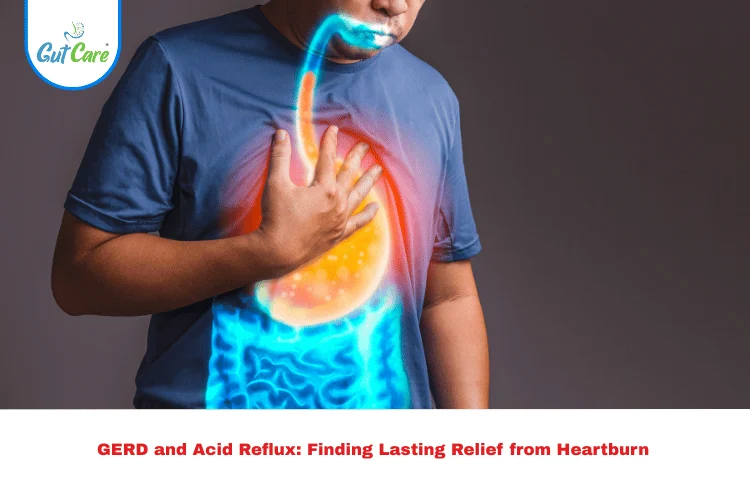

GERD complications can develop slowly when repeated acid reflux is left unmanaged. Many people ignore frequent heartburn, assuming it is temporary. However, ongoing reflux may irritate the food pipe and affect surrounding areas over time. When symptoms such as chest discomfort, sour taste, throat irritation, or disturbed sleep continue for weeks, it is important to understand the possible risks. Learning how reflux affects the digestive system helps individuals take timely steps to protect their health and prevent avoidable concerns.
“ Don’t ignore frequent heartburn—act early. Take control of reflux before it controls you.”
Understanding GERD and Chronic Acid Reflux
GERD, or gastroesophageal reflux disease, happens when stomach acid repeatedly flows back into the esophagus. Occasional reflux is common after heavy meals. But when it becomes frequent, it may signal a chronic condition.
Unlike simple acidity, GERD involves persistent irritation. Over time, this repeated exposure increases the chance of GERD complications affecting the esophagus and nearby organs.
How Acid Reflux Damages the Esophagus Over Time
The esophagus is not designed to handle repeated acid exposure. When acid touches its lining frequently, inflammation can begin. This irritation may cause discomfort while swallowing and a burning sensation in the chest.
Without attention, tissue changes may occur gradually. These structural changes increase the likelihood of developing GERD complications that affect normal swallowing and digestion.
Esophagitis: The First Stage of GERD Complications
Esophagitis refers to inflammation of the esophageal lining. It is often one of the earliest GERD complications.
Symptoms may include:
- Burning chest discomfort
- Difficulty swallowing
- Feeling of food sticking
Early management can prevent worsening inflammation and protect the food pipe from further irritation.
Esophageal Ulcers and Bleeding
When inflammation continues, small sores called ulcers may form. These are deeper injuries in the lining of the esophagus. Ulcers are considered more advanced GERD complications and may cause pain while eating.
Warning signs can include:
- Persistent throat discomfort
- Dark stools
- Ongoing swallowing difficulty
Medical evaluation is important if such symptoms appear.
Esophageal Strictures: Narrowing of the Food Pipe
Repeated healing and scarring may cause narrowing of the esophagus, known as strictures. This condition is one of the structural GERD complications that affects food passage.
People may notice:
- Difficulty swallowing solid food
- Needing extra water while eating
- Sensation of blockage
Treatment may involve medication or procedures to gently widen the narrowed area.
Respiratory Complications Linked to GERD
Acid reflux does not always remain limited to the digestive tract. Some GERD complications can affect the throat and breathing passages.
Common concerns include:
- Chronic dry cough
- Hoarseness
- Throat irritation
- Sleep disturbance
Night-time reflux can disrupt sleep quality and reduce daily energy levels.
Impact of GERD on Daily Life and Quality of Sleep
Ongoing reflux can affect eating habits, productivity, and rest. Individuals with recurring symptoms may avoid certain foods, feel anxious about meals, or experience disturbed sleep.
When GERD complications interfere with routine activities, professional guidance becomes important to restore comfort and confidence.
Preventing GERD Complications Through Early Management
Prevention focuses on consistent lifestyle care and medical evaluation.
Helpful steps include:
- Eating smaller, balanced meals
- Avoiding late-night eating
- Maintaining healthy weight
- Staying hydrated
- Managing stress levels
Medical guidance ensures proper diagnosis and structured treatment plans. In Bangalore, Gutcare Clinics (located in Bangalore) provides digestive health evaluation and structured management approaches for reflux-related concerns. Early attention reduces the risk of GERD complications progressing further.
Dr. Yuvrajsingh Gehlot, colorectal surgeon, emphasizes that recurring reflux should never be ignored. Identifying symptom patterns early allows better control and prevents avoidable digestive strain.
Treatment options may include:
- Acid-control medications
- Lifestyle adjustments
- Dietary planning
- Endoscopic evaluation when required
Regular follow-up ensures stability and symptom control. Gutcare Clinics focuses on structured assessment and patient education to help individuals manage reflux effectively. Addressing symptoms early significantly lowers the risk of developing long-term GERD complications.
When to Seek Medical Evaluation
Consult a healthcare professional if you experience:
- Heartburn more than twice a week
- Difficulty swallowing
- Persistent cough
- Sleep disruption due to reflux
Timely evaluation supports safe and effective care.
Conclusion
Ignoring recurring acid reflux can lead to progressive GERD complications that affect digestion, swallowing, and overall comfort. Early lifestyle adjustments combined with medical guidance help protect the esophagus and maintain digestive balance.
If symptoms persist, professional evaluation is the safest next step. Digestive health improves when concerns are addressed early rather than delayed.
FAQs
1. What are GERD complications?
GERD complications include inflammation, ulcers, strictures, and tissue changes in the esophagus caused by repeated acid exposure.
2. Can GERD complications develop without severe pain?
Yes. Some GERD complications progress gradually with mild symptoms like throat irritation or swallowing difficulty.
3. How can GERD complications be prevented?
Early lifestyle changes, proper medication, and regular medical evaluation reduce the risk of GERD complications.
4. When should I consult Gutcare Clinics for reflux symptoms?
If reflux occurs frequently or disrupts daily life, evaluation at Gutcare Clinics can help identify causes and prevent complications.
5. Is every case of chronic acid reflux dangerous?
Not always, but persistent reflux should be assessed to avoid GERD complications over time.