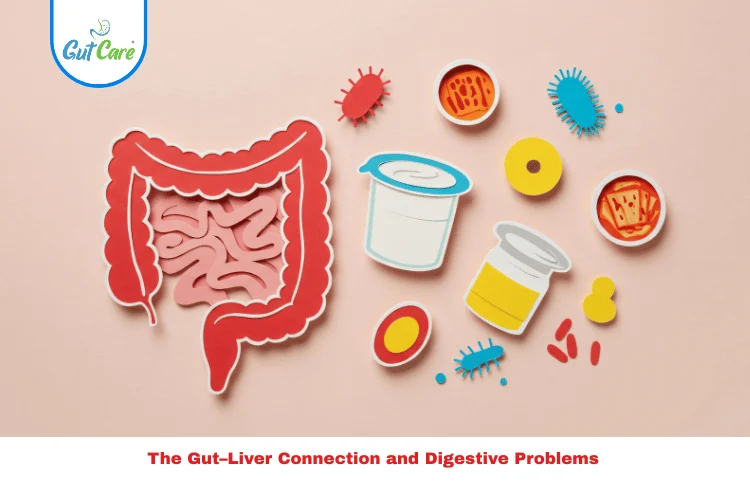
The Gut–Liver Connection is an important concept for people experiencing bloating, indigestion, acidity, and irregular bowel movements. The gut and liver function like a true partnership—when one is affected, the other reacts immediately. At Gutcare Clinics, Bangalore, many individuals report digestive symptoms without realizing they are connected to liver health. Gutcare Clinics operates under the guidance of colorectal surgeon Dr. Yuvrajsingh Gehlot, who focuses on evaluating both organs together for accurate diagnosis.
Rebuild your gut and liver health today—start with Gutcare Clinics now.
The Gut–Liver Connection Explained
The digestive system and liver communicate through:
- Blood circulation
- Hormonal pathways
- Immune system signals
- Gut microbiome interactions
This two-way exchange is what creates the Gut–Liver Connection. When the gut develops inflammation, imbalance, or toxin buildup, the liver becomes the first organ to manage the overload. In reverse, a stressed liver slows digestion, causes bloating, and disrupts bowel movements. At Gutcare Clinics, specialists always assess this connection because treating only one side rarely solves the problem.
What Is Fatty Liver and How Does It Develop?
Fatty liver occurs when excess fat deposits accumulate within liver cells. Common causes include:
- Processed and high-calorie foods
- Sedentary lifestyle
- Obesity
- Diabetes
- Increased gut inflammation
As fat builds up, the liver becomes overburdened and less capable of supporting digestion. Many patients at Gutcare Clinics discover fatty liver during routine checkups after reporting vague digestive discomfort.
Why Fatty Liver Causes Digestive Problems
Fatty liver and digestion are closely linked because the liver plays a major role in breaking down food, producing bile, and maintaining a healthy gut environment. When excess fat collects in the liver, the organ becomes inflamed and sluggish. This directly affects how well your digestive system works, and this is where the Gut–Liver Connection becomes extremely important. When the liver is compromised, it disrupts the balance of the entire digestive tract, creating a chain reaction of digestive discomfort.
Here are the main reasons fatty liver leads to digestive discomfort:
1. Reduced Bile Production
Your liver produces bile, which helps digest fats.
But when the liver becomes fatty or swollen, bile production slows down. This leads to:
- Difficulty digesting fatty foods
- Bloating after meals
- Indigestion
- Pale, oily stools
Without enough bile, the stomach and intestines struggle to break down food properly.
2. Slow Metabolism and Delayed Digestion
A fatty liver cannot process nutrients efficiently.
This slows down digestion and causes:
- Fullness even after small meals
- Gas and burping
- Slow bowel movements
- Acid reflux due to delayed stomach emptying
3. Gut Microbiome Imbalance
Fatty liver often goes hand-in-hand with an unhealthy gut microbiome.
Too many harmful bacteria can:
- Produce toxins
- Increase inflammation
- Trigger bloating and abdominal discomfort
These toxins travel through the portal vein straight to the liver, worsening inflammation—a cycle known as the Gut–Liver Axis imbalance.
4. Increased Intestinal Permeability (“Leaky Gut”)
Fatty liver is often linked with a weakened gut lining.
This allows harmful particles to pass into the bloodstream and burden the liver.
The result is:
- Chronic inflammation
- Irritable bowel symptoms
- Frequent acidity and discomfort
5. Sluggish Bowel Movements
When the liver struggles, digestion becomes slow and inefficient.
This leads to:
- Constipation
- Heavy stomach feeling
- Irregular bowel habits
6. Overload of Toxins
The liver is responsible for filtering toxins, but fatty liver reduces this ability.
As toxins accumulate, the gut reacts through:
- Nausea
- Appetite changes
- Gas and heaviness
How Fatty Liver Disrupts Your Digestive System
Due to the Gut–Liver Connection, fatty liver disease can affect digestion in these ways:
1. Slow Digestion and Bloating
A stressed liver produces fewer digestive enzymes, slowing down food breakdown.
2. Acid Reflux and Indigestion
Irregular bile flow disrupts fat digestion and increases acidity.
3. Constipation or Irregular Bowel Movements
Low bile production makes stools harder and more difficult to pass.
4. Increased Gas Formation
Poorly digested food ferments in the intestines, producing excess gas.
These issues commonly bring patients to Gutcare Clinics for professional evaluation.
Common Digestive Problems Linked to Fatty Liver
Fatty liver can cause:
- Persistent bloating
- Early fullness
- Reduced appetite
- Nausea
- Constipation
- Acid reflux
- Abdominal discomfort
Since the gut and liver are deeply connected, these symptoms often appear together.
How Improving Gut Health Can Support Liver Recovery
Strengthening the gut can directly improve liver health. Helpful steps include:
- Increasing daily fiber intake
- Adding probiotics
- Drinking plenty of water
- Eating smaller, balanced meals
- Reducing junk food and sugary snacks
Consistent changes often provide noticeable relief within weeks.
Lifestyle Changes That Protect Both Gut and Liver
- Walk at least 30 minutes daily
- Quit smoking
- Avoid late-night eating
- Improve sleep schedule
- Reduce stress using yoga or breathing practices
- Limit heavy and oily meals
These steps create meaningful improvements throughout the Gut–Liver Connection.
Treatment Approaches Your Doctor May Recommend
At Gutcare Clinics, treatment plans may include:
- Digestive enzyme therapy
- Liver function monitoring
- Microbiome correction
- Customized meal planning
- Lifestyle counseling
- Routine screening tests
- Probiotic and fiber-based treatments
Under Dr. Yuvrajsingh Gehlot, all treatments aim to support both gut and liver health simultaneously.
Tips to Maintain a Healthy Gut–Liver Connection
To maintain long-term balance:
- Eat a high-fiber diet
- Stay hydrated
- Maintain a healthy weight
- Exercise regularly
- Follow fixed meal timings
- Limit processed food
- Schedule routine checkups at Gutcare Clinics
Conclusion
The Gut–Liver Connection strongly influences digestion and overall energy balance. When fatty liver develops, digestive symptoms often follow due to the close relationship between these two organs. If you are experiencing ongoing bloating, reflux, constipation, or general discomfort, Gutcare Clinics in Bangalore, under Dr. Yuvrajsingh Gehlot, provides complete evaluation and treatment to restore your digestive and liver health.
FAQs
1. What is the Gut–Liver Connection?
The Gut–Liver Connection describes how the gut and liver communicate through blood flow, bacteria, and immune pathways. Imbalance in the gut can directly affect liver function.
2. Does fatty liver cause digestive issues?
Yes. Because of the Gut–Liver Connection, fatty liver can slow digestion, increase acidity, and cause bloating or constipation.
3. How can Gutcare Clinics help with gut and liver problems?
Gutcare Clinics offers diagnostics, dietary planning, and personalized treatment to improve both gut and liver health under Dr. Yuvrajsingh Gehlot.
4. What foods support both gut and liver health?
Fiber-rich vegetables, fruits, yogurt, fermented foods, oats, and whole grains help improve digestion and support liver recovery.
5. When should I see a doctor for fatty liver–related digestive symptoms?
If symptoms persist for more than two weeks or worsen, it’s best to consult a specialist to prevent deeper inflammation.