
Hernia Recurrence After Surgery is a concern many patients worry about after undergoing hernia repair. At Gutcare Clinics, Bangalore, patients often ask whether a repaired hernia can return and what causes this problem. According to Dr. Yuvrajsingh Gehlot, colorectal surgeon, hernia repair is generally successful, but recurrence can happen if certain medical or lifestyle factors are present. Understanding the reasons behind recurrence helps patients protect their recovery and long-term health.
“ Don’t ignore recurring hernia symptoms—consult an expert and protect recovery today expert clarity at Gutcare Clinics today, “
Introduction: Understanding Hernia Recurrence After Surgery
A hernia occurs when tissue protrudes through a weak spot in the muscle wall. While surgery restores the tissue’s strength, Hernia Recurrence After Surgery (HRAS) can develop if healing is compromised or the repaired site is subjected to stress. At Gutcare Clinics, proper diagnosis, skilled surgery, and attentive aftercare help reduce HRAS.
What Is Hernia Repair and How Successful Is It?
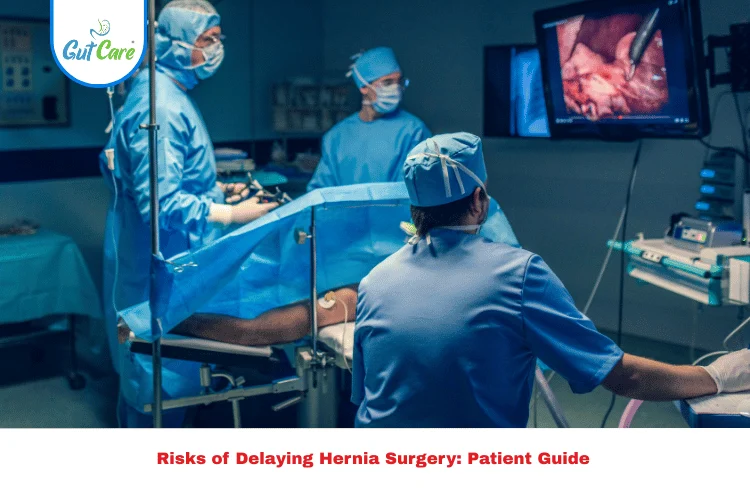
Hernia repair strengthens the weakened abdominal wall, often using mesh reinforcement. Most surgeries are successful. However, Hernia Recurrence After Surgery may happen if pressure is applied to the area before it fully heals. Gutcare Clinics follows evidence-based surgical practices to ensure long-term safety and durability.
Recognizing Recurrence:
Symptoms of Hernia Recurrence After Surgery may include a visible bulge near the repaired area, discomfort or pain during movement, a feeling of heaviness, or tenderness at the surgical site. Early recognition is important for timely treatment.
Common Causes of Hernia Recurrence
Factors that contribute to Hernia Recurrence After Surgery include:
- Excessive physical strain or heavy lifting too soon after surgery
- Chronic cough or constipation that increases abdominal pressure
- Obesity, smoking, or poor nutrition affecting tissue healing
- Weak tissue or complications at the repair site
Dr. Yuvrajsingh Gehlot notes that recurrence usually results from a combination of factors rather than a single cause.
Patient-Related Risk Factors
Certain personal factors increase the risk of recurrence:
- Obesity
- Smoking
- Chronic cough or constipation
- Heavy lifting too soon after surgery
At Gutcare Clinics, patients are guided on managing these risks effectively.
Common Symptoms of Hernia Recurrence
Early recognition of Hernia Recurrence After Surgery helps prevent complications. Symptoms may include:
- Pain or discomfort at the repair site
- Visible bulge near the previous repair
- Pressure or heaviness in the region
- Difficulty in movements due to discomfort
Diagnosis of Hernia Recurrence
Diagnosis involves:
- Physical examination
- Imaging tests, if necessary
Accurate diagnosis ensures that treatment is tailored to the patient’s condition before any intervention.
Treatment Options for Recurrent Hernia
Treatment varies depending on the hernia’s size, symptoms, and the patient’s overall health:
1. Mild Cases – Monitoring:
Small, asymptomatic hernias may be monitored. Patients follow lifestyle advice, avoid heavy lifting, maintain healthy weight, and attend regular check-ups.
2. Surgical Repair:
Symptomatic or larger recurrences usually require surgery. Modern techniques, including laparoscopic or minimally invasive repair, often use mesh or advanced suturing to strengthen the abdominal wall and reduce recurrence. Recovery is faster, with fewer complications.
Gutcare Clinics provides personalized care plans focused on long-term outcomes.
How to Prevent Hernia Recurrence After Surgery
Prevention is essential:
- Follow post-operative instructions
- Avoid heavy lifting during recovery
- Maintain a healthy weight
- Manage chronic cough or constipation
- Avoid smoking
- Choose an experienced surgeon
- Attend regular follow-up visits
Why Hernia Recurrence Occurs
Even after a successful repair, a hernia can return if:
- The repaired area is subjected to strain too soon
- Healing is incomplete
- The patient has weak tissue or pre-existing conditions
- Obesity, coughing, or constipation increases abdominal pressure
Recovery and Long-Term Prognosis
With proper care, patients can recover fully even after recurrent hernia repair. At Gutcare Clinics, Dr. Yuvrajsingh Gehlot ensures patients receive the latest surgical techniques, personalized guidance, and consistent follow-up to prevent recurrence.
When to Consult a Doctor for Hernia Recurrence
If you notice a new bulge, persistent pain, swelling, or discomfort near a previous hernia surgery site, it’s important to consult a doctor promptly. At Gutcare Clinics, Bangalore, Dr. Yuvrajsingh Gehlot provides thorough evaluation and personalized treatment plans to manage hernia recurrence safely and effectively.
Conclusion:
Hernia Recurrence After Surgery can be effectively prevented with accurate diagnosis, expert surgical techniques, and adherence to recovery protocols. Patient awareness, lifestyle management, and follow-up care are just as important as the surgery itself. Gutcare Clinics, Bangalore, provides comprehensive care to minimize recurrence risk and ensure safe, long-term outcomes.
Frequently Asked Questions (FAQs)
1. Is Hernia Recurrence After Surgery common?
It is uncommon when surgery and recovery guidelines are followed properly.
2. What causes Hernia Recurrence After Surgery most often?
Early strain, poor healing, or unmanaged health conditions are common causes.
3. Can Hernia Recurrence After Surgery be treated again?
Yes, repeat repair is possible with proper evaluation and planning.
4. How soon can Hernia Recurrence After Surgery appear?
It may occur months or even years later if risk factors persist.
5. Where can I get expert care for Hernia Recurrence After Surgery in Bangalore?
Gutcare Clinics in Bangalore provides specialized evaluation and treatment under Dr. Yuvrajsingh Gehlot.