
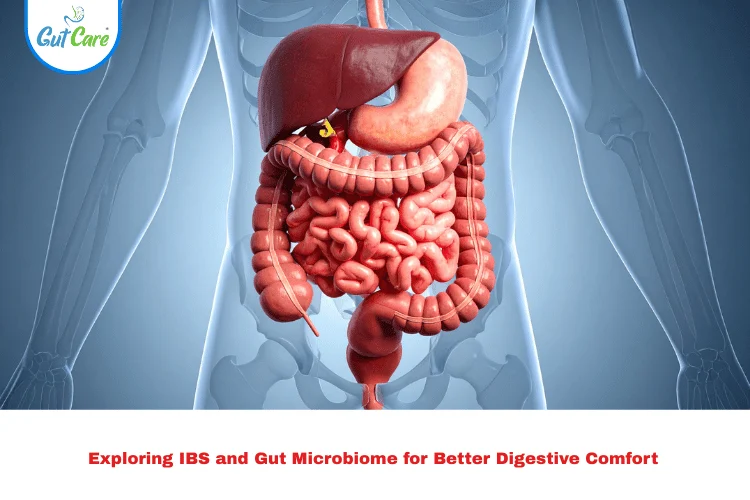
Digestive health is closely influenced by the balance of microorganisms living in the gut. IBS and gut microbiome share a strong connection, as changes in gut bacteria can affect digestion, sensitivity, and bowel habits. Many individuals experience ongoing discomfort, bloating, or irregular digestion without realizing how deeply gut balance plays a role. Understanding how IBS interacts with the gut microbiome helps explain why symptoms vary from person to person and why consistent care matters. With the right awareness and informed guidance, individuals can take practical steps toward improving digestive comfort and maintaining long-term gut balance.
“ Digestive comfort starts with understanding. If symptoms continue, speak with a specialist and take the next step “
Introduction to IBS and Gut Microbiome
IBS is a functional digestive condition that affects how the intestines behave rather than how they look structurally. IBS and gut microbiome are linked because the trillions of bacteria living in the digestive tract help regulate movement, sensitivity, and immune responses. When this balance shifts, digestive signals can become exaggerated, leading to discomfort even without visible disease.
What Is the Gut Microbiome and Why It Matters
The gut microbiome refers to the collection of helpful microorganisms living in the digestive tract. IBS and gut microbiome are connected because these bacteria influence digestion, nutrient absorption, and gut-brain communication. A balanced microbiome supports smoother digestion, while imbalance may increase sensitivity and irregular bowel habits.
How IBS Affects Digestive Balance
In IBS, the digestive system reacts more strongly to normal triggers. IBS and gut microbiome interact when gut bacteria changes affect bowel movement speed and sensitivity. This can explain why symptoms vary between individuals and change over time.
The Role of Gut Bacteria in IBS Symptoms
Gut bacteria help break down food and regulate gas production. IBS and gut microbiome become problematic when certain bacteria dominate, increasing bloating or discomfort. Supporting healthy bacteria helps calm digestive responses.
Gut Sensitivity and Microbiome Imbalance
Increased gut sensitivity is a key feature of IBS. IBS and gut microbiome influence nerve signaling within the intestines, making normal digestion feel uncomfortable. Restoring balance can help reduce this overreaction.
Common Triggers That Disrupt the Gut Microbiome
Several everyday factors can disturb gut balance:
- Irregular eating patterns
- Low-fiber diets
- Chronic stress
- Inadequate hydration
- Frequent processed foods
These factors indirectly affect IBS and gut microbiome, increasing symptom frequency when left unmanaged.
Signs of an Unbalanced Gut in IBS
People may notice:
- Frequent bloating
- Abdominal discomfort
- Irregular bowel movements
- Food sensitivities
- Fatigue linked to digestion
These signs often point toward issues involving IBS and gut microbiome rather than isolated digestive problems.
How Diet Influences the Gut Microbiome in IBS
Diet plays a direct role in shaping gut bacteria. IBS and gut microbiome respond well to consistent meals, fiber-rich foods, and reduced irritants. Balanced nutrition encourages beneficial bacteria that support digestion without overwhelming the gut.
Lifestyle Factors That Impact Gut Health
Beyond food, daily habits matter. Regular movement, adequate sleep, and stress awareness all influence IBS and gut microbiome. Even small lifestyle adjustments can improve digestive comfort over time.
Diagnostic Approaches to Gut Microbiome Issues
Diagnosis begins with symptom review and gentle evaluation. Understanding IBS and gut microbiome helps specialists rule out structural concerns and focus on functional balance. Testing may include dietary assessment and symptom tracking.
At this stage, Gutcare Clinics, located in Bangalore, emphasizes structured evaluations guided by digestive specialists. Under the care of Dr. Yuvrajsingh Gehlot, colorectal surgeon, patients receive clear explanations focused on long-term digestive stability rather than quick fixes.
Managing IBS Through Microbiome Support
Management often includes:
- Personalized diet guidance
- Microbiome-supportive nutrition
- Stress regulation strategies
- Consistent routines
These steps directly support IBS and gut microbiome, helping the digestive system respond more predictably.
Importance of Consistency in Digestive Care
Digestive health improves gradually. Supporting IBS and gut microbiome requires patience and steady habits rather than sudden changes. Long-term consistency builds resilience within the gut environment.
At Gutcare Clinics, care plans are designed with realistic routines, helping patients maintain digestive balance while continuing daily life comfortably.
When to Seek Professional Guidance for IBS
Professional support becomes important when symptoms interfere with daily functioning or persist despite lifestyle changes. IBS and gut microbiome can be complex, and expert guidance ensures safe, effective care.
Consulting a colorectal surgeon such as Dr. Yuvrajsingh Gehlot helps ensure symptoms are evaluated accurately and managed with confidence.
Long-Term Digestive Comfort and Gut Balance
Long-term comfort depends on understanding how IBS and gut microbiome work together. With informed choices, supportive care, and professional guidance when needed, digestive health can become more stable and predictable.
Frequently Asked Questions
1. How are IBS and gut microbiome connected?
They influence digestion, sensitivity, and bowel movement patterns through bacterial balance.
2. Can diet changes improve IBS symptoms?
Yes, consistent and balanced nutrition supports healthier gut bacteria.
3. Does stress affect gut health in IBS?
Stress can alter digestion and worsen sensitivity when unmanaged.
4. When should someone consult a specialist?
If symptoms persist or affect daily life, professional evaluation is recommended.
5. Can improving gut microbiome balance help manage IBS?
Yes, consistent diet habits, stress control, and supportive care can improve microbiome balance and support better digestive comfort over time.