
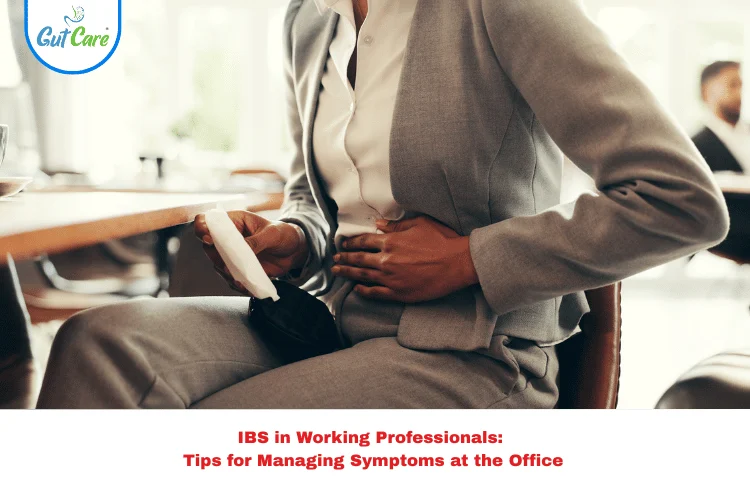
Modern office life may appear efficient and fast-paced, but it often places hidden strain on digestive health. IBS in Working Professionals is becoming more noticeable as long desk hours, constant deadlines, and irregular meals quietly contribute to ongoing gut discomfort. Many individuals overlook early warning signs, assuming they are temporary or stress-related, until symptoms begin to interfere with focus, confidence, and productivity. Gaining awareness of these digestive challenges allows individuals to recognize triggers early and respond proactively. With mindful habits, balanced routines, and effective stress management, it is possible to maintain digestive comfort while continuing to grow professionally and protect overall well-being.
“ Don’t let digestive discomfort slow your career.Take control, Book your expert consultation today.”
Understanding IBS in Working Professionals
Irritable Bowel Syndrome (IBS) is a functional digestive condition that affects bowel movement patterns and gut sensitivity. While it does not cause structural damage, it can significantly affect comfort and quality of life.
What Is IBS and Why Is It Common in Office Workers?
IBS involves symptoms such as abdominal pain, bloating, constipation, diarrhea, or alternating bowel habits. In office workers, irregular eating schedules, high-pressure deadlines, and lack of physical activity make the digestive system more sensitive.
This is why IBS in working professionals is often linked to lifestyle rather than a single medical cause.
How Modern Work Culture Affects Digestive Health
Modern work culture includes:
- Long screen time
- Skipping meals
- High caffeine intake
- Limited physical movement
- Chronic stress
These factors disturb the natural rhythm of digestion and increase gut sensitivity.
Common Causes of IBS in Working Professionals
Several daily habits contribute to IBS symptoms:
- Workplace stress and performance pressure
- Eating fast or at irregular hours
- Frequent business travel
- Sleep disturbances
- Sedentary desk jobs
When these habits continue for months or years, IBS in working professionals becomes more noticeable.
How Work Stress Triggers IBS Symptoms
Stress directly affects the gut through the brain-gut connection. During stressful meetings or deadlines, stress hormones change bowel movement patterns and increase abdominal discomfort.
This explains why IBS in working professionals often worsens before presentations or during tight schedules. The digestive system reacts to emotional pressure even if diet remains unchanged.
Daily Challenges Faced by Professionals With IBS
Living with IBS at work brings practical difficulties:
- Fear of sudden discomfort during meetings
- Anxiety about office lunches
- Reduced focus due to abdominal pain
- Planning work around restroom access
Over time, IBS in working professionals can affect productivity and confidence if not properly managed.
Warning Signs That Should Not Be Ignored
While IBS is manageable, certain symptoms require medical evaluation:
- Persistent abdominal pain
- Ongoing bowel habit changes
- Symptoms disturbing sleep
- Unexplained fatigue
If symptoms persist, consulting a specialist is important.
Effective Management Strategies for IBS at Work
Managing IBS does not mean leaving your career behind. Simple adjustments can make a significant difference.
- Eat meals at consistent times
- Take short walking breaks
- Reduce excessive caffeine
- Practice deep breathing before stressful meetings
Structured routines help control IBS in working professionals and reduce flare-ups.
Diet Tips for Busy Professionals With IBS
Food choices play a major role.
- Choose easily digestible meals
- Avoid skipping breakfast
- Stay hydrated
- Limit processed snacks
Keeping a food diary helps identify triggers. For more insights, consider reading related content on managing stress-related digestive symptoms.
Medical Treatment Options for Working Professionals
If lifestyle adjustments are not enough, medical care becomes necessary. Proper evaluation helps confirm the diagnosis and rule out other digestive conditions.
At Gutcare Clinics in Bangalore, patients with IBS in working professionals receive structured care plans tailored to their work schedules. Treatment may include gut-regulating medications, probiotics, dietary counseling, and stress-management guidance.
An experienced colorectal surgeon such as Dr. Yuvrajsingh Gehlot carefully evaluates symptoms and recommends personalized treatment strategies.
Building a Long-Term Gut-Healthy Work Routine
Long-term improvement requires consistency:
- Maintain regular sleep hours
- Exercise at least 30 minutes daily
- Manage workload stress
- Plan meals in advance
At Gutcare Clinics, guidance extends beyond medication. Patients are educated on building sustainable habits that reduce recurrence emphasizes preventive care and early consultation for lasting relief from IBS in working professionals.
Conclusion
IBS in working professionals is a growing concern in today’s fast-paced environment. Stress, irregular routines, and sedentary habits contribute significantly. However, with proper dietary choices, stress management, and medical guidance when necessary, symptoms can be effectively controlled.
Ignoring symptoms only increases discomfort. Taking early action ensures better productivity, confidence, and overall health.
FAQs
1. Why is IBS in working professionals increasing?
IBS in working professionals is rising due to stress, irregular eating habits, and long sitting hours.
2. Can office stress worsen IBS in working professionals?
Yes, stress directly affects digestion and can trigger flare-ups in IBS in working professionals.
3. How can I manage IBS in working professionals naturally?
Regular meals, stress reduction, hydration, and physical activity help manage IBS in working professionals.
4. When should I see a doctor for IBS in working professionals?
If symptoms persist or affect work performance, medical consultation is recommended.
5. How to deal with IBS in the workplace?
Manage symptoms by maintaining regular meal times, staying hydrated, and practicing stress-reduction techniques like deep breathing during breaks. Planning ahead, choosing gut-friendly foods, and communicating needs when necessary can also help maintain comfort and productivity.