
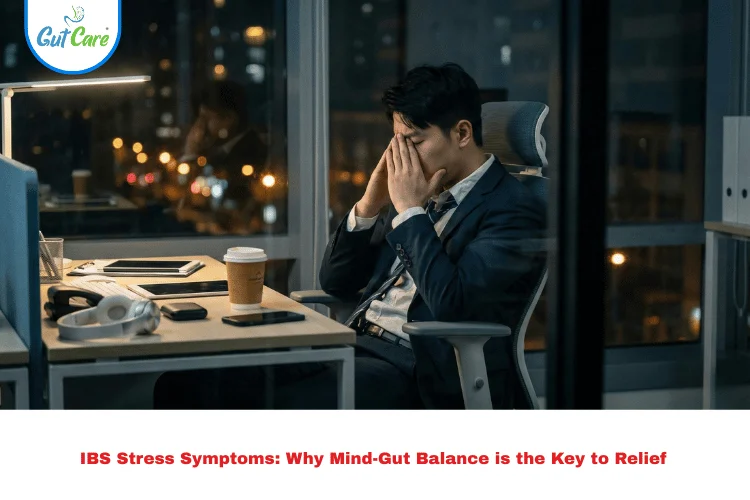
Irritable Bowel Syndrome (IBS) is more than just a digestive concern it is closely connected to stress, emotions, and overall mental wellbeing. The gut and brain communicate constantly through the mind-gut axis, meaning emotional tension can directly influence digestive comfort. For many individuals, stressful situations often trigger symptoms like bloating, abdominal discomfort, and irregular bowel habits. Understanding how to reduce IBS stress symptoms through mind-gut balance can help create a more stable daily routine. By focusing on relaxation techniques, mindful habits, and supportive lifestyle adjustments, individuals can work toward improved digestive harmony and overall wellbeing.
“ Don’t let stress control your gut ,Take charge. Restore balance. Book your consultation today.”
Understanding IBS Stress Symptoms
What Are IBS Stress Symptoms?
IBS stress symptoms refer to digestive problems that become worse during periods of emotional strain. These may include abdominal pain, bloating, irregular bowel movements, and discomfort after meals. The gut becomes more reactive when stress levels rise.
Many patients notice that their digestion is calm during relaxed periods but becomes unpredictable during stressful times. Recognizing this pattern is the first step toward better control.
Why Stress Makes IBS Worse
Stress activates the body’s “fight or flight” response. This response changes how the intestines contract and relax. Blood flow shifts, digestion slows or speeds up, and sensitivity increases.
This is why IBS stress symptoms often appear before presentations, travel, or important events. The gut reacts directly to emotional signals.
The Science Behind the Mind-Gut Connection
The gut and brain are connected through a network of nerves known as the gut-brain axis. Signals constantly travel between these two systems.
When a person feels anxious, the brain sends stress signals to the gut. This can change bowel movement patterns and increase pain sensitivity. Over time, repeated stress makes the gut more reactive, leading to ongoing IBS stress symptoms.
How Stress Hormones Affect Digestion
Stress hormones such as cortisol influence digestion. They can:
- Alter gut motility
- Increase inflammation sensitivity
- Disrupt healthy gut bacteria
- Worsen abdominal discomfort
This explains why stress management is as important as dietary control.
Common Triggers That Worsen IBS During Stress
Certain factors increase the risk of flare-ups:
- Emotional stress from work or relationships
- Poor sleep habits
- Skipping meals
- Caffeine or spicy foods
- Travel or routine changes
When these triggers combine with emotional strain, IBS stress symptoms become more noticeable.
How to Reduce IBS Stress Symptoms Naturally
Relaxation Techniques
Deep breathing, progressive muscle relaxation, and short mindfulness exercises calm the nervous system. Practicing these daily reduces the intensity of IBS stress symptoms.
Regular Physical Activity
Walking, yoga, or light exercise improves digestion and reduces stress hormones. Even 20–30 minutes a day can help regulate bowel movements.
Structured Daily Routine
Eating meals at fixed times and maintaining consistent sleep patterns supports gut stability.
Dietary Strategies to Support Mind-Gut Balance
Food choices matter, especially during stressful periods.
- Eat smaller, regular meals
- Limit caffeine during high-stress days
- Increase soluble fiber gradually
- Stay hydrated
Keeping a food and stress journal helps identify patterns that trigger IBS stress symptoms. For more detailed dietary guidance, you may refer to related content on managing irritable bowel syndrome triggers.
Medical Treatment Options for Persistent IBS Stress Symptoms
If symptoms continue despite lifestyle changes, medical support is important. A thorough evaluation rules out other digestive conditions and confirms the diagnosis.
At this stage, seeking care from an experienced colorectal surgeon such as Dr. Yuvrajsingh Gehlot can provide clarity. At Gutcare Clinics in Bangalore, patients receive structured assessment and personalized treatment plans.
Medical treatment may include:
- Gut-regulating medications
- Probiotics
- Targeted dietary plans
- Stress-management guidance
Early intervention prevents complications and improves daily comfort.
Daily Habits to Maintain Long-Term Mind-Gut Balance
Long-term improvement depends on consistency.
- Prioritize 7–8 hours of sleep
- Practice short breathing exercises before meals
- Stay physically active
- Avoid skipping breakfast
- Take breaks during stressful workdays
These habits reduce the frequency of IBS stress symptoms and support emotional stability.
For individuals experiencing severe or persistent issues, consultation at Gutcare Clinics ensures expert evaluation and long-term digestive care.
When to Seek Professional Help
Seek medical attention if you notice:
- Persistent abdominal pain
- Ongoing bowel changes
- Symptoms affecting work or sleep
- Unexplained fatigue
Dr. Yuvrajsingh Gehlot, a skilled colorectal surgeon, emphasizes early evaluation for better outcomes. At Gutcare Clinics, patients receive comprehensive digestive care tailored to individual needs.
Conclusion
Managing IBS stress symptoms requires a balanced approach. Understanding triggers, improving lifestyle habits, supporting emotional health, and seeking timely medical advice create lasting improvement. The mind and gut work together—so treatment must address both.
If symptoms continue or interfere with daily life, professional care makes a difference.
FAQs
1. Can stress alone cause IBS stress symptoms?
Stress can significantly worsen IBS stress symptoms, especially when combined with diet or sleep issues.
2. How can I calm IBS stress symptoms quickly?
Deep breathing, short walks, and avoiding trigger foods help reduce IBS stress symptoms during flare-ups.
3. Are IBS stress symptoms permanent?
No, with proper lifestyle changes and medical guidance, IBS stress symptoms can be controlled effectively.
4. When should I consult a specialist for IBS stress symptoms?
If symptoms persist for weeks or affect daily activities, medical evaluation is recommended.
5. Does Gutcare Clinics treat IBS stress symptoms?
Yes, Gutcare Clinics in Bangalore provides structured treatment plans for managing IBS stress symptoms under expert supervision.