Anal fistula recurrence is one of the most common concerns people have after completing treatment. Many believe surgical care permanently resolves the issue, yet symptoms may return months or even years later for some individuals. This does not always indicate unsuccessful care, but rather highlights the complex nature of healing and recovery. Factors such as healing response, daily habits, and overall health can influence outcomes. Understanding why symptoms may return, how often this happens, and what supportive steps can be taken differently helps individuals feel informed, prepared, and confident while focusing on long term comfort and peace of mind.
“ Anal fistula recurrence requires specialized management, Get clarity with expert diagnosis today.”
Understanding Anal Fistula Recurrence
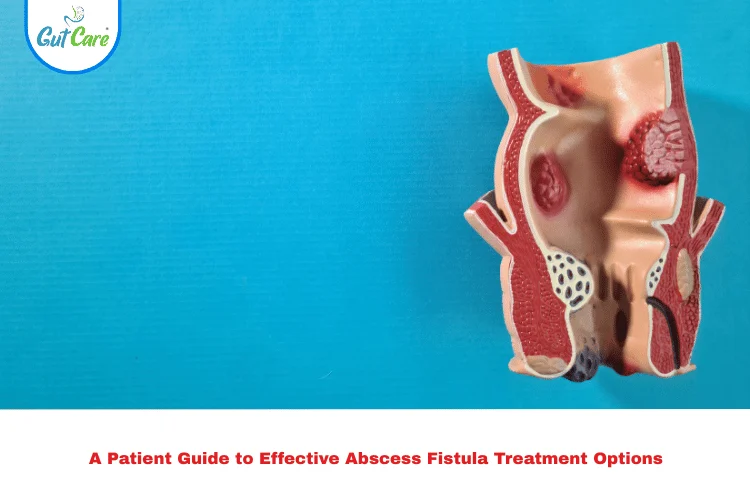
An anal fistula is an abnormal tunnel between the anal canal and the surrounding skin. When this tunnel fails to heal completely or reforms after treatment, it is called anal fistula recurrence. This can happen even after a well-performed procedure, especially in complex cases.
Recurrence is not rare, but it is manageable when addressed early and correctly.
What Is Anal Fistula Recurrence?
Anal fistula recurrence refers to the return of symptoms such as pain, swelling, or discharge after a patient has already received treatment. It may occur due to incomplete healing, hidden fistula branches, or persistent infection.
It is important to distinguish recurrence from delayed healing, as the management approach differs.
How Common Is Anal Fistula Recurrence?
Studies show that anal fistula recurrence rates vary depending on the fistula type and treatment method. Simple fistulas have lower recurrence rates, while complex fistulas have a higher chance of returning.
Recurrence does not mean the condition is untreatable it simply requires a more tailored approach.
Why Does Anal Fistula Recur?
Several factors contribute to anal fistula recurrence, including:
- Missed internal opening during surgery
- Complex or branching fistula tracts
- Ongoing infection
- Inadequate post-treatment care
- Underlying health conditions
Each case requires careful evaluation to prevent repeated recurrence.
Risk Factors That Increase Anal Fistula Recurrence
Certain conditions raise the risk of anal fistula recurrence:
- Complex fistula anatomy
- Previous multiple surgeries
- Inflammatory bowel conditions
- Diabetes or poor immunity
- Delayed diagnosis
Recognizing these risks helps in planning the right treatment from the start.
Symptoms of Recurrent Anal Fistula
Common signs of anal fistula recurrent include:
- Persistent or returning pain
- Recurrent discharge
- Swelling near the anal area
- Discomfort while sitting or walking
Early medical attention can prevent complications.
How Is Anal Fistula Recurrence Diagnosed?
Diagnosis of anal fistula recurrent involves:
- Physical examination
- Imaging studies such as MRI
- Evaluation of previous treatment history
Accurate diagnosis is critical to avoid repeated procedures.
Treatment Options for Recurrent Anal Fistula
Managing anal fistula recurrent requires individualized treatment. Options may include:
- Advanced fistula surgery
- Sphincter-preserving techniques
- Laser-assisted procedures
- Seton-based management
The goal is complete healing while preserving normal function.
Can Anal Fistula Recurrence Be Prevented?
While not all cases can be avoided, anal fistula recurrent can often be reduced through:
- Choosing the right procedure initially
- Complete fistula tract evaluation
- Proper wound care
- Regular follow-ups
Prevention begins with expert planning.
Recovery and Long-Term Outlook After Recurrent Fistula Treatment
Recovery from anal fistula recurrent treatment varies by individual. Most patients return to normal activity within weeks, with careful monitoring to ensure proper healing.
Long-term success depends on early intervention and specialist care.
Expert Tips to Reduce the Risk of Anal Fistula Recurrence
- Do not ignore early symptoms
- Follow post-treatment instructions strictly
- Maintain proper hygiene
- Seek care from an experienced colorectal surgeon
Expert handling reduces repeat issues significantly.
Expert Care at Gutcare Clinics, Bangalore
At Gutcare Clinics, patients receive specialized care for complex and recurrent anal fistulas under the guidance of Dr. Yuvrajsingh Gehlot, an experienced colorectal surgeon. The clinic focuses on precise diagnosis, modern treatment options, and long-term healing strategies especially for patients dealing with repeated fistula problems.
Conclusion
Anal fistula recurrence is common but manageable with the right expertise and approach. Early diagnosis, accurate treatment, and proper follow-up make a significant difference in outcomes. If symptoms return or healing seems delayed, consulting a specialist is essential. At Gutcare Clinics Bangalore, experienced specialists focus on careful evaluation, personalized care plans, and consistent follow-up to support long-term comfort and better recovery outcomes.
Frequently Asked Questions
1. Is anal fistula recurrence normal after surgery?
Yes, anal fistula recurrence can occur, especially in complex cases, and requires expert evaluation.
2. How long after surgery can anal fistula recurrence happen?
Recurrence may occur weeks or months later, depending on healing and fistula complexity.
3. Can lifestyle changes reduce anal fistula recurrence?
Healthy habits support healing but medical treatment is still necessary.
4. Is recurrent anal fistula dangerous if untreated?
Yes, untreated recurrence can lead to infection and complications.
5. Does Gutcare Clinics treat recurrent anal fistula cases?
Yes, Gutcare Clinics offers advanced care for recurrent cases under expert supervision.