Minimally invasive hernia surgery has changed the way hernia treatment is performed today. Instead of large cuts and longer hospital stays, modern techniques focus on smaller incisions, precise repair, and faster healing. Patients now experience less discomfort and return to daily life sooner than with traditional methods. Understanding how this approach works can help you make informed decisions about your health and recovery.
“Don’t live with hernia pain. Choose comfort. Choose faster recovery. Book your expert consultation today.”
What Is Minimally Invasive Hernia Surgery?
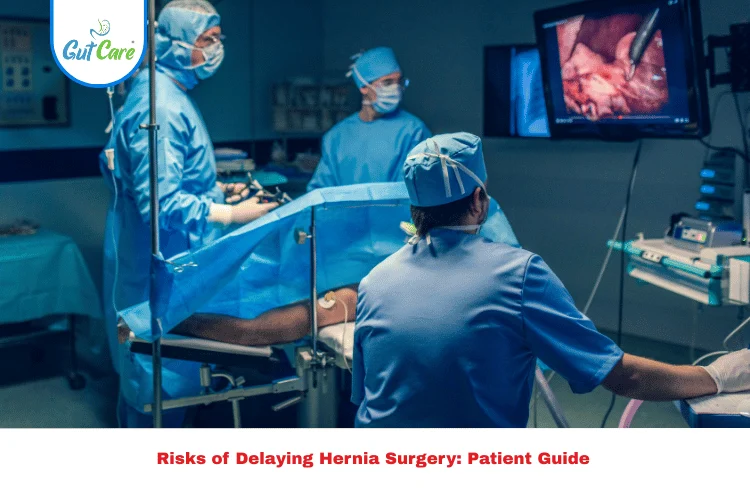
Minimally invasive hernia surgery is a technique where surgeons repair the hernia using small incisions and specialized instruments. A tiny camera called a laparoscope is inserted through one incision to guide the procedure. This allows clear visualization of the abdominal wall without making a large cut.
Compared to open surgery, this approach reduces trauma to surrounding tissues. It is commonly used for inguinal, umbilical, and ventral hernias. Many patients prefer this method because it combines safety with comfort.
How Minimally Invasive Hernia Surgery Works
During minimally invasive hernia surgery, the surgeon makes two or three small incisions. Through these openings:
- A camera provides a magnified internal view
- Surgical tools repair the weakened area
- A medical mesh strengthens the abdominal wall
Because the muscles are not widely opened, healing is faster. The use of advanced technology ensures accurate placement and reduced tissue handling.
Why It Causes Less Pain Compared to Open Surgery
Pain after surgery is usually linked to tissue damage. In invasive hernia surgery, smaller cuts mean:
- Less muscle disruption
- Reduced nerve irritation
- Minimal blood loss
- Lower risk of wound infection
Patients often report milder discomfort and require fewer pain medications. This is one of the main reasons why many specialists recommend this approach.
Faster Recovery: What Makes the Difference?
One major advantage of minimally invasive hernia surgery is quicker recovery. Patients often go home the same day. Most return to light activities within a few days.
The reasons include:
- Smaller surgical wounds
- Lower inflammation
- Shorter hospital stay
- Better mobility soon after surgery
important to mention that in Bangalore, Gutcare Clinics provides advanced laparoscopic hernia repair using modern techniques focused on patient comfort and safety.
Benefits of Minimally Invasive Hernia Surgery
Choosing minimally invasive hernia surgery offers several advantages:
- Smaller scars
- Shorter recovery time
- Reduced post-operative pain
- Lower risk of complications
- Early return to work
Patients treated at Gutcare Clinics benefit from structured follow-up care and clear recovery guidance, helping them regain confidence quickly.
What to Expect Before the Surgery
Before minimally invasive hernia surgery, patients undergo:
- Physical examination
- Basic blood tests
- Imaging if needed
- Pre-surgery counseling
Clear instructions are provided regarding fasting and medications. Proper preparation reduces risks and improves surgical outcomes.
Recovery Timeline After Surgery
Recovery from invasive hernia surgery is usually smooth:
First 24 hours: Mild soreness and rest at home
First week: Light walking encouraged
2–4 weeks: Gradual return to work
4–6 weeks: Resume normal physical activity
Following medical advice strictly helps prevent recurrence.
Risks and Possible Complications
While hernia surgery is considered safe, possible risks include:
- Mild swelling
- Temporary discomfort
- Rare infection
- Recurrence in uncommon cases
Choosing an experienced specialist reduces these risks significantly.
Tips to Speed Up Recovery
After minimally invasive hernia surgery, patients can improve healing by:
- Avoiding heavy lifting
- Eating fiber-rich foods
- Staying hydrated
- Walking daily
- Attending follow-up visits
In Bangalore, patients often consult Dr. Yuvrajsingh Gehlot, a colorectal surgeon known for careful evaluation and patient-centered care in hernia management.
Conclusion:
Minimally invasive hernia surgery offers clear advantages—less pain, smaller scars, and faster recovery. For many patients, it provides a safe and effective solution with minimal disruption to daily life. However, the right decision depends on your health condition and medical history.
If you notice persistent swelling or discomfort, do not delay consultation. Early evaluation ensures better results and peace of mind.
FAQs
1. What is minimally invasive hernia surgery?
Minimally invasive hernia surgery is a laparoscopic procedure that repairs hernias using small incisions, reducing pain and recovery time.
2. How long does recovery take after minimally invasive hernia surgery?
Most patients recover within 2–4 weeks and resume normal activities gradually.
3. Is minimally invasive hernia surgery safer than open surgery?
Yes, it usually causes less pain and has a quicker recovery compared to open hernia repair.
4. Who performs minimally invasive hernia surgery in Bangalore?
Experienced specialists at Gutcare Clinics provide advanced minimally invasive hernia surgery with modern techniques.
5. Can all hernias be treated with minimally invasive hernia surgery?
Not always. A medical evaluation determines if minimally invasive hernia surgery is suitable for your condition.