The face of digestive health has changed, and among the current breakthroughs is something called Postbiotics. The interest in these compounds for digestion and overall well-being has grown considerably over the last few years at Gutcare Clinics, Bangalore. It’s important to note that Microbial metabolites are only now receiving much attention not because they are new, but because it has taken a little time for science to discover how powerful they actually are. With expert guidance from specialists such as Dr. Yuvrajsingh Gehlot-a leading colorectal surgeon and specialist in digestive health-Gutcare Clinics helps patients find ways to safely, yet effectively, improve gut health.
“Ready to upgrade your gut health? Start your journey with Gutcare Clinics today!”
Introduction: Why Postbiotics Are Gaining Global Attention
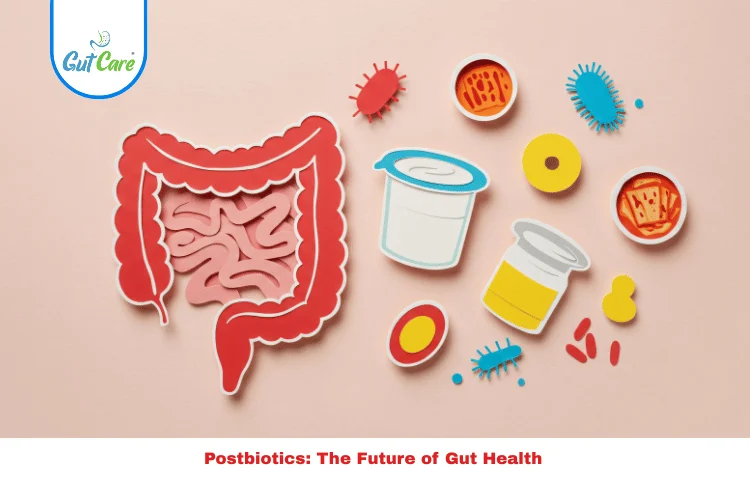
In recent years, postbiotics have emerged as one of the most talked-about topics in gut health. Unlike probiotic , which are live bacteria, Microbial metabolites are the beneficial by-products produced during bacterial fermentation such as enzymes, peptides, vitamins, and short-chain fatty acids like butyrate. Today, global experts consider postbiotic a breakthrough because they offer the benefits of probiotic with greater stability, safety, and effectiveness.
At Gutcare Clinics, digestive health specialists have observed a rising interest in postbiotic-based treatment approaches. Under the guidance of Dr. Yuvrajsingh Gehlot, many patients are now adopting Microbial metabolites for their role in strengthening the gut barrier and supporting long-term digestive wellness. As research grows, postbiotics are becoming a trusted, natural tool for improving gut health.
How Postbiotics Support Healthy Digestion
One of the most important functions of postbiotics is their direct impact on the health of the gut lining. Short-chain fatty acids (SCFAs), especially butyrate, act as a primary energy source for intestinal cells, helping repair and maintain the gut barrier. This strengthens the digestive tract and reduces irritation, sensitivity, and discomfort.
Microbial metabolites also help regulate gut flora balance, ensuring smoother digestion. Individuals who frequently experience bloating, irregular bowel movements, or slow digestion often notice improvement when their body produces more postbiotic .
At Gutcare Clinics, doctors recommend diet and lifestyle changes to naturally boost postbiotic production. As Dr. Yuvrajsingh Gehlot explains, postbiotics support immunity, reduce inflammation, and improve digestion—making them essential for anyone seeking long-term digestive comfort.
Difference Between Probiotics and Postbiotics
Understanding the difference helps simplify gut care:
- Probiotics: Live, beneficial bacteria we consume.
- Prebiotics: The dietary fiber that feeds these bacteria.
- Postbiotics: The powerful compounds produced after probiotics digest fiber.
This process is part of what makes Postbiotic more predictable. They don’t depend on survival through digestion, temperature, or stomach acid. They act directly and consistently, making them a valuable option for gut-sensitive individuals.
Gutcare Clinics uses this distinction to guide patients who may not tolerate traditional probiotic supplements.
Benefits of Postbiotics
The benefits of postbiotics extend across several areas of gut and immune health. Some of the most important include:
1. Strengthening the Gut Lining
The colon depends on short-chain fatty acids especially butyrate to stay strong. Butyrate is one of the key Postbiotics, and it supports the cells that protect the intestine.
2. Supporting Immune Balance
Microbial metabolites interact with immune cells directly, helping maintain a healthy response to everyday triggers.
3. Reducing Gut Inflammation
Chronic digestive irritation often improves when the gut barrier is stronger. Postbiotic compounds help calm the gut environment.
4. More Stability and Safety
Since Postbiotics are not alive, they work consistently and have a longer shelf life. Patients with sensitive digestive systems may tolerate them better.
5. Supporting Microbiome Balance
They help keep harmful bacteria under control while encouraging healthy microbes to grow.
Gutcare Clinics emphasizes these benefits during treatment planning, especially for patients with fluctuating digestion or recurrent discomfort.
Postbiotics for Gut Health
The rising interest in using Postbiotic for gut health is one reason this topic has become a major trend. They support the digestive process, nourish the colon, and help maintain microbial balance. Under Dr. Yuvrajsingh Gehlot, Gutcare Clinics integrates these insights into personalized treatment plans.
Patients with issues like bloating, irregular bowel habits, or digestive sensitivity often see improvement after focusing on postbiotic-rich dietary strategies.
Role of Postbiotics in Digestion
One of the most important roles of Postbiotic is supporting smooth and efficient digestion. They help with:
- Breaking down complex carbohydrates
- Supporting nutrient absorption
- Maintaining gut pH balance
- Enhancing gut-brain communication
- Keeping digestion regular
This makes them essential for maintaining consistent digestive comfort. Gutcare Clinics highlights these functions during nutrition counselling sessions.
Natural Ways to Boost Postbiotics
You don’t always need supplements your body can naturally create Postbiotic if it receives enough fiber and whole foods. Gutcare Clinics recommends:
High-Fiber Foods
- Oats
- Whole grains
- Legumes
- Apples
- Bananas
- Vegetables
Fermented Foods
While probiotic in fermented foods help, the fiber in your diet ensures those Microbial metabolites produce Postbiotics effectively.
Hydration
Water helps digestion work smoothly and supports the production of short-chain fatty acids.
Balanced Diet Plans
Under the care of Dr. Yuvrajsingh Gehlot, patients receive personalized plans that increase natural postbiotic formation for long-term wellness.
What Are the Newest Trends in Gut Health?
Gut health science is expanding quickly. Some of the major trends include:
- Targeted use of Postbiotics in therapy
- Precision nutrition based on microbiome tests
- Foods designed to increase short-chain fatty acids
- Evidence-based digestive supplements
- Stronger focus on the gut-immune connection
- Diets built around fiber quality, not quantity
Gutcare Clinics stays updated with these trends to ensure patients receive current, scientifically supported guidance.
Summary
Postbiotic are a powerful and promising way to improve digestive wellness. With their roles in strengthening the gut lining, supporting immunity, and improving digestion, they are becoming a preferred option for many people. Gutcare Clinics ensures patients understand how to naturally increase these compounds and use them safely under expert supervision from Dr. Yuvrajsingh Gehlot. If symptoms continue or worsen, consulting a professional remains the safest decision.
FAQs
1. What are postbiotics and how do they support digestion?
Postbiotic are beneficial compounds created by gut bacteria, and they help strengthen the gut lining, support digestion, and improve overall gut function.
2. What is the difference between probiotics and postbiotics?
Microbial metabolites are live bacteria, while postbiotics are the helpful compounds they produce. Postbiotics work directly and do not require bacterial survival to be effective.
3. Are postbiotics safe for daily use?
Yes, because they are non-living, postbiotic are stable and generally well tolerated.
4. How can I naturally boost postbiotics?
You can increase them through fiber-rich foods, fermented foods, proper hydration, and balanced nutrition.
5. Does Gutcare Clinics recommend postbiotics for gut health?
Yes. Gutcare Clinics, led by Dr. Yuvrajsingh Gehlot, often includes postbiotic-focused strategies in personalized treatment plans.