
If you often deal with bloating, irregular digestion, or discomfort after meals, you’re not alone. Many people today struggle with gut-related concerns due to busy lifestyles and inconsistent eating habits. This is where the discussion around probiotics vs prebiotics becomes important, as both play a key role in improving your digestive system.
Understanding probiotics vs prebiotics can help you make better choices for your daily nutrition and overall wellness. While both support your gut, they work differently, and knowing when to use each can make a noticeable difference. At Gutcare Clinics in Bangalore, specialists focus on personalized digestive health solutions that help you restore balance naturally and effectively .
“ Choose smarter for your gut health with balanced nutrition support. book consultation today “
Understanding Probiotics vs Prebiotics: The Basics
Before comparing probiotics vs prebiotics, it helps to understand what each one actually is and what role it plays in your digestive system.
What Are Probiotics?
Probiotics are live, beneficial microorganisms that, when consumed regularly, support the balance of your gut. Think of them as helpful residents of your digestive system. They naturally exist in certain fermented foods and can also be taken as supplements. When your gut balance is disrupted, such as after a period of poor diet or illness, probiotics help restore things to a healthier state.
Common probiotic food sources that are familiar and accessible in Bangalore include plain curd, buttermilk, homemade fermented foods such as idli and dosa batter, and traditional kanji. These are among the most natural and effective ways to bring probiotics into your daily diet.
What Are Prebiotics?
Prebiotics are not living organisms. They are a type of dietary fibre that your body cannot digest, but that serves as food for the beneficial microorganisms already living in your gut. In the probiotics vs prebiotics comparison, think of prebiotics as the fuel that keeps your existing gut residents healthy and active.
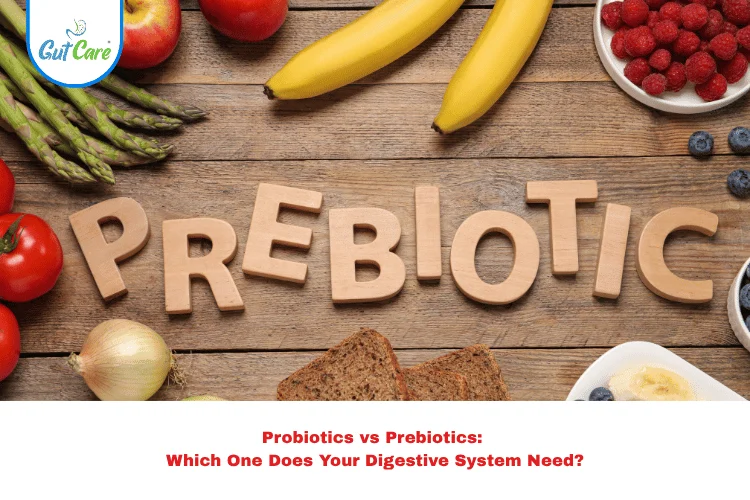
Prebiotic-rich foods that are part of everyday cooking in Indian households include onions, garlic, bananas, oats, lentils, and chickpeas. These foods feed the beneficial microorganisms in your gut and help them thrive over the long term.
Probiotics vs Prebiotics: How Each One Benefits Your Gut
When looking at probiotics vs prebiotics side by side, both play an important role in digestive health, but they do so in different ways and are most useful in different situations.
The Benefits of Probiotics
Probiotics are particularly helpful when your gut balance has been disrupted and needs to be restored. Their benefits include:
• Helping to restore a healthy gut balance after a period of poor diet or illness
• Reducing bloating and discomfort, particularly for people with sensitive digestion
• Supporting the body during and after a course of certain medicines by replenishing beneficial microorganisms
• Contributing to a more regular and comfortable bathroom routine over time
• Supporting the body’s natural defences, which are closely linked to gut health
Read our in-depth guide: Probiotics for Gut Health at Gutcare Clinics
The Benefits of Prebiotics
Prebiotics work more gradually but are fundamental to long-term gut health. They provide sustained benefits by:
• Feeding and supporting the beneficial microorganisms already present in your gut
• Helping to maintain a consistent and healthy gut environment over time
• Supporting better digestion and reducing the frequency of bloating and gas
• Improving the absorption of nutrients, which supports energy levels and overall wellbeing
• Contributing to a more stable and comfortable digestive routine when consumed regularly
Explore our complete guide: Prebiotics for Gut Health at Gutcare Clinics
Probiotics vs Prebiotics: Which One Do You Actually Need?
This is the practical question most people are really asking when they search probiotics vs prebiotics. The honest answer is that it depends on your individual situation, your current symptoms, and your overall dietary habits.
Choose Probiotics When
• Your digestion has recently been disrupted by illness, a change in diet, or a course of medicines
• You are experiencing frequent bloating, gas, or a sudden change in your bathroom routine
• Your diet does not currently include many naturally fermented foods
• You want to actively restore your gut balance rather than simply maintain it
Choose Prebiotics When
• You want to support your long-term gut health through consistent daily habits
• Your diet is already reasonably balanced but could benefit from more fibre-rich foods
• You are looking for a gradual and sustainable approach to improving your digestion
• You want to maintain the gut balance that probiotics have helped to restore
For many people, the most effective approach to probiotics vs prebiotics is not choosing one over the other but including both as part of a consistent healthy gut diet. A daily portion of plain curd alongside a meal that includes oats, garlic, onions, or lentils covers both bases naturally without the need for supplements at all.
Natural Food Sources of Probiotics vs Prebiotics
One of the most reassuring aspects of the probiotics vs prebiotics conversation is that you do not necessarily need expensive supplements to benefit from either. Many of the most effective sources are already part of everyday meals across Bangalore and wider India.
Best Probiotic Food Sources
• Plain curd or dahi: the single most accessible and effective probiotic food in the Indian diet
• Buttermilk: light, easy to digest, and a traditionally used post-meal digestive support
• Fermented idli and dosa batter: a staple of South Indian cooking that naturally provides probiotic benefits
• Homemade pickle in small amounts: a traditional source of beneficial cultures
Best Prebiotic Food Sources
• Garlic and onions: among the most potent naturally available prebiotic foods
• Banana: easily available, gentle on the stomach, and a reliable daily prebiotic source
• Oats: an excellent breakfast choice that feeds your gut microorganisms consistently
• Lentils and chickpeas: a staple of Indian cooking and one of the best natural prebiotic sources available
• Sweet potato and ripe banana are also well-recognised and easy-to-include prebiotic options
Building your meals around these ingredients is one of the most practical digestive health tips you can follow. It supports your gut health every single day without requiring any significant lifestyle changes.
Want daily habit guidance that makes a real difference to your gut? Read our practical guide: Gut Health Tips: Daily Habits That Work
Role of Supplements in Gut Health
Sometimes, diet alone may not be enough. Gut health supplements can help in such cases.
- Probiotic supplements provide targeted bacterial strains
- Prebiotic supplements support bacterial growth
- Best probiotics for digestion should be chosen based on your needs
However, supplements can be useful in specific situations, especially when considering probiotics vs prebiotics: if your diet is very restricted, if you are recovering from a significant gut disruption, or if a specialist has recommended them for your particular situation. If you are considering supplements, it is always worth discussing this with a gastroenterologist in Indiranagar rather than self-selecting products, as not all options are equally appropriate for every person.
A Patient’s Experience: Clarity Through the Right Guidance
Priya, a 32-year-old professional from Bangalore, had been taking a probiotic supplement for three months without noticing much improvement in her persistent bloating. After a consultation with Dr. Yuvraj Singh Gehlot at Gutcare Clinics in Indiranagar, she understood that her diet was very low in prebiotic foods, which meant the probiotics had very little to work with. A simple dietary adjustment to include more oats, garlic, and lentils alongside her daily curd brought noticeable improvement within three weeks. “I had completely overlooked the prebiotics side,” she said. “Now I actually understand how my gut works.”
Priya’s experience highlights one of the most important takeaways from the probiotics vs prebiotics conversation: both matter, and understanding how they work together is often more valuable than choosing one over the other.
Probiotics vs Prebiotics: Both Have a Place in Your Gut Health Journey
The probiotics vs prebiotics question does not have a single right answer because both have a genuine and valuable role to play in your digestive health. Probiotics help restore and maintain a healthy gut balance, while prebiotics provide the daily nourishment that keeps your gut functioning well over time. Together, through food, they form the foundation of a genuinely healthy gut diet.
If you have been dealing with persistent digestive concerns and are not sure whether probiotics vs prebiotics, diet changes, or specialist care is the right next step, the team at Gutcare Clinics in Indiranagar, Bangalore is here to help. Our digestive health specialists bring both clinical expertise and genuine warmth to every consultation.
Book Your Gut Health Consultation at Gutcare Clinics, Bangalore
Find us here: Gutcare Clinics, Indiranagar, Bangalore | Dr. Yuvraj Singh Gehlot, Digestive Health Specialist
Frequently Asked Questions
1. Can I take probiotics and prebiotics at the same time?
Yes, and for many people this is the most effective approach. Consuming both together, as you naturally would with a meal of curd alongside fibre-rich food, means the probiotics benefit from the prebiotic fuel available to them.
2. How long does it take to notice a difference?
Most people notice improvement in their digestive comfort within two to four weeks of consistently including either in their diet. Results depend on how significant your dietary shift is and how your individual gut responds.
3. Are natural foods better than supplements?
Natural foods are always a great starting point. Supplements can be added when needed based on your condition.
4. Do probiotics help with bloating?
Yes, probiotics can help reduce bloating by improving gut bacteria balance and digestion efficiency.
5. When should I see a specialist rather than managing with diet alone?
If your digestive symptoms have persisted for more than three to four weeks despite dietary changes, or if they are affecting your daily life significantly, a proper assessment by a gastroenterologist is the right step. Diet is foundational but not always sufficient on its own.