Many people working desk jobs often wonder whether sitting for long hours cause piles and if their daily routine could be affecting their health. This concern is valid because prolonged sitting places continuous pressure on the lower body and reduces natural movement. Over time, this pressure can affect circulation and bowel habits. Understanding how sitting for long hours cause piles helps office workers take timely steps to protect their comfort and wellbeing. When ignored, this lifestyle pattern may slowly lead to symptoms that interfere with daily life and work productivity.
” Sitting all day? Don’t ignore the signs. Move smart. Eat right. Get expert care early.“
Understanding Piles and How They Develop
Piles develop when veins around the rectal area become swollen due to pressure. This pressure can result from straining, poor bowel habits, or reduced movement. Many office workers unknowingly create these conditions through long sitting hours, irregular meals, and limited physical activity.
How ContinuousSitting Affects Rectal Health
Continuous sitting slows blood flow in the lower body. When circulation decreases, veins experience strain, increasing the chance that sitting for long hours cause piles. Lack of movement also delays digestion, making bowel movements harder and uncomfortable.
Can Sitting for Long Hours Cause Piles? The Medical Explanation
Medical studies show that sitting for long hours cause piles by increasing pressure in the rectal veins. Remaining seated for extended periods prevents natural muscle movement that supports healthy digestion. Over time, this creates repeated stress on the area, leading to discomfort.
How Sitting for Long Hours Increases the Risk of Piles
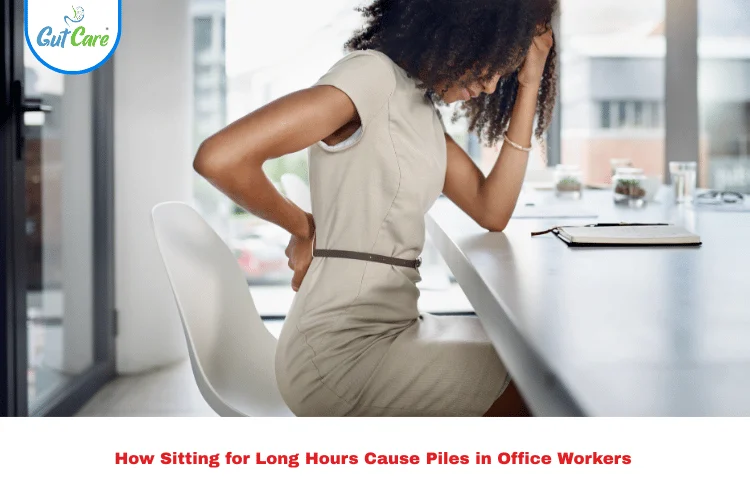
Office workers and people with sedentary lifestyles are particularly prone to developing piles (hemorrhoids). Sitting for extended periods puts constant pressure on the veins in the rectal and anal area, reducing blood circulation and causing them to swell. Additionally, long hours of inactivity often lead to constipation or straining during bowel movements, which further aggravates the risk. Understanding this connection is the first step in preventing discomfort and maintaining digestive health.
Desk jobs often limit movement, stretching, and posture changes, creating a sedentary lifestyle. Prolonged sitting puts constant pressure on the rectal veins, increasing the risk of piles. This risk is further heightened by dehydration, low fiber intake, and poor eating habits common in office environments. Regular breaks and healthy habits can help reduce this risk. At Gutcare Clinics in Bangalore, specialists frequently guide office workers on lifestyle adjustments and preventive care to reduce pressure on rectal veins and support long-term digestive health.
Ergonomic Tips to Prevent Piles at the Workplace
Creating a supportive work environment can reduce the risk of piles. Using an ergonomic chair with proper cushioning and lumbar support helps distribute weight evenly and reduces pressure on the rectal area. Adjusting your desk height, using footrests, and practicing good posture also contribute to better blood flow. Additionally, taking short walking or stretching breaks every hour keeps circulation active and lowers the strain that leads to piles. Combining ergonomic solutions with healthy lifestyle habits provides the best protection for office workers.
How Lack of Physical Activity Worsens Piles
Regular movement supports bowel regularity. Without it, digestion slows, stools harden, and strain increases another reason sitting for long hours cause piles among office professionals.
Can Sitting for Long Hours Cause Piles? What Office Workers Should Know
Yes, sitting for long hours can increase the risk of piles, especially for office workers who spend most of their day seated.
Prolonged sitting puts constant pressure on the rectal veins, reducing blood circulation in the pelvic area. Over time, this pressure can cause the veins to swell and lead to piles. Office workers are also more prone to constipation due to physical inactivity, irregular meal timings, and low fiber intake, which further increases the risk. Taking short movement breaks, using ergonomic seating, staying hydrated, and eating fiber-rich foods can help prevent piles and support better digestive health.
Diet Habits That Increase Piles Risk in Office Workers
- Low-fiber meals – Can slow digestion and lead to constipation.
- Excess processed or junk foods – Make digestion sluggish and uncomfortable.
- Insufficient water intake – Leads to harder stools and increased straining.
- Prolonged sitting – Combined with poor diet, it puts extra pressure on rectal veins.
- Skipping meals or irregular eating schedules – Disrupts digestion and bowel regularity.
- Relying on quick snacks instead of balanced meals – Worsens digestive health.
- Prevention tips – Eat fiber-rich foods, stay hydrated, and maintain regular meal timings to reduce piles risk.
Simple Lifestyle Changes to Prevent Piles
Making small but consistent lifestyle changes can significantly reduce the risk of piles, especially for people who sit for long hours. Standing up or stretching every 30 minutes helps relieve pressure on the rectal veins and improves blood circulation. Drinking enough water keeps stools soft and prevents constipation. Adding fiber-rich foods such as fruits, vegetables, and whole grains supports healthy digestion.
Taking short walks during work breaks further reduces pressure buildup. Together, these steps help prevent the strain and pressure that prolonged sitting can cause, lowering the risk of piles.
Home Care Tips for Early Piles Symptoms
- Warm water baths
- Balanced meals
- Gentle daily activity
- Proper posture at work
Early care can ease symptoms before sitting for long hours cause piles to worsen.
Treatment Options for Piles Caused by Continuous Sitting
When symptoms persist, professional care becomes essential. Treatments focus on reducing swelling, improving bowel habits, and restoring comfort especially if sitting for long hours cause piles repeatedly.
Preventing Piles While Working Long Office Hours
- Use ergonomic chairs – Supports proper posture and reduces pressure on rectal veins.
- Maintain correct posture – Helps improve blood circulation and prevent strain.
- Take scheduled movement breaks – Standing or stretching every 30–60 minutes relieves pressure.
- Practice mindful eating habits – Include fiber-rich foods and stay hydrated to support digestion.
- Overall benefit – These habits protect long-term health and reduce the risk of piles caused by prolonged sitting.
These habits protect long-term health and reduce the risk that sitting for long hours cause piles.
Expert Care and Guidance
At Gutcare Clinics in Bangalore, patients receive specialized care for digestive and colorectal concerns. Under the guidance of Dr. Yuvrajsingh Gehlot, colorectal surgeon, treatment plans focus on comfort, prevention, and recovery. Gutcare Clinics emphasizes lifestyle guidance, gentle diagnosis, and patient-friendly care. Many office workers turn to Gutcare Clinics when lifestyle changes alone are not enough. With timely support, symptoms linked to sitting for long hours cause piles can be managed effectively.
Conclusion
So, sitting for long hours cause piles is not just a question it’s a reality for many office workers. Early awareness, daily movement, and proper care make a lasting difference. When symptoms continue, professional guidance ensures safe and effective recovery.
FAQs
1. Can sitting for long hours cause piles even in young adults?
Yes, prolonged sitting affects circulation and digestion regardless of age.
2. How often should office workers stand to prevent piles?
Standing or walking every 30 minutes supports healthy blood flow.
3. Can diet alone prevent piles caused by sitting?
Diet helps, but movement is equally important.
4. When should I consult a doctor for piles symptoms?
If discomfort continues despite lifestyle changes.
5.Does sitting for long hours cause piles?
Yes, prolonged sitting increases pressure on the rectal veins and reduces blood circulation, which can contribute to the development of piles, especially when combined with low activity and constipation.