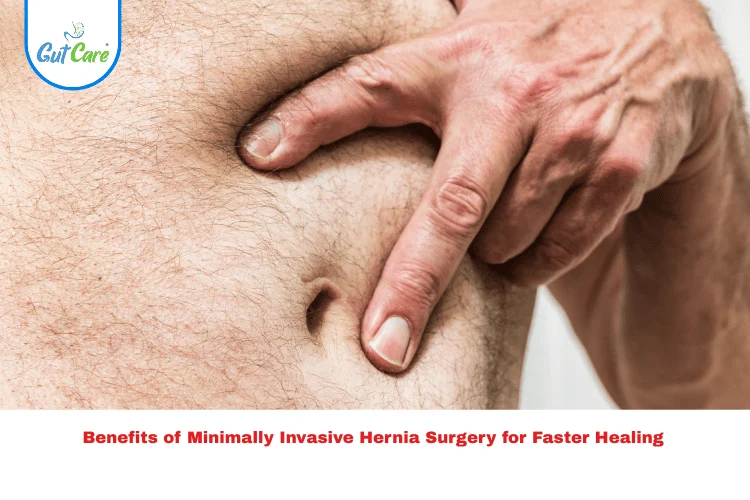

An umbilical hernia is a common condition that appears as a soft bulge near the belly button. It happens when part of the intestine or fatty tissue pushes through a weak spot in the abdominal muscles. Many people ignore early signs, assuming it is harmless. While some cases remain mild, others may worsen if left untreated. Recognizing the symptoms early and seeking timely medical advice can prevent complications and ensure safer recovery.
“ Don’t wait for pain to get worse. Notice a bulge? Get it checked today. Book your consultation now and protect your health.”
What Is an Umbilical Hernia?
An umbilical hernia develops when there is a weakness in the abdominal wall near the navel. This weak area allows tissue to protrude outward, forming a noticeable lump. It can occur in both children and adults. In babies, it often closes naturally as muscles strengthen. In adults, however, it may require medical attention, especially if it causes pain or increases in size.
This condition is more common in individuals who experience repeated abdominal strain. Though it may not always cause discomfort, monitoring changes is important.
Common Causes
Several factors can contribute to the development of an umbilical hernia:
- Increased abdominal pressure
- Obesity or sudden weight gain
- Pregnancy
- Chronic coughing
- Constipation and straining
- Heavy lifting
When pressure builds repeatedly, the muscle wall weakens over time. Adults who have undergone previous abdominal surgery may also have a higher risk.
Signs and Symptoms You Should Never Ignore
The most noticeable sign of an umbilical hernia is a visible bulge near the belly button. However, there are other warning signs:
- Swelling that becomes more visible while coughing or bending
- Mild to moderate pain near the navel
- A feeling of pressure in the abdomen
- Tenderness when touched
If the bulge becomes hard, painful, or cannot be pushed back gently, it requires immediate evaluation.
Umbilical Hernia in Adults vs Babies
In infants, an umbilical hernia is usually painless and often closes on its own by age two. Parents should monitor the size and consult a pediatrician if it enlarges.
In adults, the condition rarely resolves without treatment. It may gradually increase in size and cause discomfort during daily activities. Adult cases are more likely to require surgical repair.
When Does an Umbilical Hernia Become Dangerous?
An umbilical hernia becomes serious if the trapped tissue loses blood supply. Warning signs include:
- Sudden severe pain
- Redness around the bulge
- Nausea or vomiting
- Fever
These symptoms indicate a medical emergency. Early diagnosis prevents complications and ensures better outcomes.
Diagnosis of Umbilical Hernia
Doctors usually diagnose an umbilical hernia through a physical examination. In some cases, ultrasound or imaging tests are recommended to assess the size and contents of the hernia. Early diagnosis helps determine whether monitoring or surgery is the best option.
Treatment Options for Umbilical Hernia
Treatment depends on age, symptoms, and severity. Small, painless cases may be observed. However, surgery is often recommended for adults.
Options include:
- Open hernia repair
- Laparoscopic repair
- Mesh reinforcement for stronger support
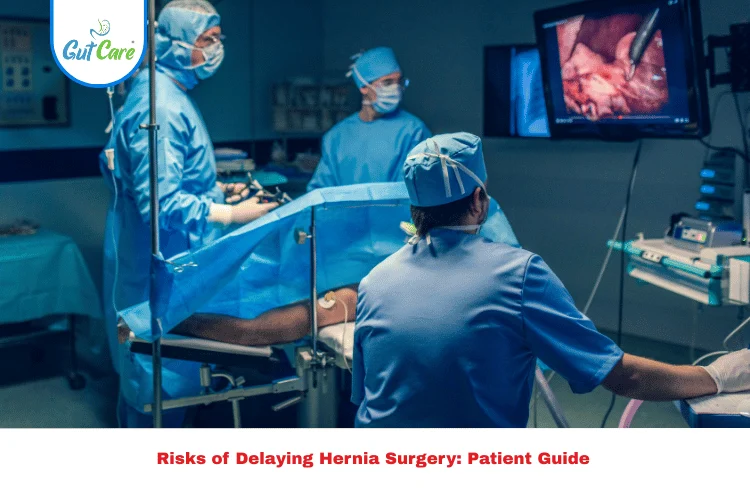
Modern surgical techniques are safe and minimally invasive. Recovery is generally smooth when performed by an experienced specialist.
After understanding the importance of expert care, many patients in Bangalore choose Gutcare Clinics for advanced digestive and abdominal treatments. The clinic is known for its patient-focused approach and modern surgical care.
Recovery After Umbilical Hernia Surgery
Most patients return home the same day after surgery. Mild discomfort may last a few days. Doctors usually advise:
- Avoid heavy lifting for 4–6 weeks
- Maintain a healthy diet
- Follow prescribed medications
- Attend follow-up appointments
At Gutcare Clinics, recovery guidance is structured and personalized to ensure faster healing and minimal recurrence risk.
Prevention Tips and Lifestyle Changes
While not all cases can be prevented, you can reduce risk by:
- Maintaining a healthy body weight
- Avoiding sudden heavy lifting
- Treating chronic cough
- Managing constipation
- Strengthening abdominal muscles safely
Regular health check-ups with a qualified colorectal surgeon can also help detect early signs before complications arise.
Expert Care Matters
For patients seeking specialized care, Dr. Yuvrajsingh Gehlot, an experienced colorectal surgeon, focuses on safe and effective abdominal wall treatments. Timely consultation ensures the right treatment plan and prevents long-term discomfort.
In Bangalore, Gutcare Clinics continues to support patients with advanced laparoscopic procedures and compassionate care, helping individuals regain comfort and confidence.
Conclusion: Don’t Ignore the Warning Signs
An umbilical hernia may begin as a small, painless bulge, but ignoring it can lead to complications. Understanding symptoms, seeking early diagnosis, and choosing expert treatment can make a significant difference. If you notice persistent swelling or pain near your belly button, do not delay medical advice. Proper evaluation ensures safety and peace of mind.
FAQs
1. What causes an umbilical hernia in adults?
An umbilical hernia in adults is usually caused by increased abdominal pressure due to obesity, pregnancy, or heavy lifting.
2. Can an umbilical hernia heal without surgery?
In babies, it may close naturally. In adults, surgery is often needed to repair the umbilical hernia permanently.
3. Is umbilical hernia surgery safe?
Yes, modern surgical techniques make umbilical hernia repair safe with minimal recovery time.
4. How long does recovery take after umbilical hernia surgery?
Most people recover within a few weeks, but heavy activities should be avoided for about a month.
5. Where can I get treatment for umbilical hernia in Bangalore?
You can consult specialists at Gutcare Clinics in Bangalore for expert evaluation and advanced surgical care.