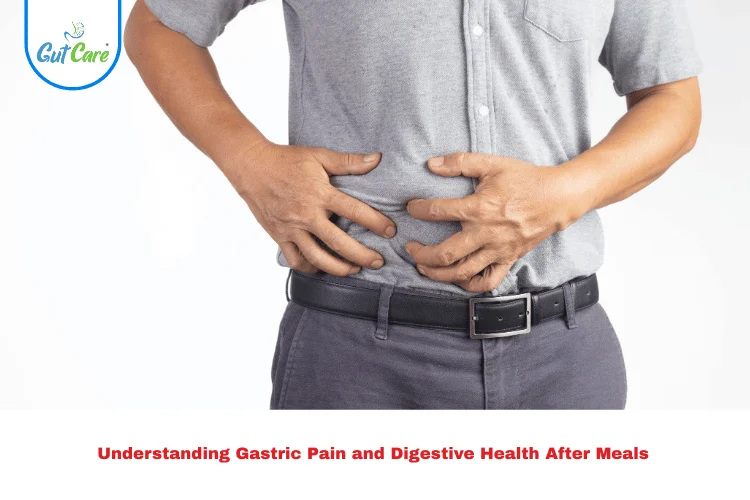

Abdominal Cramping is one of the most common digestive complaints people experience, yet many don’t know what it truly means or how to manage it correctly. At Gutcare Clinics in Bangalore, patients often visit with concerns about repeated cramps, discomfort, and unclear symptoms. Under the guidance of experienced colorectal surgeon Dr. Yuvrajsingh Gehlot, the clinic evaluates each case with precision to find the underlying cause and provide the right treatment. Understanding Abdominal Cramping early helps prevent complications and ensures better digestive health.
“ Start your journey to pain-free digestion with expert care at Gutcare Clinics”
What Does Abdominal Cramping Really Mean?
Abdominal Cramping refers to a tightening, pulling, or squeezing sensation in the belly area. It may occur suddenly or develop gradually. It can be mild and short-lived or persistent and uncomfortable.
At Gutcare Clinics, doctors explain that cramping is usually the body’s response to changes in digestion, irritation, inflammation, or muscle contractions in the intestines.
Common sensations include:
- Tightness or pressure in the abdomen
- Sharp or dull aching
- Intermittent waves of discomfort
- Cramping after meals or during bowel movements
Identifying the pattern of Cramping helps determine its cause and the right treatment.
Common Causes of Abdominal Pain and Cramping
Several everyday reasons can trigger Abdominal Cramping, and understanding these helps manage symptoms better.
1. Gas and Bloating
Excess gas stretches the intestinal walls and leads to cramp-like pain.
2. Indigestion
Eating too fast, overeating, or consuming spicy foods may irritate the stomach.
3. Constipation
Hard stools cause strain and trigger abdomen Cramping frequently.
4. Food Intolerance
Some people react to dairy, gluten, or certain processed foods.
5. Stress and Anxiety
Stress affects gut muscles and digestion, causing frequent cramping episodes.
The team at Gutcare Clinics often sees patients whose cramps improve once the root cause is identified.
Common Medical Causes of Abdominal Cramping
Sometimes Abdominal Cramping is due to underlying medical issues that require professional evaluation.
Inflammatory Bowel Conditions
These can cause recurring cramps, loose stools, or bloating.
Infections
Bacterial or viral infections may cause pain, nausea, and cramping.
Irritable Bowel Patterns
Certain lifestyle habits can make the intestines extremely sensitive.
Digestive System Imbalance
Poor gut health or changes in intestinal bacteria may also trigger abdomen Cramping.
A qualified expert like Dr. Yuvrajsingh Gehlot, colorectal surgeon at Gutcare Clinics, performs detailed assessments to identify the exact reason behind persistent symptoms.
Symptoms That Accompany Cramping
Symptoms that commonly accompany Abdominal Cramping include:
- Bloating
- Gas
- Indigestion
- Changes in bowel habits
- Mild nausea
- Discomfort after meals
If symptoms become frequent, it’s best to consult a specialist at Gutcare Clinics for timely care.
Medical Treatments for Abdominal Cramping: What Doctors May Recommend
Treatment varies depending on the cause. At Gutcare Clinics, doctors follow a step-by-step approach:
1. Medication Support
Mild cases may require antispasmodics, digestive enzymes, or probiotics.
2. Hydration Therapy
Dehydration can worsen Abdomen Cramping, so restoring fluid balance helps.
3. Treatment for Infections
If bacteria or parasites are present, targeted medication is prescribed.
4. Gut Regulation
Fiber supplements, stool softeners, or gut-balancing therapies may be used.
5. Dietary Adjustments
A personalized eating pattern helps reduce frequent Abdomen Cramping episodes.
6. Advanced Care
In persistent or severe cases, specialists like Dr. Yuvrajsingh Gehlot evaluate underlying bowel issues.
Medical guidance is essential when cramps recur or affect daily life.
Lifestyle Changes to Prevent Frequent Abdominal Cramping
Healthy habits play a major role in preventing Abdominal Cramping. Experts at Gutcare Clinics recommend:
- Eating smaller, balanced meals
- Drinking enough water
- Avoiding excessive caffeine and processed foods
- Managing stress with simple relaxation practices
- Staying physically active
- Maintaining regular eating times
When practiced consistently, these habits significantly reduce digestive discomfort.
Diet Tips for Reducing Recurring Abdominal Cramping
Your diet directly influences Abdominal Cramping, and the following tips help improve gut comfort:
Fiber First
Include more vegetables, fruits, and whole grains.
Avoid Trigger Foods
Spicy, oily, and acidic foods may worsen symptoms.
Eat Slowly
Proper chewing reduces the effort your digestive system must make.
Probiotic-Rich Foods
Curd, fermented foods, and buttermilk support gut balance.
Hydration
Water keeps digestion smooth and prevents cramping related to constipation.
The nutrition team at Gutcare Clinics often personalizes diet plans for individuals.
When to Worry About Abdominal Pain and Cramping?
- Lasts more than a few days
- Is severe
- Interferes with daily activity
- Occurs with fever or persistent vomiting
- Causes sudden digestive changes
it’s important to seek medical advice. At Gutcare Clinics, early diagnosis helps prevent long-term issues.
When to Seek Help
While occasional abdominal cramping is common, certain signs indicate it’s time to seek medical attention. If the cramping becomes frequent, severe, or is accompanied by symptoms like vomiting, fever, rectal bleeding, or unexpected weight loss, it may point to an underlying condition that needs expert evaluation. Cramping that disrupts daily activities or persists despite basic dietary changes should not be ignored. Symptoms such as pain after meals or changes in bowel habits also require prompt attention. At Gutcare Clinics, Dr. Yuvrajsingh Gehlot provides thorough assessment and guidance to help identify the cause early and prevent further complications.
Conclusion
Understanding Abdominal Cramping and its causes helps you manage symptoms more confidently. While many cases improve with diet, hydration, and lifestyle changes, persistent discomfort requires expert evaluation. At Gutcare Clinics in Bangalore, colorectal surgeon Dr. Yuvrajsingh Gehlot provides detailed guidance and personalized treatment plans to help patients achieve long-term digestive comfort.
If your symptoms don’t improve or repeatedly disrupt daily life, seeking timely care ensures better recovery and peace of mind.
Frequently Asked Questions (FAQs)
1. What causes Abdominal Cramping most commonly?
Common causes of Abdominal Cramping include gas, constipation, indigestion, and food intolerance.
2. When should I see a doctor for Abdominal Cramping?
If Abdominal Cramping lasts for days or affects daily activities, medical evaluation is recommended.
3. How can I relieve Abdomen Cramping at home?
Heat compresses, hydration, light meals, and rest help reduce Abdominal Cramping.
4. Does Gutcare Clinics treat Abdominal Cramping?
Yes, Gutcare Clinics provides expert assessments for Abdominal Cramping under Dr. Yuvrajsingh Gehlot.
5. Can diet changes reduce Abdominal Cramping?
Yes, choosing fiber-rich foods, avoiding triggers, and drinking water regularly can reduce Abdominal Cramping.