
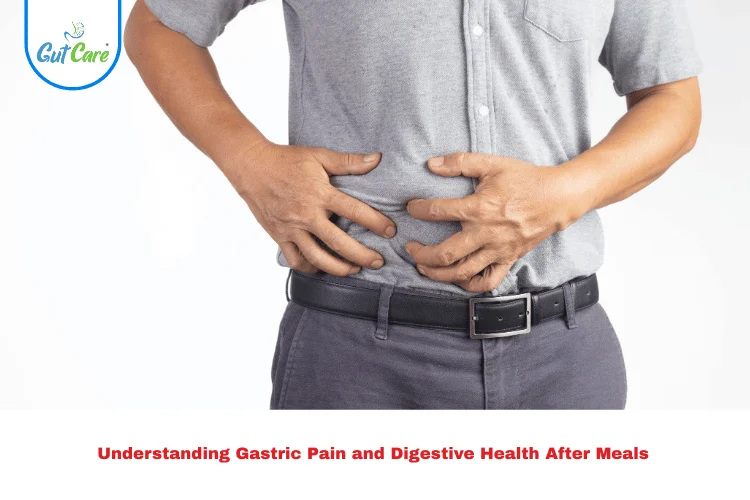
Feeling stomach pain soon after a meal can be unpleasant and sometimes worrying. Many people experience discomfort in the upper abdomen after eating, which may feel like burning, pressure, or cramping. For some individuals it happens occasionally, while others notice it frequently after meals. This type of discomfort is often related to how the digestive system processes food.
Several factors can influence digestion, including eating habits, the type of food consumed, stress levels, and daily lifestyle patterns. When these factors disturb the digestive balance, the stomach lining may become irritated, leading to gastric pain. Understanding the possible causes of this discomfort can help people make better dietary choices and maintain healthier digestive habits.
“ Experiencing stomach discomfort after meals? Consult a digestive specialist today.”
Understanding the Digestive Process
Digestion is a complex process that begins the moment food enters the mouth. The body gradually breaks food into nutrients that provide energy and support essential bodily functions. Multiple organs are involved in this process, including the stomach, liver, pancreas, and intestines.
The stomach plays a key role by releasing digestive acids and enzymes that break down food particles. If the balance of acid and digestive activity is disrupted, irritation may occur in the stomach lining. This irritation can result in discomfort or pain shortly after eating.
What Gastric Pain Feels Like
Gastric pain is usually felt in the upper part of the abdomen. People may describe it as a burning sensation, tightness, or sharp pain that appears after meals. In some cases, the discomfort may also be accompanied by bloating, nausea, or an unusual feeling of fullness.
The intensity of the pain can vary. Some individuals may feel only mild discomfort that disappears quickly, while others experience stronger pain that affects their daily routine. The timing of the pain can also vary, appearing immediately after eating or gradually developing as digestion progresses.
Common Causes of Gastric Pain After Eating
There are several everyday reasons why gastric pain may occur following a meal. Often, the cause is related to dietary habits or digestive imbalance.
Some common triggers include:
- Eating very quickly or consuming large portions
- Frequently eating spicy or oily foods
- Increased stomach acid production
- Irregular meal schedules
- Stress that interferes with digestion
When these factors disturb the digestive system, the stomach may react with irritation, leading to pain or discomfort.
Foods That May Trigger Stomach Discomfort
Certain types of food can irritate the stomach lining and worsen digestive discomfort in sensitive individuals. Regular consumption of these foods may increase the chances of gastric irritation.
Foods that may contribute to stomach discomfort include:
- Deep-fried or greasy meals
- Very spicy dishes
- Caffeinated drinks such as coffee
- Highly processed snack foods
- Carbonated beverages
These foods may stimulate excess acid production or slow digestion, which can lead to gastric pain after meals.
Additional Symptoms That May Occur
Along with gastric pain, people may notice several other digestive symptoms. These signs usually indicate that the stomach is having difficulty processing food.
Common associated symptoms include:
- Bloating or abdominal fullness
- Mild nausea
- Excess gas or burping
- Burning sensation in the stomach
- General abdominal discomfort
While these symptoms are often temporary, frequent episodes may signal an underlying digestive concern.
Gastric Pain vs. Normal Indigestion
Occasional indigestion is common and usually occurs after overeating or consuming heavy meals. In most cases, it resolves on its own within a short time.
However, recurring gastric pain may be different from simple indigestion. If discomfort appears regularly after meals or continues for an extended period, it may indicate a digestive condition that requires medical evaluation.
Recognizing this difference helps individuals decide when to seek professional guidance.
Lifestyle Factors That Affect Digestion
Daily habits have a strong influence on digestive health. Certain lifestyle choices can increase the likelihood of gastric discomfort.
Examples include:
- Skipping meals and eating irregularly
- Not drinking enough water during the day
- High stress levels
- Poor sleep patterns
- Eating heavy meals late at night
Improving these habits can often help reduce digestive irritation and support smoother digestion.
When to Seek Medical Advice
Occasional stomach discomfort may not always require medical attention. However, if gastric pain continues for several days or becomes severe, consulting a healthcare professional is important.
Persistent pain may indicate digestive conditions that require diagnosis and proper management. Early evaluation allows doctors to determine the exact cause and recommend appropriate treatment.
Practical Ways to Reduce Gastric Pain
Simple changes in daily habits can often help manage stomach discomfort after meals.
Helpful practices include:
- Eating smaller meals throughout the day
- Avoiding heavy meals late in the evening
- Drinking sufficient water
- Eating slowly and chewing food properly
- Maintaining a consistent meal schedule
These adjustments can reduce pressure on the digestive system and promote better stomach function.
Diet Choices That Improve Digestive Health
Balanced nutrition plays a vital role in maintaining digestive comfort. Including natural and fiber-rich foods in the daily diet helps support healthy digestion.
Foods such as fruits, vegetables, whole grains, and legumes provide nutrients that promote proper digestive movement. Reducing the intake of fried foods and processed snacks can also help prevent irritation of the stomach lining.
Healthy eating patterns help maintain digestive balance and lower the chances of frequent gastric discomfort.
Digestive Care at Gutcare Clinics
Gutcare Clinics (located in Bangalore) focuses on diagnosing and managing digestive disorders through a comprehensive and patient-focused approach. The clinic uses modern diagnostic techniques such as endoscopy, imaging tests, and nutritional assessments to identify the underlying causes of stomach discomfort.
Their team provides care for conditions such as high acidity, chronic indigestion, and other gastrointestinal concerns. Treatment plans often combine medical evaluation with lifestyle guidance to improve digestive wellbeing.
Diagnostic Methods for Identifying the Cause
To determine the cause of gastric pain, doctors may recommend several diagnostic tests. These tests help evaluate the condition of the digestive organs and identify possible abnormalities.
Common diagnostic procedures include:
- Blood tests to detect infections or inflammation
- Stool tests to assess digestive health
- Endoscopy to examine the stomach lining directly
- Ultrasound scans of the abdomen
- Breath tests to identify bacterial infections such as H. pylori
In some situations, imaging techniques like CT scans or specialized digestive studies may be used for a clearer understanding of the digestive system.
During consultation, Dr. Yuvrajsingh Gehlot carefully evaluates symptoms, medical history, and diagnostic results to guide patients toward suitable treatment and long-term digestive care.
Why Early Diagnosis Matters
Ignoring persistent gastric pain may lead to more serious digestive problems over time. Conditions such as stomach ulcers, chronic gastritis, or acid reflux can develop if symptoms remain untreated.
Early diagnosis allows doctors to identify the root cause and recommend appropriate management strategies. Timely care helps prevent complications and supports better digestive health in the long run.
Conclusion
Gastric pain after eating is often a signal that the digestive system is under stress. The discomfort may arise from dietary habits, lifestyle factors, or underlying digestive conditions. Paying attention to these signals and making healthier choices can significantly improve digestive comfort.
Balanced meals, proper hydration, and stress management all play an important role in maintaining a healthy digestive system. When symptoms continue or worsen, professional medical guidance ensures accurate diagnosis and effective treatment.
Healthcare providers at Gutcare Clinics offer patient-centered care and modern diagnostic support to help individuals manage recurring digestive issues and maintain long-term digestive wellness.
FAQs
1. Why does gastric pain occur after eating?
Gastric pain after meals may occur due to acid imbalance, heavy meals, or certain foods that irritate the stomach lining.
2. What foods commonly cause gastric pain?
Fried foods, spicy meals, carbonated drinks, and processed snacks can sometimes trigger gastric pain.
3. Is gastric pain the same as indigestion?
No, occasional indigestion is temporary, while repeated gastric pain may indicate an underlying digestive concern.
4. When should I consult a doctor for gastric pain?
If gastric pain continues for several days or becomes severe, it is advisable to seek medical evaluation.
5. Can Gutcare Clinics help with gastric pain treatment?
Yes, specialists at Gutcare Clinics provide consultation and guidance for people experiencing digestive discomfort and related symptoms.