Burping is a normal way for the body to release swallowed air from the digestive system. But when you find yourself burping too much, after almost every meal or repeatedly throughout the day, it can become uncomfortable and frustrating.
Frequent burping may be connected to everyday habits such as eating quickly, drinking carbonated beverages or swallowing more air than usual. It can also occur alongside bloating, indigestion or acid reflux-related symptoms.
Understanding when the burping happens and what symptoms occur with it can provide useful clues.
At Gutcare Clinics in Bangalore, digestive symptoms are considered as part of the overall symptom pattern. This guide explains common causes of excessive burping, how it can relate to acid reflux and practical steps that may help.
If frequent burping is becoming a regular concern, consider discussing your symptoms with Gutcare Clinics in Bangalore.
What Causes Burping Too Much?
The most common reason for frequent burping is swallowing more air than usual. This can happen while eating, drinking, talking or chewing, often without you consciously noticing it.
Everyday habits that may increase swallowed air include:
- Eating meals too quickly
- Taking large bites
- Drinking beverages quickly
- Talking while eating
- Drinking through a straw
- Chewing gum frequently
- Sucking on hard candies
- Drinking carbonated beverages
- Eating while rushing or distracted
When extra air enters the stomach, the body may release it through burping.
However, swallowed air is not the only possible factor. Frequent burping may also appear alongside bloating, indigestion or acid reflux-related symptoms. This is why the timing and accompanying symptoms are important.
Frequent Burping, Bloating and Acid Reflux: How Are They Related?
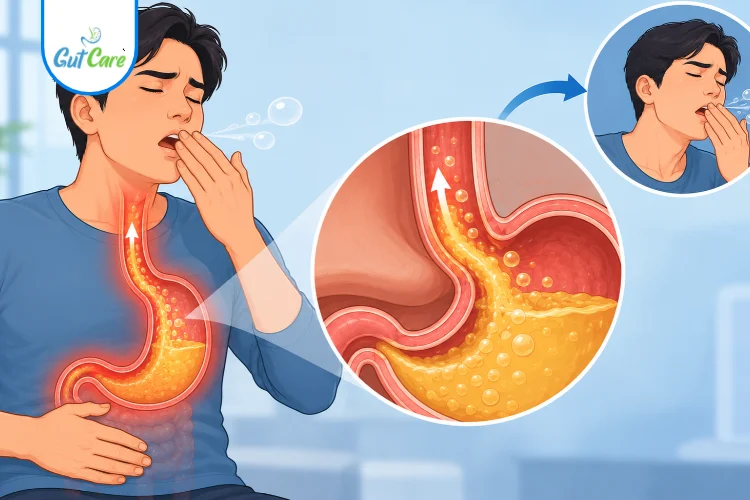
Burping, bloating and acid reflux are different symptoms, but they can occur together.
A simple way to understand the possible overlap is:
Eating quickly or swallowing air
↓
More air enters the stomach
↓
Fullness or bloating
↓
More frequent burping
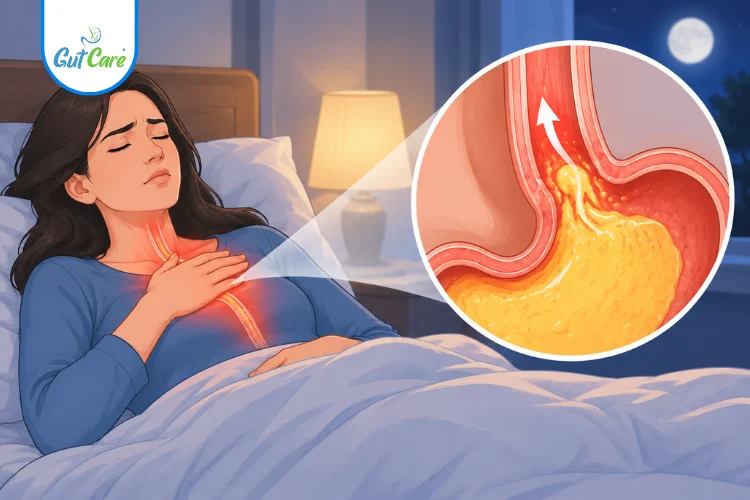
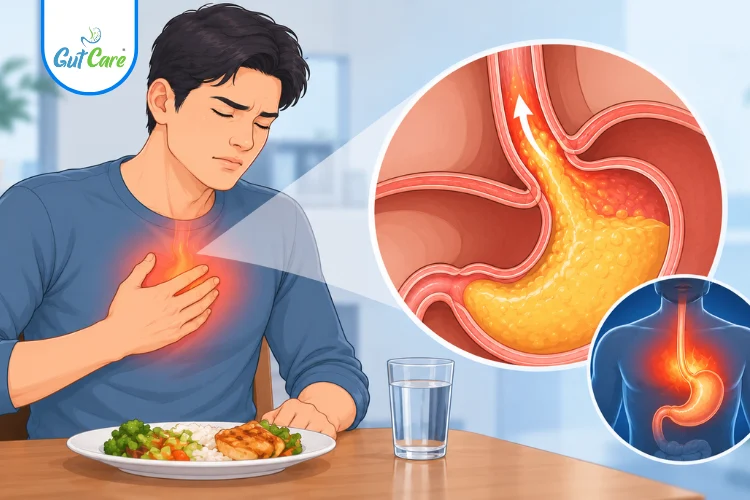
Acid reflux follows a different pattern:
Food and stomach contents remain in the stomach
↓
Some stomach contents move upward toward the oesophagus
↓
Reflux-related symptoms may occur
↓
Possible burning sensation, sour taste or regurgitation
These patterns can overlap after meals.
For example, someone may eat quickly and consume a carbonated drink. This may be followed by fullness, bloating and repeated burping. If the person also experiences a sour taste, burning sensation or regurgitation, reflux-related symptoms may be part of the overall picture.
However, burping too much does not automatically mean you have acid reflux.
Burping can occur because of swallowed air or eating and drinking habits without reflux being involved.
Burping vs Acid Reflux
| Burping | Acid Reflux |
| Release of air from the digestive tract | Movement of stomach contents toward the oesophagus |
| Often associated with swallowed air | May be associated with burning or sour taste |
| Can happen after eating or drinking | May occur after meals or when lying down |
| Carbonated drinks may increase it | May occur with other reflux-related symptoms |
| Can happen without reflux | Can occur with or without frequent burping |
The key point is that burping and acid reflux are not the same thing. Looking at the symptoms that occur alongside burping can provide a clearer picture.
Why Do I Keep Burping After Eating?
If you mainly experience burping after eating, consider what happens during and shortly after your meals.
Common patterns to look for include:
- Eating very quickly
- Taking large bites
- Eating a particularly large meal
- Drinking carbonated beverages
- Drinking too quickly
- Talking continuously while eating
- Chewing gum before or after meals
- Feeling bloated or overly full
- Experiencing a sour taste or burning sensation
For example:
Fast eating + carbonated drink → more swallowed air and gas → increased burping
Another pattern may be:
Meal → burping → sour taste or burning sensation → possible reflux-related symptoms
Keeping these patterns separate is useful because not every episode of burping has the same cause.
Common Factors That Can Increase Excessive Burping
Swallowing Excess Air
Air can enter the digestive tract while eating, drinking, talking or chewing. Eating quickly and drinking rapidly can make this more noticeable.
Slowing down during meals may reduce unnecessary air swallowing.
Carbonated Beverages
Soft drinks, sparkling beverages and other fizzy drinks contain gas. Some people may notice more burping after consuming them.
If you consistently notice this pattern, reducing carbonated beverages can help you determine whether they contribute to the problem.
Eating Too Quickly
Rushed meals can involve larger bites, faster swallowing and more air intake.
Try taking smaller bites, chewing thoroughly and giving yourself enough time to finish your meal.
Large Meals
Large meals may leave some people feeling particularly full or bloated. This can make burping more noticeable.
Pay attention to whether your symptoms change when your meal size changes.
Gum Chewing and Hard Candies
Chewing gum and sucking on hard candies can involve repeated swallowing. If you regularly use them throughout the day, they may contribute to frequent air swallowing.
Digestive Discomfort
Burping may occur together with symptoms such as bloating, fullness or indigestion.
When several symptoms appear together repeatedly, tracking the overall pattern can be more useful than focusing only on burping.
How to Reduce Excessive Burping
There is no single solution that works for everyone. However, simple changes to eating and drinking habits may help identify factors contributing to frequent burping.
Eat More Slowly
Give yourself enough time to eat without rushing. Take smaller bites and chew your food thoroughly before swallowing.
Reduce Carbonated Drinks
If fizzy beverages seem to increase your burping, try reducing them and observe whether the frequency changes.
Avoid Frequent Gum Chewing
If you chew gum throughout the day, consider taking a break and observe whether your burping pattern changes.
Drink More Slowly
Avoid consuming beverages very quickly. Slower drinking may reduce the amount of air swallowed with the drink.
Pay Attention to Meal Size
Notice whether burping is more common after particularly large meals.
Keep a Food and Symptom Diary
When the trigger is unclear, a simple diary can help you identify patterns.
Record:
- Meal time
- Foods eaten
- Drinks consumed
- Approximate meal size
- Eating speed
- Burping frequency
- Bloating or fullness
- Sour taste or burning sensation
- Other digestive symptoms
You may begin to notice that excessive burping occurs in particular situations.
What If You Are Burping Constantly?
If you feel like you are burping constantly, start by looking at how often it happens and what occurs alongside it.
Ask yourself:
- Does it happen mainly after meals?
- Does it happen after carbonated drinks?
- Does it occur throughout the day?
- Is it associated with bloating?
- Do you notice a sour taste or burning sensation?
- Has the pattern recently changed?
- Does it continue even after changing your eating habits?
These details can help distinguish a habit-related pattern from a symptom pattern that may need further evaluation.
Rather than making several major dietary changes at once, try changing one or two habits and observe what happens.
For example, you could slow down your meals and reduce carbonated beverages for several days while recording your symptoms.
If frequent burping continues despite these changes, discussing the pattern with a healthcare professional may be appropriate.
If constant or frequent burping is affecting your daily routine, GutCare Clinics in Bangalore can help you discuss your symptoms and understand the appropriate next steps.
When Should Frequent Burping Be Evaluated?
Occasional burping is different from a persistent change in your usual digestive pattern.
Consider speaking with a healthcare professional if:
- Frequent burping continues despite changes to eating habits
- It interferes with your daily activities
- It regularly occurs with other digestive symptoms
- The pattern has recently changed and continues
- You are unsure what may be causing it
Seek timely medical attention if burping occurs with severe abdominal pain, significant chest discomfort, repeated vomiting, difficulty swallowing, blood in vomit or stool, unexplained weight changes or other concerning symptoms.
Burping alone cannot establish the cause of a digestive problem. A healthcare professional can consider the complete symptom pattern and determine whether further evaluation is appropriate.
How to Understand Your Burping Pattern
Instead of asking only “How do I stop burping?”, consider asking:
“When does my burping happen, and what happens at the same time?”
This can provide more useful information.
For example:
Burping mainly after fizzy drinks
May point toward a connection with carbonated beverages and swallowed gas.
Burping after eating quickly
May suggest that eating speed and swallowed air are contributing factors.
Burping with bloating
May indicate that fullness or gas is occurring alongside the burping.
Burping with sour taste or burning
May occur alongside reflux-related symptoms and may be worth discussing with a healthcare professional if persistent.
The goal is not to diagnose yourself based on one symptom. Instead, understanding the pattern can help you communicate your concerns more clearly.
Conclusion
Burping too much can have several possible causes. Eating quickly, swallowing excess air, carbonated beverages, large meals and frequent gum chewing are some everyday factors to consider.
Frequent burping can also occur alongside bloating, indigestion or acid reflux-related symptoms. However, burping does not automatically mean that acid reflux is the cause.
Paying attention to when burping occurs, what you have eaten or consumed and whether other symptoms appear at the same time can help you identify useful patterns.
Simple changes such as eating slowly, reducing fizzy drinks, avoiding unnecessary air swallowing and keeping a symptom diary may help you understand your triggers. If frequent burping continues or occurs with concerning symptoms, professional evaluation can help determine the appropriate next step.
If you are experiencing frequent burping or related digestive discomfort, contact Gutcare Clinics in Bangalore to discuss your symptoms with a healthcare professional.
Find us here:Gutcare Clinics, Indiranagar, Bangalore | Dr. Yuvraj Singh Gehlot, Digestive Health Specialist
FAQs
Why am I burping so much?
Frequent burping can be associated with swallowing excess air, eating quickly, carbonated beverages, large meals and other digestive factors. The timing of the burping and accompanying symptoms can provide useful clues.
Can acid reflux cause excessive burping?
Burping and acid reflux can occur together, but excessive burping does not automatically mean that acid reflux is the cause. Reflux-related symptoms may include a sour taste, burning sensation or regurgitation.
Is burping and acid reflux the same thing?
No. Burping is the release of air from the digestive tract, while acid reflux involves stomach contents moving upward toward the oesophagus. They can occur together but are different symptoms.
Why do I keep burping after eating?
Burping after eating may be associated with eating quickly, swallowing air, carbonated beverages, large meals or other digestive factors. If it regularly occurs with bloating, sour taste or burning, consider discussing the complete symptom pattern with a healthcare professional.
How can I reduce excessive burping?
Eating slowly, taking smaller bites, reducing carbonated beverages, avoiding frequent gum chewing and drinking more slowly may help reduce unnecessary air swallowing. A food and symptom diary can also help identify possible triggers.
Why am I burping and feeling bloated?
Burping and bloating can occur together. Swallowed air, eating habits and other digestive factors may contribute. If these symptoms are persistent or occur with other concerning symptoms, professional evaluation may be appropriate.
When should I see a doctor for frequent burping?
Consider speaking with a healthcare professional if frequent burping persists, interferes with daily life or regularly occurs with other digestive symptoms. Seek timely medical attention for severe or concerning symptoms such as significant chest discomfort, severe abdominal pain, repeated vomiting or difficulty swallowing.
Is burping after every meal normal?
Occasional burping after meals can happen, particularly when eating quickly or consuming carbonated beverages. If you repeatedly burp after nearly every meal and the pattern continues, consider discussing it with a healthcare professional.