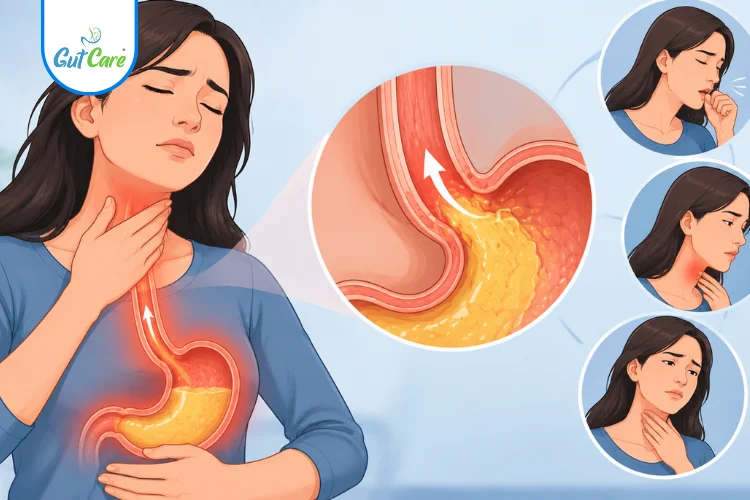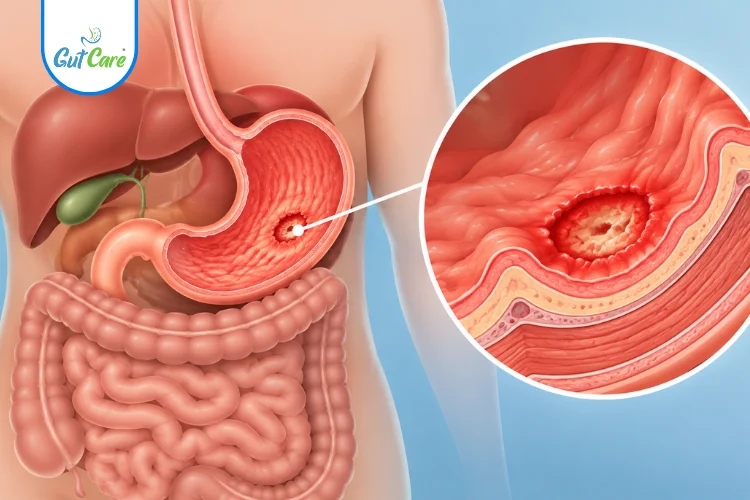

Heartburn that keeps coming back may be more than an occasional reaction to a heavy meal. If you are overweight or living with obesity, extra pressure around the abdomen can increase the likelihood of stomach contents moving back into the food pipe, making reflux symptoms more frequent.
The connection between GERD and obesity is well established, and weight loss can improve reflux symptoms in many people who are overweight or obese. The American College of Gastroenterology recommends weight loss for patients with GERD who are overweight or obese. However, losing weight is not a guaranteed cure, and persistent symptoms still need proper medical evaluation.
At Gutcare Clinics in Bangalore, understanding how body weight, reflux, eating habits, and digestive health interact can help you take the right next step.
If frequent heartburn, regurgitation, or acid reflux is affecting your daily life, consider consulting a gastroenterologist to understand the cause and appropriate treatment.
What Is GERD and How Is It Connected to Obesity?
GERD, or gastroesophageal reflux disease, occurs when stomach contents repeatedly flow back into the esophagus and cause troublesome symptoms or complications.
Common GERD symptoms include:
- Heartburn or a burning feeling in the chest
- Acid or sour fluid coming back into the mouth
- Regurgitation after meals
- Upper abdominal discomfort
- Symptoms that become worse after eating or when lying down
Obesity is associated with a higher risk of GERD. The connection is not simply about how much a person eats. Increased pressure within the abdomen can affect the barrier between the stomach and esophagus and may also be associated with hiatal hernia, which can contribute to reflux.
How Can Obesity Make Acid Reflux Worse?
Extra abdominal fat can increase pressure around the stomach. This pressure may make it easier for stomach contents to move upward into the esophagus, particularly after meals.
Obesity is also associated with a greater likelihood of hiatal hernia. In a hiatal hernia, part of the stomach moves upward through an opening in the diaphragm, which can affect the normal barrier that helps prevent reflux.
This means that weight can be one of several factors contributing to GERD. It is not necessarily the only cause.
Can Weight Loss Reduce Acid Reflux?
For people who are overweight or obese, weight loss can reduce GERD symptoms.
Research has also found that weight loss may be associated with improvements in reflux symptoms and esophageal acid exposure. One reason is that reducing excess abdominal weight may lower pressure around the stomach.
However, this does not mean that everyone will become completely free of reflux after losing weight.
GERD can have several contributing factors, including the function of the lower esophageal sphincter, hiatal hernia, meal patterns, certain medications, and other digestive conditions. Some people may continue to need medical treatment or further testing even after losing weight.
How Much Weight Loss Is Needed to Improve GERD?
There is no single amount of weight loss that guarantees relief from GERD.
The effect can vary depending on:
- Starting body weight
- Distribution of abdominal fat
- Presence of a hiatal hernia
- Eating patterns
- Severity and frequency of reflux
- Other health conditions
- Individual response to weight loss
Rather than focusing on rapid weight loss, a gradual and sustainable approach is generally more practical.
Even if reflux does not completely disappear, achieving a healthier body weight can provide other important health benefits.
Why Can Weight Loss Help GERD?
1. It May Reduce Abdominal Pressure
Reducing excess abdominal fat may lower pressure around the stomach. This can make it less likely for stomach contents to move upward into the esophagus.
2. It Can Help With Meal-Related Reflux
Large meals can stretch the stomach and may make reflux more noticeable. A weight-management plan often involves more appropriate portions and regular eating habits, which may also support better reflux control.
3. It May Help Address Related Health Problems
Obesity can occur alongside several other health conditions. A doctor may therefore consider weight management as part of a broader approach to a person’s overall health rather than looking at reflux in isolation.
What Can You Do If You Have GERD and Want to Lose Weight?
Choose Sustainable Weight Management
Crash diets and extreme food restrictions can be difficult to maintain. A balanced eating pattern that supports gradual weight loss is generally more practical than trying to lose weight quickly.
If you have existing medical conditions or take regular medicines, discuss significant dietary or weight changes with a healthcare professional.
Pay Attention to Meal Size and Timing
Large meals may worsen reflux for some people. Avoid lying down soon after eating.
If nighttime reflux is a problem, finishing meals several hours before going to bed may help reduce symptoms for some people.
Identify Your Personal Reflux Triggers
Foods affect people differently. Coffee, alcohol, chocolate, mint, spicy foods, fatty foods, and acidic foods can worsen symptoms in some people, but not everyone needs to avoid all of them.
Instead of removing multiple foods unnecessarily, pay attention to whether a particular food consistently triggers your symptoms.
Stay Physically Active
Regular physical activity can support weight management and overall health.
If particular exercises consistently cause or worsen reflux, discuss the pattern with a healthcare professional. The goal is not to avoid all activity, but to find an approach that fits your health and symptoms.
Get Professional Guidance When Weight Loss Is Difficult
If you have repeatedly tried to lose weight without success, a healthcare professional can help assess factors that may be affecting your weight and digestive symptoms.
Persistent GERD may also require medicines or diagnostic testing, depending on your symptoms.
Having both obesity and frequent reflux? A gastroenterology consultation can help determine whether weight is contributing to your symptoms and whether further evaluation is needed.
When Should You See a Doctor for GERD?
Occasional heartburn is common, but frequent or persistent symptoms should not automatically be blamed on weight.
Consider medical evaluation if:
- Heartburn or regurgitation keeps returning
- Reflux is affecting sleep
- Symptoms interfere with daily activities
- Symptoms continue despite appropriate lifestyle changes
- You regularly need medication to control symptoms
Certain symptoms require prompt medical attention. These include difficulty or pain when swallowing, gastrointestinal bleeding or black stools, unexplained weight loss, persistent vomiting, or chest pain.
Chest pain should not automatically be assumed to be acid reflux because heart and other conditions can cause similar symptoms.
How Is GERD Evaluated?
A doctor may begin by discussing your symptoms, medical history, medicines, eating patterns, and lifestyle.
Some people with typical GERD symptoms may be diagnosed based on their symptoms and initial response to treatment. Others may need further evaluation.
Depending on the situation, a gastroenterologist may recommend investigations such as an upper gastrointestinal endoscopy or reflux monitoring.
The purpose is not simply to confirm that you have “acid reflux.” Evaluation can help determine whether GERD is present, whether another condition could be causing the symptoms, and which treatment approach is appropriate.
Does Bariatric Surgery Help GERD?
For selected people with obesity, some bariatric procedures can affect GERD differently.
Roux-en-Y gastric bypass is associated with improvement in GERD in many patients and may be considered for people with obesity who are appropriate candidates for bariatric surgery.
Sleeve gastrectomy is different. Reflux can develop or become worse in some patients after this procedure.
Therefore, bariatric surgery should not be viewed as a routine treatment for GERD. If someone has both obesity and significant reflux, the type of procedure, existing reflux, anatomy, overall health, and weight-management goals all need to be considered by the appropriate specialists.
Conclusion
There is a clear connection between GERD and obesity, and weight loss can reduce reflux symptoms for many people who are overweight or obese.
One important reason is that reducing excess abdominal weight may decrease pressure around the stomach and reduce the tendency for stomach contents to move upward.
But weight loss is not a guaranteed cure for GERD. Reflux can have multiple causes, and some people continue to experience symptoms even after losing weight.
If heartburn or regurgitation is frequent, severe, affecting your sleep, or accompanied by warning signs, medical evaluation is important.
For persistent acid reflux or concerns about GERD and weight, consult Gutcare Clinics in Bangalore for a gastroenterology evaluation and personalised guidance based on your symptoms and health needs.
Find us here:Gutcare Clinics, Indiranagar, Bangalore | Dr. Yuvraj Singh Gehlot, Digestive Health Specialist
FAQs
Can obesity cause GERD?
Obesity can increase the risk of GERD. Extra abdominal pressure may make reflux more likely, and obesity is also associated with hiatal hernia, which can contribute to reflux.
Can losing weight stop acid reflux?
Weight loss can reduce acid reflux symptoms in many people who are overweight or obese, but it does not guarantee that GERD will disappear. Some people may still need medical treatment or further evaluation.
How much weight should I lose to improve GERD?
There is no universal amount of weight loss that guarantees relief. A gradual and sustainable weight-management plan is generally more useful than aiming for rapid weight loss.
Does belly fat make acid reflux worse?
Abdominal fat can increase pressure around the stomach, which may contribute to reflux. This is one reason excess weight is associated with a higher risk of GERD.
Can GERD go away after weight loss?
GERD symptoms may improve after weight loss, but GERD can have several contributing factors. If symptoms continue, a gastroenterologist can determine whether medicines, testing, or other treatment may be appropriate.
Is bariatric surgery good for GERD?
Some bariatric procedures, particularly Roux-en-Y gastric bypass, can improve GERD in selected patients with obesity. Other procedures, such as sleeve gastrectomy, may worsen reflux in some people. Procedure selection requires specialist assessment.
When should I see a doctor for acid reflux?
See a doctor if reflux is frequent, persistent, affects sleep or daily life, or does not improve with appropriate measures. Difficulty swallowing, gastrointestinal bleeding, unexplained weight loss, persistent vomiting, or chest pain require prompt medical assessment.