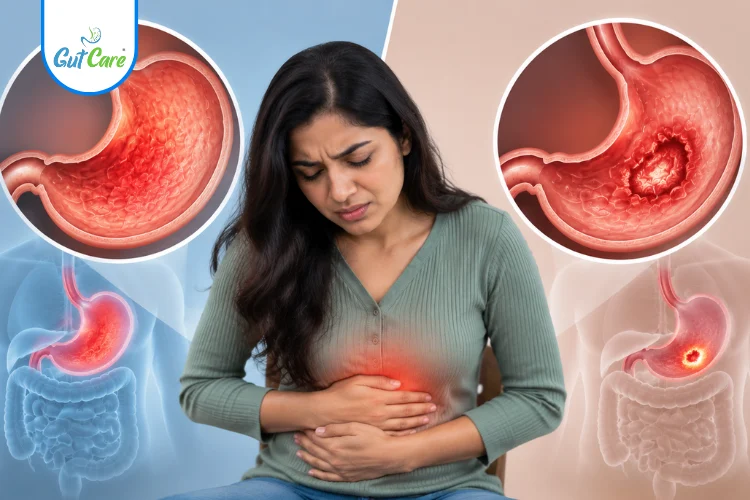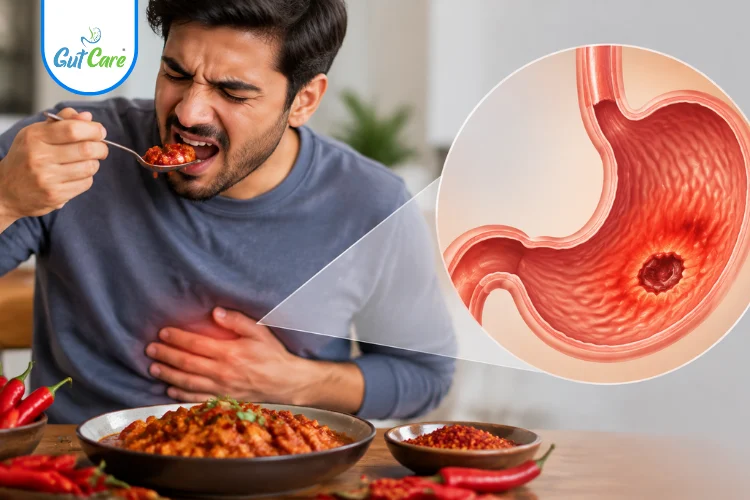
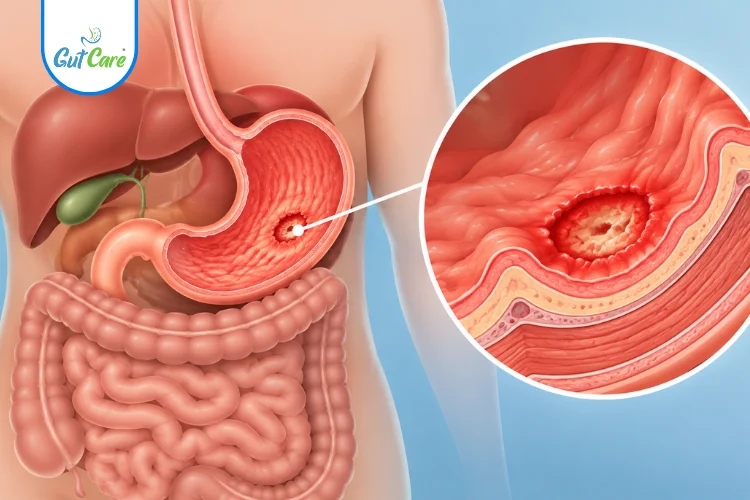
Persistent stomach pain, frequent acidity, bloating, or a burning sensation after meals may seem like common digestive problems. However, in some cases, these symptoms can indicate an underlying condition called peptic ulcer disease. Peptic ulcers are open sores that develop in the lining of the stomach or the first part of the small intestine and may require proper medical evaluation.
Understanding the causes, symptoms, diagnosis, and treatment options can help prevent complications and improve digestive health. At Gutcare Clinics, Bangalore, experienced gastroenterology care focuses on identifying the root cause of digestive problems and providing appropriate treatment based on each patient’s condition.
If you are experiencing recurring stomach discomfort, acidity, or ulcer-related symptoms, consult a gastroenterology specialist at Gutcare Clinics for proper evaluation and personalised care.
Book an appointment Today!
What Is Peptic Ulcer Disease?
Peptic ulcer disease (PUD) refers to ulcers that form when the protective lining of the stomach or duodenum becomes damaged. Normally, the stomach produces acid to help digest food, but the stomach lining has protective mechanisms that prevent this acid from causing harm.
When this balance is disturbed, stomach acid can damage the inner lining, resulting in sores or ulcers.
Peptic ulcers are mainly classified into two types:
Gastric Ulcers
Gastric ulcers develop inside the stomach lining. They may cause discomfort that is often related to eating, though symptoms can vary from person to person.
Duodenal Ulcers
Duodenal ulcers occur in the first section of the small intestine. Some people experience pain when the stomach is empty, especially between meals or during the night.
Early diagnosis and treatment of peptic ulcers can help reduce the risk of complications such as bleeding or ulcer perforation.
What Causes Peptic Ulcer Disease?
Several factors can contribute to the development of peptic ulcers. The most common causes include:
H. pylori Infection
One of the leading causes of peptic ulcer disease is infection with Helicobacter pylori (H. pylori) bacteria.
This bacteria can weaken the stomach’s protective mucus layer, allowing acid to damage the stomach or intestinal lining. Many people may carry H. pylori without symptoms, but in some cases, it can contribute to ulcers and chronic gastritis.
Long-Term Use of Pain Relief Medicines
Regular use of certain medications, especially non-steroidal anti-inflammatory drugs (NSAIDs), can increase the risk of ulcers.
Common NSAIDs include:
- Ibuprofen
- Aspirin
- Naproxen
These medicines can reduce substances that help protect the stomach lining, making it more vulnerable to acid damage.
Excess Stomach Acid Production
Conditions that increase acid production may contribute to ulcer formation. Excess acid can irritate the stomach lining and delay healing.
Factors that may worsen acid-related problems include:
- Smoking
- Excessive alcohol consumption
- Certain dietary habits
- Chronic stress, which may aggravate digestive symptoms
Other Risk Factors
Some factors may increase the likelihood of developing peptic ulcers:
- Previous history of ulcers
- Family history of ulcer disease
- Untreated H. pylori infection
- Frequent use of certain medications
- Smoking
- Poor digestive health habits
Common Symptoms of Peptic Ulcer Disease
Symptoms of peptic ulcers can vary depending on the location and severity of the ulcer. Some people may have mild symptoms, while others may experience significant discomfort.
Common peptic ulcer symptoms include:
- Burning or aching pain in the upper abdomen
- Stomach pain between meals or at night
- Feeling full quickly after eating
- Bloating and excessive belching
- Nausea or vomiting
- Heartburn or indigestion
- Loss of appetite
- Unexplained weight loss
Some warning signs require immediate medical attention:
- Vomiting blood
- Black or tar-like stools
- Severe abdominal pain
- Sudden weakness or dizziness
These symptoms may indicate complications such as gastrointestinal bleeding.
How Is Peptic Ulcer Disease Diagnosed?
A proper diagnosis is essential because symptoms of ulcers can overlap with other digestive conditions such as gastritis, acid reflux, or functional dyspepsia.
A gastroenterologist may recommend the following diagnostic methods:
Medical History and Physical Examination
The doctor may ask about:
- Symptoms and their duration
- Eating patterns
- Medication use
- Previous digestive problems
- Family medical history
This helps identify possible risk factors and determine the next steps.
Upper Gastrointestinal Endoscopy
An upper GI endoscopy is one of the most effective methods for diagnosing peptic ulcers.
During an endoscopy:
- A thin flexible tube with a camera is passed through the mouth
- The doctor examines the stomach and duodenum lining
- Tissue samples (biopsy) may be collected if required
Endoscopy helps identify ulcers, inflammation, bleeding, or other abnormalities.
H. pylori Testing
Doctors may recommend tests to detect H. pylori infection, including:
- Urea breath test
- Stool antigen test
- Blood tests in certain situations
- Biopsy testing during endoscopy
Identifying H. pylori is important because treatment usually requires antibiotics along with acid-reducing medicines.
Imaging Tests
In some cases, additional imaging tests may be recommended if complications are suspected.
Treatment Options for Peptic Ulcer Disease
Treatment for peptic ulcers depends on the underlying cause. The goal is to heal the ulcer, reduce acid irritation, and prevent recurrence.
Medicines to Reduce Stomach Acid
Doctors commonly prescribe acid-suppressing medicines such as proton pump inhibitors (PPIs). These medicines help reduce acid production and allow the ulcer to heal.
Examples include:
- Omeprazole
- Pantoprazole
- Esomeprazole
The duration of treatment depends on ulcer severity and individual health factors.
Treatment for H. pylori Infection
If H. pylori infection is detected, treatment usually involves a combination of:
- Antibiotics to eliminate the bacteria
- Acid-reducing medicines to support healing
Completing the prescribed treatment course is important to prevent recurrence and antibiotic resistance.
Stopping Ulcer-Causing Medicines
If NSAID medications contribute to ulcer formation, the doctor may recommend:
- Reducing or stopping the medication when possible
- Switching to alternative medicines
- Adding protective stomach medicines
Medication changes should always be done under medical guidance.
Lifestyle Changes to Support Ulcer Healing
Along with medical treatment, certain lifestyle habits can support digestive health:
- Avoid smoking and excessive alcohol consumption
- Eat balanced meals at regular intervals
- Limit foods that trigger discomfort
- Maintain healthy stress management habits
- Avoid unnecessary use of painkillers
- Follow the treatment plan completely
A healthy lifestyle alone may not cure an ulcer, but it can support recovery and reduce irritation.
When Should You Consult a Gastroenterologist?
Many people delay medical consultation because they assume recurring acidity or stomach pain is normal. However, persistent digestive symptoms should be evaluated to identify the actual cause.
Consult a gastroenterologist if you experience:
- Frequent stomach pain
- Recurring acidity despite lifestyle changes
- Unexplained weight loss
- Vomiting or blood in stools
- Symptoms lasting for several weeks
At Gutcare Clinics, Bangalore, specialists evaluate digestive conditions using appropriate diagnostic approaches and provide treatment plans based on individual patient needs.
Find us here:Gutcare Clinics, Indiranagar, Bangalore | Dr. Yuvraj Singh Gehlot, Digestive Health Specialist
FAQs
Frequently Asked Questions About Peptic Ulcer Disease
What is peptic ulcer disease?
Peptic ulcer disease is a condition where open sores develop in the lining of the stomach or the first part of the small intestine (duodenum). These ulcers usually occur due to damage caused by stomach acid, commonly linked to H. pylori infection or long-term use of certain pain-relieving medicines.
What are the common symptoms of peptic ulcer disease?
Common symptoms of peptic ulcer disease include:
- Burning pain in the upper abdomen
- Indigestion or bloating
- Nausea
- Feeling full quickly after eating
- Loss of appetite
- Heartburn
- Unexplained weight loss
Some people may also experience severe symptoms such as vomiting blood or black stools, which require immediate medical attention.
What causes stomach ulcers?
The most common causes of stomach ulcers include:
- H. pylori bacterial infection
- Long-term use of NSAID painkillers such as ibuprofen or aspirin
- Increased stomach acid exposure
- Smoking and excessive alcohol consumption
- Certain lifestyle factors that worsen digestive irritation
How is peptic ulcer disease diagnosed?
A gastroenterologist may diagnose peptic ulcers through:
- Upper gastrointestinal endoscopy
- H. pylori tests
- Medical history evaluation
- Physical examination
- Additional tests if complications are suspected
Endoscopy allows doctors to directly examine the stomach and duodenum lining.
Can peptic ulcers heal completely?
Yes, most peptic ulcers can heal with proper treatment. Treatment usually includes acid-reducing medicines, addressing H. pylori infection if present, avoiding ulcer-causing medications when possible, and following healthy lifestyle practices.
Is endoscopy necessary for diagnosing stomach ulcers?
Endoscopy is one of the most accurate tests for detecting peptic ulcers. It helps doctors identify the location and severity of ulcers and may allow tissue sampling when required. However, the need for endoscopy depends on symptoms, age, risk factors, and the doctor’s evaluation.
What foods should be avoided during peptic ulcer disease?
There is no single ulcer diet that applies to everyone, but some foods may worsen symptoms in certain individuals.
Common triggers may include:
- Spicy foods
- Excess caffeine
- Alcohol
- Foods that cause personal discomfort
A balanced diet with adequate nutrition can support recovery along with medical treatment.
When should I see a gastroenterologist for ulcer symptoms?
You should consult a gastroenterologist if you have:
- Persistent stomach pain
- Repeated acidity or indigestion
- Symptoms that do not improve with lifestyle changes
- Vomiting blood
- Black stools
- Unexplained weight loss
Early evaluation can help prevent complications and support timely treatment.