Anal itching and discomfort can be embarrassing to talk about, but it is a common problem that affects many people. The constant urge to scratch, irritation around the anus, burning sensation, or discomfort while sitting can affect daily activities and quality of life.
Understanding the common causes of anal itching is the first step toward finding the right solution. While mild itching may happen due to skin irritation or hygiene-related issues, persistent symptoms can sometimes indicate conditions such as hemorrhoids, anal fissures, infections, or other anorectal problems.
At Gutcare Clinics, Bangalore, specialists focus on identifying the underlying cause of anal discomfort and providing appropriate care based on individual symptoms.
If anal itching continues despite home care or is affecting your routine, consult an experienced specialist for proper evaluation and guidance.
Book an appointment Today!
What Is Anal Itching?
Anal itching, medically known as pruritus ani, refers to irritation and itching of the skin around the anus. It may occur occasionally or become a long-term problem.
Common symptoms associated with anal itching include:
- Persistent urge to scratch around the anus
- Redness or irritation of the skin
- Burning sensation or discomfort
- Moisture around the anal area
- Pain or sensitivity while passing stools
- Skin changes caused by frequent scratching
The severity of symptoms can vary depending on the underlying cause. Identifying the trigger helps prevent repeated irritation and improves long-term comfort.
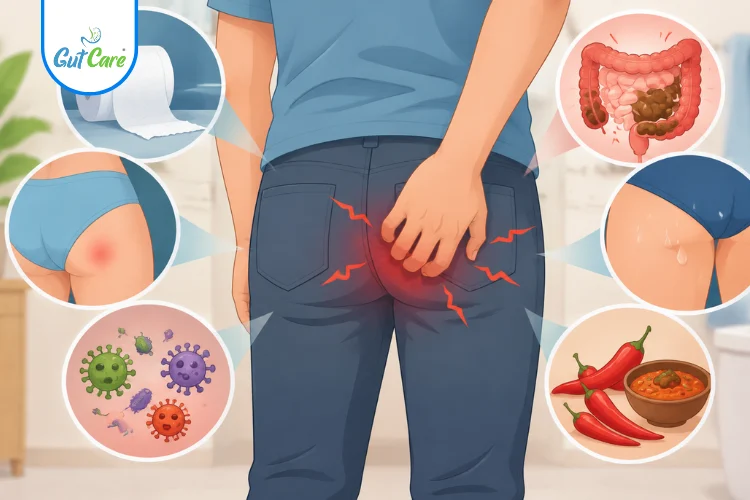
Common Causes of Anal Itching and Discomfort
Several factors can contribute to itching around the anus. Some causes are temporary and easy to manage, while others may require medical attention.
1. Poor Hygiene or Excessive Cleaning
Maintaining proper hygiene is important, but excessive cleaning can also irritate the sensitive skin around the anus.
Using harsh soaps, scented wipes, or aggressive rubbing after bowel movements may remove natural oils from the skin, leading to dryness and irritation.
How it can contribute to itching:
- Skin becomes dry and sensitive
- Irritation develops after repeated wiping
- Fragrances or chemicals may trigger allergic reactions
Gentle cleaning with water and avoiding harsh products can help protect the skin barrier.
2. Hemorrhoids (Piles)
Hemorrhoids are swollen blood vessels in the anal region that can cause itching, discomfort, and irritation.
When hemorrhoids develop, they may produce mucus discharge or make complete cleaning difficult after bowel movements. This moisture can irritate the surrounding skin and lead to itching.
Common symptoms of hemorrhoids include:
- Anal itching
- Bleeding while passing stools
- Pain or discomfort
- A feeling of swelling near the anus
- A lump around the anal area
People experiencing persistent itching along with bleeding or swelling should seek medical advice to determine whether hemorrhoids are the cause.
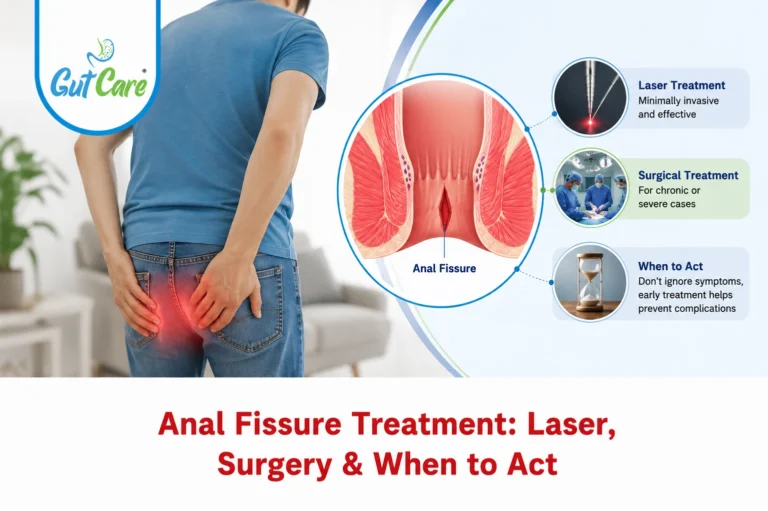
3. Anal Fissure
An anal fissure is a small tear in the lining of the anus, commonly caused by passing hard stools or constipation.
Although pain is usually the main symptom, irritation and itching can also occur during healing.
Symptoms may include:
- Sharp pain during bowel movements
- Burning sensation after passing stools
- Small amounts of bright red blood
- Anal irritation
Treating constipation, improving bowel habits, and following appropriate medical treatment can support healing.
4. Fungal or Bacterial Infections
The skin around the anus is naturally exposed to moisture and bacteria. Excess sweating, prolonged moisture, or changes in skin conditions can increase the risk of infections.
Fungal infections may cause:
- Persistent itching
- Redness
- Rash-like patches
- Burning sensation
Self-treating with random creams may sometimes worsen irritation. A doctor can help identify whether the problem is caused by fungal infection, bacterial infection, or another skin condition.
5. Skin Conditions and Allergic Reactions
Certain skin conditions can affect the perianal area and cause itching.
Examples include:
- Eczema
- Dermatitis
- Psoriasis
- Allergic reactions to soaps, detergents, or topical products
People with sensitive skin may experience irritation after using new personal care products.
Identifying and avoiding triggers is an important part of managing recurring anal itching.
6. Dietary Factors
Certain foods may irritate the digestive system or increase bowel-related discomfort in some individuals.
Possible triggers include:
- Spicy foods
- Coffee or caffeinated beverages
- Alcohol
- Acidic foods
- Foods causing frequent loose stools
Keeping track of food habits and symptoms can help identify possible connections between diet and anal irritation.
7. Constipation and Frequent Straining
Chronic constipation can contribute to anal discomfort in multiple ways.
Hard stools and excessive straining may:
- Irritate anal tissues
- Increase pressure around the anal region
- Trigger hemorrhoids or fissures
- Cause prolonged discomfort after bowel movements
Maintaining adequate fibre intake, drinking enough water, and following healthy bowel habits can help reduce constipation-related irritation.
8. Pinworm Infection
Although more common in children, pinworm infection can also occur in adults. It may cause intense itching, especially at night.
Typical signs include:
- Severe nighttime anal itching
- Disturbed sleep
- Irritation around the anus
Medical evaluation and appropriate treatment may be needed to completely resolve the infection.
When Should You See a Doctor for Anal Itching?
Occasional itching caused by temporary irritation may improve with simple care. However, medical consultation is recommended if you experience:
- Anal itching lasting more than a few weeks
- Bleeding during bowel movements
- Severe pain or swelling
- Discharge from the anal area
- Skin changes or sores
- Symptoms that repeatedly return
A specialist can examine the affected area and identify whether the cause is related to hemorrhoids, fissures, infections, or other anorectal conditions.
CTA 2 (Mid-blog):
Experiencing persistent anal itching, irritation, or discomfort? Consult Gutcare Clinics, Bangalore for expert evaluation and personalised treatment options for anorectal conditions.
How Is the Cause of Anal Itching Diagnosed?
Finding the exact reason behind anal itching is important because treatment depends on the underlying condition. A healthcare specialist usually begins with a detailed discussion about symptoms, bowel habits, lifestyle factors, and medical history.
The evaluation may include:
- Physical examination: A doctor examines the skin around the anus to identify signs of irritation, swelling, cracks, rashes, or hemorrhoids.
- Medical history review: Information about constipation, diarrhea, hygiene practices, diet, and previous treatments helps identify possible triggers.
- Further tests (if required): In some cases, additional tests may be recommended to rule out infections or other conditions.
A proper diagnosis helps avoid unnecessary treatments and addresses the actual cause of discomfort.
Treatment Options for Anal Itching and Discomfort
Treatment for anal itching depends on what is causing the symptoms. Managing the underlying condition usually provides long-term relief.
Lifestyle and Self-Care Measures
For mild irritation, certain daily habits can help reduce discomfort:
- Clean the anal area gently with water after bowel movements
- Avoid harsh soaps, perfumes, and scented wipes
- Keep the area dry and avoid prolonged moisture
- Wear breathable cotton underwear
- Avoid excessive scratching, as it can damage the skin
- Maintain regular bowel habits
Managing Constipation
If constipation is contributing to anal irritation, improving bowel movements can reduce symptoms.
Helpful steps include:
- Eating fibre-rich foods such as fruits, vegetables, and whole grains
- Drinking adequate water
- Staying physically active
- Avoiding excessive straining during bowel movements
Medical Treatment
Depending on the diagnosis, treatment may include:
- Medicines for hemorrhoids
- Treatment for anal fissures
- Antifungal or other medications for infections
- Management of skin conditions affecting the anal area
A doctor may recommend the most suitable treatment after identifying the specific cause.
Can Anal Itching Be Prevented?
While not every case can be prevented, maintaining healthy habits can lower the chances of recurring irritation.
Preventive measures include:
- Maintain gentle anal hygiene
- Treat constipation early
- Avoid prolonged sitting without movement
- Choose comfortable clothing
- Identify and avoid personal triggers
- Seek medical advice for recurring symptoms
Small lifestyle changes can make a significant difference in preventing repeated discomfort.
Why Choose Gutcare Clinics for Anal Discomfort Evaluation in Bangalore?
Anal itching can have several possible causes, and treating only the symptom may not always provide lasting relief. At Gutcare Clinics, Bangalore, patients receive evaluation focused on identifying the reason behind their symptoms.
The clinic provides care for various gastrointestinal and anorectal concerns, including conditions associated with:
- Anal itching and irritation
- Hemorrhoids (piles)
- Anal fissures
- Fistula-related concerns
- Digestive and bowel-related problems
With a patient-focused approach, specialists help patients understand their condition and explore suitable treatment options.
Find us here:Gutcare Clinics, Indiranagar, Bangalore | Dr. Yuvraj Singh Gehlot, Digestive Health Specialist
Frequently Asked Questions About Anal Itching
What are the common causes of anal itching?
The common causes of anal itching include skin irritation, excessive cleaning, hemorrhoids, anal fissures, infections, constipation, dietary triggers, and certain skin conditions such as eczema or dermatitis.
Why does my anus itch mostly at night?
Nighttime anal itching can occur due to conditions such as pinworm infection, skin irritation, moisture buildup, or inflammation around the anal area. Persistent nighttime itching should be evaluated by a healthcare professional.
Can piles cause anal itching?
Yes, piles (hemorrhoids) can cause anal itching. Swollen hemorrhoidal tissues may lead to mucus leakage or difficulty cleaning after bowel movements, which can irritate the surrounding skin.
How can I stop anal itching naturally?
Mild anal itching may improve by maintaining gentle hygiene, avoiding irritants, keeping the area dry, eating enough fibre, drinking adequate water, and preventing constipation. Persistent symptoms may require medical evaluation.
Is anal itching a sign of a serious problem?
Anal itching is often caused by minor irritation, but persistent itching along with bleeding, pain, swelling, discharge, or skin changes may indicate an underlying condition that needs medical attention.
When should I see a doctor for anal itching?
You should consult a doctor if anal itching lasts for several weeks, keeps returning, affects your daily activities, or occurs with symptoms such as bleeding, pain, lumps, or discharge.
Can constipation cause anal discomfort?
Yes, constipation can contribute to anal discomfort by causing hard stools, straining, irritation, and conditions such as hemorrhoids or anal fissures.
Which doctor treats anal itching problems?
A gastroenterologist or colorectal specialist can evaluate anal itching and related conditions such as hemorrhoids, fissures, fistulas, and other anorectal problems.