
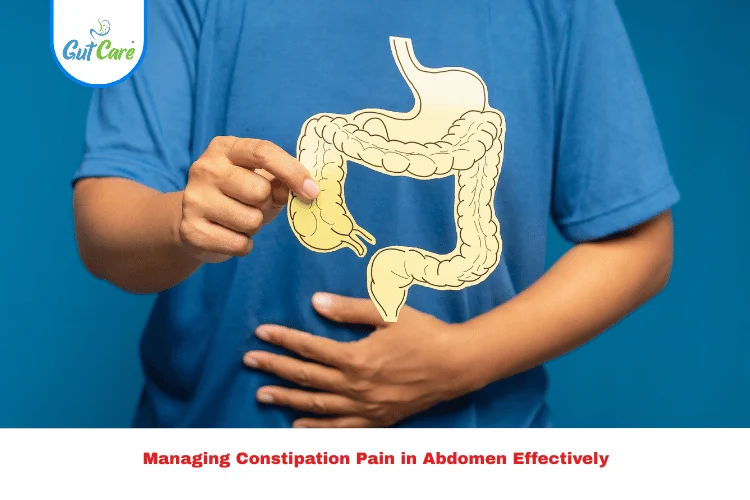
Constipation Pain in Abdomen is one of the most common digestive complaints reported at Gutcare Clinics, Bangalore. Many people experience abdominal discomfort due to irregular bowel movements but often delay treatment until the pain worsens. Under the expert care of Dr. Yuvrajsingh Gehlot, an experienced colon and rectal surgeon, Gutcare Clinics focuses on identifying and treating the root causes of constipation-related abdominal pain rather than offering temporary relief.
” Don’t ignore constipation pain—get expert gut care before complications begin. Consult Gutcare Clinics today for early diagnosis and safety”
Introduction: What Is Constipation-Related Abdominal Pain?
Constipation-related abdominal pain develops when bowel movements become slow, infrequent, or difficult to pass. As stool remains in the intestines for a longer time, it becomes hard and dry. This leads to pressure buildup inside the abdomen, causing discomfort and pain.
At Gutcare Clinics, patients are advised not to ignore abdominal pain linked to constipation, especially when it becomes frequent, uncomfortable, or affects daily life.
Understanding Constipation and Abdominal Pain
Constipation slows down the digestive process. When waste moves slowly through the colon, excess water is absorbed from the stool, making it hard. This causes stretching of the intestinal walls, leading to Constipation Pain in Abdomen and ongoing discomfort.
Doctors at Gutcare Clinics, Bangalore, often assess lifestyle factors such as diet, water intake, and physical activity to understand why constipation-related pain occurs in a patient and to guide appropriate treatment.
Abdominal Areas Commonly Associated with Constipation
Constipation pain in Abdomen can affect different areas of the abdomen, including:
- Lower abdomen due to stool accumulation
- Left side of the abdomen, where stool commonly collects
- General abdominal fullness caused by trapped gas
A proper clinical evaluation at Gutcare Clinics helps rule out other digestive conditions that may cause similar pain.
Types of Abdominal Pain Due to Constipation
Patients may experience different patterns of pain, such as:
- Dull, aching pain
- Cramping pain
- Pressure-like discomfort
- Pain that improves after passing stool
At Gutcare Clinics, Bangalore, treatment plans are tailored based on the intensity of pain and bowel movement patterns.
How Constipation Causes Pain in the Abdomen
Constipation pain in abdomen usually results from slow or difficult bowel movements. Common causes include:
Low Fiber Intake
Insufficient intake of fruits, vegetables, and whole grains leads to hard stools.
Lack of Water Intake
Dehydration increases water absorption from stool, making it dry and difficult to pass.
Irregular Bowel Habits
Ignoring the urge to pass stool causes stool buildup in the intestines.
Lack of Physical Activity
A sedentary lifestyle slows digestion and intestinal movement.
Stress and Routine Changes
Stress and travel can disrupt normal bowel function.
Certain Medications
Some medications slow bowel movement, leading to constipation.
When stool accumulates, it presses against the intestinal walls and traps gas, causing abdominal tightness, cramping, bloating, and Constipation Pain in Abdomen. Many patients at Gutcare Clinics experience relief after bowel movement, confirming constipation as the underlying cause of discomfort.
Symptoms of Constipation Pain in Abdomen
Constipation Pain in Abdomen may be accompanied by:
- Abdominal cramping or pressure
- Dry, hard, or lumpy stools
- Bloating and gas
- Loss of appetite
- Feeling of incomplete bowel emptying
- Discomfort that improves after passing stool
If these symptoms persist, consulting a colorectal specialist such as Dr. Yuvrajsingh Gehlot is strongly recommended.
Relief Options for Constipation Pain in Abdomen
Relief focuses on restoring regular bowel movement and reducing abdominal discomfort.
Diet Modifications
- Gradually increase fiber intake
- Eat fruits, vegetables, and whole grains
Hydration
- Drink adequate water throughout the day
Lifestyle Improvements
- Regular walking or light exercise
- Maintaining a consistent bowel routine
Medical Assistance
- Stool softeners or medications when prescribed
- Medical consultation for persistent or severe symptoms
At Gutcare Clinics, treatment may include safe medications under expert supervision to ensure long-term relief.
How Constipation Pain Is Diagnosed
Diagnosis typically includes:
- Detailed discussion of symptoms
- Physical abdominal examination
- Assessment of dietary and lifestyle habits
For ongoing or severe cases, Dr. Yuvrajsingh Gehlot, colorectal surgeon, may recommend further evaluation to ensure accurate diagnosis.
Preventing Constipation and Abdominal Pain
Long-term prevention includes:
- Consuming fiber-rich, nutritious foods
- Drinking enough fluids daily
- Avoiding delay when the urge to pass stool occurs
- Managing stress levels
Patients who follow preventive guidance at Gutcare Clinics, Bangalore, often experience lasting digestive relief.
Advanced Care at Gutcare Clinics
For recurrent or chronic constipation-related abdominal pain, Dr. Yuvrajsingh Gehlot offers structured treatment plans focused on improving bowel function and relieving Constipation Pain in Abdomen. Gutcare Clinics provides specialized care for patients dealing with long-term digestive discomfort.
Conclusion
Constipation pain in abdomen can be effectively managed when addressed early and correctly. Understanding its causes, symptoms, and relief measures helps prevent complications. If symptoms persist, expert evaluation at Gutcare Clinics, Bangalore, ensures proper diagnosis and long-term digestive health.
Frequently Asked Questions (FAQs)
1. Can constipation really cause abdominal pain?
Yes, stool buildup stretches the intestines, leading to abdominal discomfort and cramping.
2. Can constipation cause lower abdominal pain?
Yes, constipation can cause lower abdominal pain due to stool buildup in the intestines, leading to pressure and discomfort. The pain often improves after passing stool.
3. Where is constipation pain located?
Constipation pain is commonly felt in the lower abdomen or left side, where stool tends to collect. It may also cause a feeling of fullness or bloating across the abdomen.
4. Is constipation pain in the abdomen serious?
Occasional pain is common, but frequent or worsening pain should not be ignored.
5. Which clinic offers expert care for constipation pain in Bangalore?
Gutcare Clinics, under the care of Dr. Yuvrajsingh Gehlot, provides specialized treatment for constipation-related abdominal pain.