Fatty liver disease is becoming increasingly common due to modern lifestyle changes, unhealthy eating habits, and rising stress levels. Fatty Liver Treatment focuses on reducing excess fat stored in the liver and preventing future health complications through proper medical care and healthy lifestyle adjustments.
At Gutcare Clinics, Bangalore, patients receive structured and personalized care under the guidance of Dr. Yuvrajsingh Gehlot, a renowned colorectal surgeon. The focus is not just on symptom relief but on long-term liver and digestive health.
Take control of your liver health today. Book your consultation at Gutcare Clinics, Bangalore.
What Is Fatty Liver Disease?
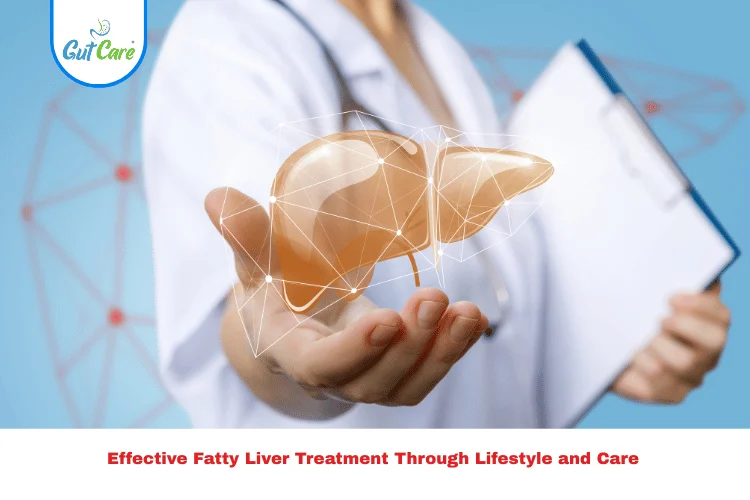
Fatty liver disease occurs when excess fat accumulates inside liver cells. This excess fat interferes with the liver’s ability to perform essential functions such as digestion support, detoxification, and metabolism.
At Gutcare Clinics, patients are educated about the close link between liver health and the digestive system. Early identification and treatment help prevent the condition from progressing further.
Types of Fatty Liver Disease You Should Know
Fatty liver disease is broadly classified into two main types:
Alcohol-Related Fatty Liver Disease
This type develops due to regular or excessive alcohol consumption. Over time, alcohol increases fat buildup in the liver, affecting liver function.
Non-Alcoholic Fatty Liver Disease (NAFLD)
This form is not related to alcohol intake. It is commonly associated with:
- Obesity
- Diabetes
- High cholesterol
- Physical inactivity
Both types require timely medical attention and lifestyle correction. At Gutcare Clinics, treatment plans are designed based on the type and severity of the condition to ensure safe and effective recovery.
Common Reasons for Fatty Liver Disease
Fatty liver disease develops when excess fat accumulates inside liver cells. Several factors can contribute to this condition, especially lifestyle and metabolic issues.
The most common reasons include:
- Poor eating habits, including high intake of processed and fatty foods
- Excess body weight or obesity
- High cholesterol or elevated blood sugar levels
- Lack of regular physical activity
- Ongoing digestive or gastrointestinal imbalance
At Gutcare Clinics, identifying the underlying cause is a key advantage. Understanding the root problem allows doctors to design targeted treatment plans, rather than offering temporary or generalized solutions.
Early Warning Signs and Symptoms of Fatty Liver
In the early stages, fatty liver disease may not show clear symptoms. However, some individuals may experience warning signs such as:
- Persistent fatigue or low energy
- A feeling of heaviness or discomfort in the abdomen
- Digestive discomfort or bloating
- Reduced appetite
Early recognition of these symptoms enables Gutcare Clinics to begin treatment before the condition progresses or leads to complications.
How Fatty Liver Treatment Is Diagnosed
Fatty liver disease is diagnosed using a combination of medical evaluation methods, which may include:
- Blood tests to assess liver enzyme levels
- Imaging tests such as ultrasound
- Physical examination and clinical history
At Gutcare Clinics, the diagnostic process is systematic and patient-focused. Dr. Yuvrajsingh Gehlot ensures that patients clearly understand their test results and diagnosis before any treatment plan is started.
Fatty Liver Disease Treatment Explained
Fatty liver disease is a condition in which fat buildup interferes with normal liver function. fatty liver treatment focuses on reducing liver fat, improving digestion, and restoring metabolic balance. At Gutcare Clinics, treatment plans are designed based on the stage of the disease, overall health, and lifestyle factors to ensure safe and effective recovery.
Dietary Changes as a Primary Part of Fatty Liver Treatment
Diet plays a central role in fatty liver care. Healthy eating habits help reduce excess liver fat and support long-term recovery.
Recommended dietary guidelines include:
- Increasing dietary fiber through fruits, vegetables, and whole grains
- Avoiding oily, fried, and heavily processed foods
- Reducing sugar intake and refined carbohydrates
- Eating balanced meals at regular intervals
- Drinking adequate amounts of water throughout the day
Slow and sustainable dietary changes are far more effective than restrictive or crash diets and help maintain long-term liver health.
Supporting Liver Health Naturally
Natural support focuses on improving digestion and metabolism:
- Better gut health helps nutrient absorption
- Proper hydration supports detoxification
- Stress control reduces inflammation
These supportive measures strengthen treatment outcomes.
Why Early Fatty Liver Treatment Is Important
Starting fatty liver treatment early prevents progression and supports liver recovery. Delayed care can increase the risk of inflammation and long-term liver stress. At Gutcare Clinics, early intervention focuses on restoring liver balance while improving digestion and energy levels.
Medical Care for Fatty Liver Treatment
Medical care focuses on monitoring liver function and managing related health conditions such as diabetes or cholesterol imbalance. Gutcare Clinics provide:
- Regular liver health monitoring
- Medications when necessary
- Digestive system evaluation
- Guidance for safe recovery
Every fatty liver treatment plan is designed to suit the patient’s overall health and lifestyle.
Lifestyle Changes for Fatty Liver Treatment
Lifestyle plays a major role in recovery. Gutcare Clinics encourage simple, sustainable habits that support fatty liver treatment , including:
- Balanced meals with controlled portions
- Regular physical activity
- Consistent meal timings
- Adequate hydration
These changes help reduce liver fat naturally and improve digestive efficiency.
Additional Care Approaches at Gutcare Clinics
Gutcare Clinics in Bangalore provide comprehensive digestive and liver care, including dietary counseling, preventive screenings, and continuous follow-ups. Under the supervision of Dr. Yuvrajsingh Gehlot, patients receive structured guidance that ensures steady improvement without sudden lifestyle disruption.
Conclusion:
Recovery depends on consistency, awareness, and professional guidance. fatty liver treatment works best when medical care and daily habits move together. Gutcare Clinics offer trusted expertise, patient education, and long-term support to help individuals regain liver health safely and confidently.
Frequently Asked Questions
1. What foods are good for fatty liver?
Foods rich in fiber and antioxidants such as fruits, vegetables, whole grains, lean proteins, and healthy fats help reduce liver fat and support liver function.
2. Can fatty liver be managed without surgery?
Yes, most cases improve with medical care and lifestyle changes when diagnosed early.
3. How long does recovery usually take?
Recovery time varies depending on health status, consistency, and medical guidance.
4. Does digestive health affect liver recovery?
Yes, better digestion supports nutrient absorption and improves liver function.
5. How can I reduce my fatty liver?
Fatty liver can be reduced through gradual weight loss, balanced nutrition, regular physical activity, and controlling blood sugar and cholesterol levels.