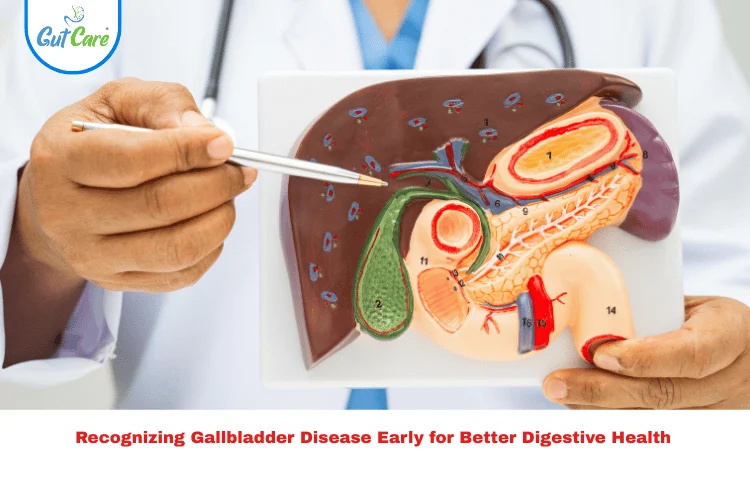
The gallbladder is a small organ located under the liver that helps digest fats by storing and releasing bile. When this organ does not function properly, it can lead to discomfort and digestive problems. gallbladder disease often begins with mild symptoms that people ignore, assuming they are simple stomach issues. However, recognizing early signs can prevent serious complications. Understanding how the gallbladder works and noticing unusual digestive changes can help you take timely action and protect your overall digestive health.
“ Don’t ignore recurring digestive pain. Book your consultation today and take control of your digestive health. “
What Is Gallbladder Disease?
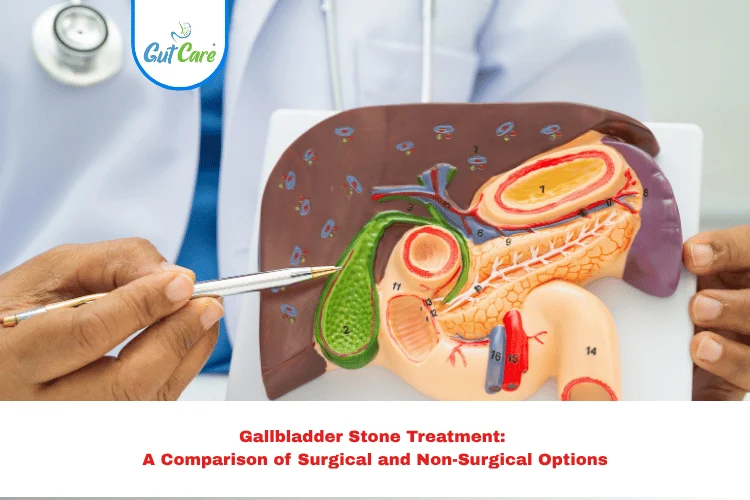
Gallbladder disease refers to conditions that affect the function or structure of the gallbladder. The most common issue is gallstones, which are hardened deposits that form inside the organ. Other conditions include inflammation and blockage of bile flow.
When gallbladder disease develops, bile cannot move freely, leading to pain and digestive disturbances. Risk factors include obesity, rapid weight loss, high-fat diets, diabetes, and family history. Women are also more prone to developing this condition.
Many patients initially mistake symptoms for acidity or indigestion. That is why early diagnosis plays a crucial role in preventing complications.
Persistent Upper Right Abdominal Pain
One of the most common early signs of gallbladder disease is pain in the upper right side of the abdomen. This pain may:
- Start suddenly after eating fatty foods
- Spread to the back or right shoulder
- Last from minutes to several hours
This discomfort is often described as sharp or cramping. Unlike simple indigestion, this pain tends to return in episodes. If the pain becomes severe or frequent, it is important to consult a medical professional immediately.
Nausea and Vomiting After Eating
Frequent nausea, especially after heavy meals, may signal gallbladder disease. When bile flow is disrupted, digestion becomes inefficient. This can cause:
- Feeling sick after meals
- Vomiting
- Loss of appetite
If these symptoms continue for weeks, they should not be ignored. Persistent digestive distress requires medical evaluation to rule out gallbladder complications.
Bloating, Gas, and Indigestion
Many people with gallbladder disease experience bloating and excessive gas. These symptoms often appear after consuming fried or oily foods. While occasional bloating is normal, repeated episodes combined with abdominal discomfort may indicate a deeper issue.
Other digestive symptoms may include:
- Heartburn
- A feeling of fullness
- Irregular bowel habits
These warning signs may appear mild but can worsen if untreated.
Fever or Chills
If gallbladder disease progresses to inflammation or infection, fever and chills may develop. This situation requires urgent medical care. Do not delay seeking help if abdominal pain is accompanied by fever.
Changes in Skin or Eye Color
Yellowing of the skin or eyes may indicate a bile duct blockage. This is a serious symptom and needs immediate medical attention.
Why You Shouldn’t Ignore Early Signs of Gallbladder Disease
Ignoring the early warning signs of gallbladder disease can allow a manageable condition to develop into a serious health problem. Mild symptoms such as occasional abdominal pain, nausea after meals, or bloating may seem harmless at first. However, these signs can indicate gallstones or inflammation that may worsen over time. If left untreated, complications like severe pain, infection, or bile duct blockage can occur. Early medical evaluation helps identify the problem before it progresses, allowing safer treatment options and reducing the risk of emergency situations. Acting promptly protects your digestive health and overall well-being.
Expert Care and Treatment Options
When symptoms persist, consulting a specialist is important. Dr. Yuvrajsingh Gehlot, an experienced colorectal surgeon, evaluates digestive symptoms carefully to identify the root cause. Though gallbladder conditions primarily involve hepatobiliary care, expert digestive assessment ensures no related intestinal issues are overlooked.
At Gutcare Clinics (located in Bangalore), patients receive structured evaluation and evidence-based treatment plans. The team focuses on accurate diagnosis through physical examination, ultrasound, and blood tests.
Treatment options for gallbladder disease may include:
- Dietary modifications
- Medication to manage symptoms
- Minimally invasive surgery when required
In many cases, laparoscopic gallbladder removal is recommended if symptoms are frequent or severe. This procedure is safe and allows faster recovery.
Gutcare Clinics emphasizes patient education so individuals understand their condition and treatment pathway clearly.
Preventing Gallbladder Problems
Prevention plays a key role in reducing the risk of gallbladder disease. Simple lifestyle changes can make a big difference.
1. Maintain a Healthy Weight
Avoid rapid weight loss. Gradual weight management reduces gallstone risk.
2. Eat a Balanced Diet
Include fiber-rich foods, fruits, vegetables, and whole grains. Reduce fried and processed foods.
3. Stay Active
Regular exercise improves digestion and metabolic health.
4. Manage Underlying Conditions
Control diabetes and cholesterol levels through proper medical care.
Preventive strategies discussed at Gutcare Clinics focus on sustainable lifestyle adjustments rather than quick fixes.
Advanced Diagnostic Approach
Modern diagnostic methods help detect gallbladder disease early. These include:
- Ultrasound imaging
- Liver function tests
- Abdominal examination
- Digestive system assessment
An integrated digestive evaluation ensures no related complications are missed. Patients consulting Dr. Yuvrajsingh Gehlot benefit from a comprehensive approach that prioritizes long-term digestive wellness.
Living Well After Treatment
Most individuals recover quickly after appropriate treatment. Post-treatment guidance includes:
- Gradual reintroduction of normal diet
- Hydration
- Light physical activity
- Regular follow-up visits
The goal is to restore digestive comfort and prevent recurrence. Early detection significantly improves outcomes.
Summary
Recognizing early symptoms of gallbladder disease can prevent serious complications. Persistent abdominal pain, nausea after meals, bloating, and fever are warning signs that require attention. Simple lifestyle adjustments can reduce risk, but medical evaluation is essential when symptoms continue.
Professional guidance from experienced specialists ensures accurate diagnosis and safe treatment. If digestive discomfort keeps returning, do not ignore it.
FAQs
1. What are the first signs of gallbladder disease?
Early signs of gallbladder disease include upper right abdominal pain, nausea after meals, and bloating.
2. Can diet trigger gallbladder disease symptoms?
Yes, fatty and fried foods often worsen gallbladder disease symptoms by increasing bile demand.
3. Is gallbladder disease serious?
If untreated, gallbladder disease can lead to complications, so early medical consultation is important.
4. What are the common symptoms of gallbladder disease?
Common symptoms of gallbladder disease include pain in the upper right abdomen, nausea after meals, bloating, and discomfort after eating fatty foods. In some cases, fever or yellowing of the skin may also occur.
5. How is gallbladder disease treated?
Treatment depends on the severity of the condition. Mild cases may be managed with dietary changes and medication, while more serious cases may require surgical removal of the gallbladder for long-term relief.