Gallbladder pain can start as mild discomfort and slowly become intense if ignored. Many people confuse it with simple stomach upset, acidity, or indigestion. But when this pain keeps coming back or worsens after meals, it may signal a deeper problem. Understanding how it feels, where it occurs, and when it needs medical attention is important. Early recognition helps prevent complications and protects overall digestive health. This guide explains symptoms clearly, so you can act at the right time and avoid unnecessary suffering.
“ Feeling repeated upper abdominal discomfort? Don’t wait for it to worsen. Get clarity. Get checked. Protect your health.”
What Is the Gallbladder and What Does It Do?
The gallbladder is a small pear-shaped organ located under the liver on the right side of the abdomen.
Function of the Gallbladder
Its main job is to store bile, a digestive fluid produced by the liver. Bile helps break down fats in the food we eat. When you consume fatty meals, the gallbladder releases bile into the small intestine to support digestion.
If the gallbladder becomes inflamed or blocked by stones, pain can develop. That is when gallstone pain becomes noticeable and may require medical evaluation.
What Does Gallbladder Pain Feel Like?
Most people describe gallbladder pain as a sharp, cramping, or squeezing discomfort in the upper right abdomen. It can also feel like:
- Sudden intense pressure
- A deep aching sensation
- Pain that spreads to the right shoulder or upper back
- Discomfort that worsens after eating fatty food
Unlike regular stomach pain, gallstone pain often builds gradually and may last from 30 minutes to several hours.
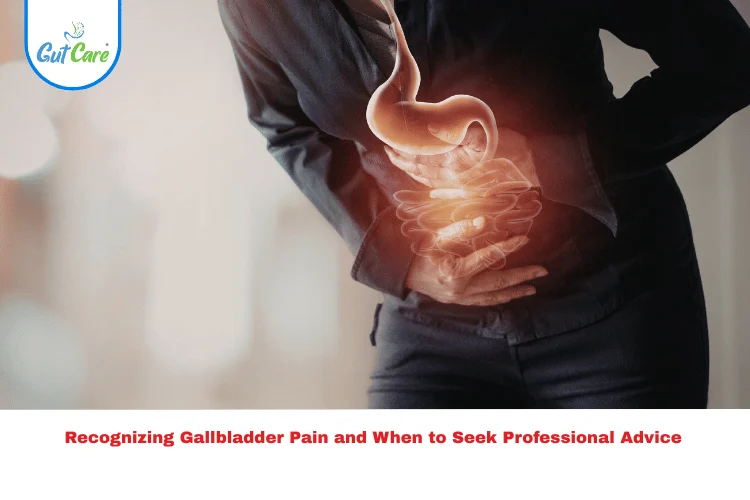
Where Is Gallbladder Pain Located?
The pain is usually felt:
- In the upper right side of the abdomen
- Just below the rib cage
- Sometimes in the center of the upper abdomen
- Radiating toward the back or right shoulder blade
Location helps doctors distinguish gallstone pain from other abdominal conditions.
When Does Gallbladder Pain Usually Occur?
Episodes commonly happen:
- After heavy or oily meals
- Late in the evening
- During the night
- After long gaps between meals
Many patients report that gallbladder pain wakes them from sleep. This pattern is important for diagnosis.
Common Signs You Shouldn’t Ignore
While mild discomfort may settle on its own, certain symptoms require attention:
- Persistent upper abdominal pain
- Nausea or vomiting
- Fever with chills
- Yellowing of the eyes or skin
- Dark urine or pale stools
If gallbladder pain is combined with fever or vomiting, medical evaluation should not be delayed.
Causes of Gallbladder Pain
The most common causes include:
- Gallstones blocking bile flow
- Inflammation of the gallbladder
- Bile duct obstruction
- Infection
Gallstones are hardened deposits that form when bile contains too much cholesterol or bilirubin. When stones block bile movement, pressure builds up, triggering gallbladder pain.
Gallbladder Pain vs. Other Abdominal Pain
It is easy to confuse gallbladder pain with acidity, gastritis, or muscle strain. However:
- Acidity causes burning in the chest
- Gastritis creates diffuse upper stomach discomfort
- Muscle pain worsens with movement
In contrast, gallbladder pain often comes in waves and is closely linked to meals.
Why Understanding Gallbladder Pain Is Important
Recognizing symptoms early prevents serious complications such as infection or blockage of bile ducts. Ignoring repeated episodes of gallbladder pain can lead to worsening inflammation and emergency situations.
Early detection reduces the need for urgent intervention and supports smoother recovery.
Diagnostic Tests for Gallbladder Problems
Doctors may recommend:
- Ultrasound scan
- Blood tests
- Liver function tests
- CT scan (if required)
Ultrasound is the most common and reliable test for detecting gallstones and inflammation. Accurate diagnosis helps confirm whether gallbladder pain is truly gallbladder-related.
Treatment Options
Treatment depends on severity:
1. Medications
Pain relief and antibiotics if infection is present.
2. Lifestyle Changes
- Reduce oily food
- Eat smaller meals
- Maintain healthy weight
3. Surgical Treatment
If stones cause repeated gallbladder pain, removal of the gallbladder may be advised. This procedure is commonly performed and safe.
Prevention Tips
To reduce risk:
- Maintain balanced diet
- Avoid sudden weight loss
- Stay hydrated
- Exercise regularly
- Avoid long fasting gaps
Healthy habits reduce the chances of recurrent gallbladder pain.
Expert Care and When to Consult
At Gutcare Clinics (located in Bangalore), digestive conditions are evaluated with a structured approach. If you experience repeated abdominal discomfort, timely consultation can prevent complications. Early diagnosis improves outcomes and reduces long-term risks.
Dr. Yuvrajsingh Gehlot, a colorectal surgeon, emphasizes that persistent abdominal pain should never be ignored. Clear evaluation ensures that symptoms are accurately identified and treated before they worsen.
Summary
Gallbladder pain often begins quietly but can become severe if untreated. It typically appears in the upper right abdomen, worsens after fatty meals, and may radiate to the back or shoulder. Understanding symptoms, causes, and warning signs helps prevent complications.
If discomfort is persistent, medical consultation is essential. Early care supports safer treatment and smoother recovery. At Gutcare Clinics, patients receive structured evaluation and guidance for gallbladder-related concerns to ensure timely and appropriate care.
FAQs
1. What does gallbladder pain usually feel like?
It often feels like sharp upper right abdominal pain that may spread to the back, especially after fatty meals.
2. When should I worry about gallbladder pain?
If pain lasts more than a few hours or comes with fever, nausea, or yellowing of eyes, seek medical care immediately.
3. How is gallbladder pain diagnosed?
Doctors use ultrasound and blood tests to confirm gallstones or inflammation.
4. Can gallbladder pain go away without surgery?
Mild cases may improve with diet changes, but repeated episodes often require further evaluation.
5. Where can I consult for gallbladder pain in Bangalore?
Gutcare Clinics offers structured digestive evaluation and appropriate treatment guidance.