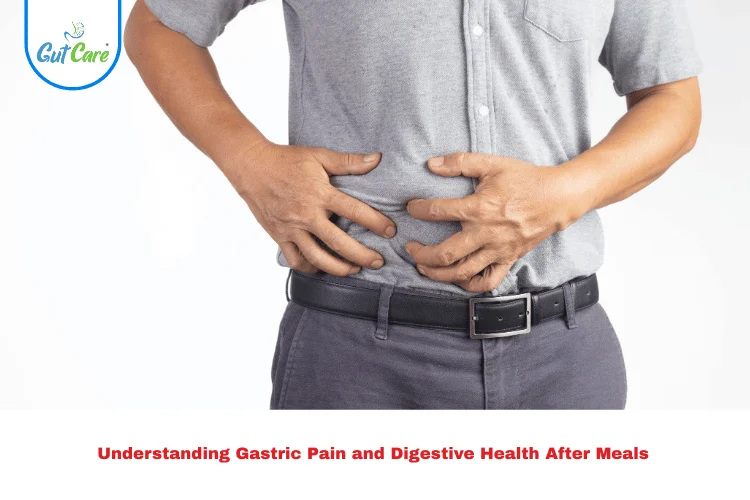

Have you ever felt a burning sensation in your chest after a heavy meal or late-night snack? Many people assume it is just occasional heartburn, but when it happens repeatedly, it may be linked to GERD and acid reflux. This common digestive issue affects millions of adults, especially those with busy lifestyles, irregular meals, and high-spice diets.
If you frequently experience chest burning, regurgitation, or discomfort after eating, your digestive system may be struggling to keep stomach acid where it belongs. Understanding GERD and acid reflux can help you identify triggers, prevent symptoms, and improve your long-term digestive health. In this guide, specialists at Gutcare Clinics explain why heartburn keeps returning and what you can do to manage it effectively.
“ Consult Gutcare Clinics today for expert care and relief from GERD and acid reflux symptoms.”
What Is the Difference Between GERD and Acid Reflux?
These two terms are often used together, and it helps to understand how they relate to each other.
Acid reflux is what happens when the natural digestive fluid in your stomach moves back up into the food pipe. This causes the burning feeling in your chest that most people recognise as heartburn. Almost everyone experiences acid reflux occasionally, particularly after a large or spicy meal, and it is usually nothing to be concerned about.
GERD, which stands for Gastroesophageal Reflux Disease, is what doctors call it when acid reflux becomes a regular, ongoing pattern rather than an occasional event. If you are experiencing heartburn or related discomfort two or more times a week consistently, that moves beyond simple acid reflux into the territory of GERD and acid reflux as a condition that benefits from proper medical attention.
The key difference is frequency and impact. Occasional reflux is normal. Persistent GERD and acid reflux that disrupts your sleep, your meals, and your daily comfort is worth addressing properly.
For a deeper comparison, read our guide: Acid Reflux vs GERD: Understanding the Difference
Why Does Heartburn Keep Coming Back? Common Causes of GERD and Acid Reflux
Understanding what triggers your symptoms is one of the most useful steps you can take. GERD and acid reflux tend to recur for a number of connected reasons:
1. The Food You Eat Regularly
Certain foods are well known for relaxing the valve between your food pipe and your stomach, which makes it easier for digestive fluid to flow back up. The most common ones include:
• Spicy and heavily seasoned foods
• Oily, fried, or fast food eaten regularly
• Citrus fruits and tomato-based dishes
• Chocolate and mint
• Tea, coffee, and drinks that contain caffeine
If several of these are a regular part of your diet, they may be contributing to your ongoing GERD and acid reflux symptoms more than you realise.
Curious about how spicy food really affects your gut? Read: Spicy Food and Gut Health: Myth vs Reality
2. Eating Habits and Meal Timing
It is not just what you eat but how and when. Eating large meals, lying down shortly after eating, eating very quickly, or having your last meal close to bedtime can all encourage digestive fluid to move back up. Your body needs time and an upright posture to digest properly.
3. Extra Weight Around the Middle
Carrying additional weight, particularly around the abdominal area, puts gentle but persistent pressure on the stomach. This increases the likelihood of digestive fluid being pushed upward, which is why GERD and acid reflux tend to improve when people manage their weight through a balanced diet and regular movement.
4. Smoking and Frequent Alcohol
Both smoking and frequent alcohol use affect the natural function of the valve that keeps stomach contents in place. If either of these is part of your daily routine, they may be a significant contributing factor to why your symptoms keep returning.
5. High Stress Levels
Stress does not directly cause GERD and acid reflux, but it significantly affects how your digestive system functions. Many people notice that their symptoms worsen during stressful periods at work or in their personal lives. Managing stress is genuinely part of managing this condition well.
Recognising GERD and Acid Reflux Symptoms in Adults
GERD and acid reflux show up in ways that are not always immediately obvious. Beyond the typical chest burning, here are some signs that your digestive system may be under consistent strain:
• A burning sensation in the chest or throat that happens regularly, especially after meals or at night
• A sour or unpleasant taste that comes up into the mouth, particularly when lying down
• A feeling of something being stuck in your throat or chest
• Regular burping or a bloated, heavy feeling after eating
• A dry cough that persists without an obvious reason
• A slightly hoarse voice in the mornings
• Disturbed sleep due to discomfort, particularly when lying flat
If several of these are part of your regular experience, it is worth speaking to a gastroenterologist rather than continuing to manage purely with over-the-counter remedies.
Not sure whether what you are experiencing is GERD or something else? Our gastroenterologist team in Indiranagar can help you get clarity Learn about GERD vs Gastritis here.
How to Manage GERD and Acid Reflux: Practical Steps That Make a Difference
The good news about GERD and acid reflux is that many people experience significant relief through simple lifestyle changes. Developing healthy daily habits can help reduce symptoms and support better digestive comfort.
Build a GERD-Friendly Diet
Choose foods that are gentle on your digestive system and try to identify your personal trigger foods. Helpful habits include:
• Eat smaller, more frequent meals instead of large portions
• Include easy-to-digest foods like oats, bananas, boiled vegetables, curd in moderation, and whole grains
• Reduce very spicy, oily, and heavily processed foods
• Drink enough water throughout the day
• Avoid eating within two to three hours before bedtime
Adjust Eating Habits
Eat slowly and chew your food well. Avoid rushing meals, and try to remain upright for some time after eating. A short walk after meals can also support digestion.
Improve Sleep Position
Many people notice symptoms at night. Slightly elevating the head of your bed or sleeping on your left side may help reduce nighttime discomfort.
When to Seek Medical Advice
If lifestyle changes do not improve GERD and acid reflux symptoms, consulting a gastroenterologist Meet Dr. Yuvraj Singh Gehlot, Gutcare Clinics can help identify the cause and provide appropriate treatment guidance.
Learn more about what happens when GERD is left unaddressed: GERD Complications: What Happens When Acid Reflux Is Ignored
A Real-Life Example: From Daily Discomfort to Lasting Relief
Before: Meera, a 39-year-old marketing professional from Bangalore, had been dealing with a burning feeling in her chest almost every evening for two years. She ate late most nights due to her work schedule, relied heavily on tea and coffee throughout the day, and had been managing with antacids from the pharmacy. She assumed it was just stress and something she had to live with.
After: After a consultation with our gastroenterologist at Gutcare Clinics in Indiranagar, Meera received a clear explanation of her GERD and acid reflux pattern and a personalised plan covering meal timing, dietary adjustments, and a short course of medication to allow her food pipe to settle. Within six weeks, her evening discomfort had reduced significantly and she was sleeping through the night again. “I had no idea how much my daily habits were affecting things,” she said. “Once I understood it properly, the changes were actually very manageable.”
Meera’s story is a good reminder that GERD and acid reflux, while very common, respond well to the right guidance. Most people feel noticeably better once they have a proper plan in place.
Take the First Step Towards Better Digestive Health
If GERD and acid reflux have been a regular part of your life, you do not have to simply accept that this is how things are. With the right understanding, a few consistent lifestyle adjustments, and support from an experienced specialist when needed, most people find genuine and lasting relief.
At Gutcare Clinics in Indiranagar, Bangalore, our gastroenterologist team is experienced in helping patients with GERD and acid reflux get back to feeling comfortable and confident in their daily lives. Whether you have been dealing with symptoms for a few weeks or a few years, we are here to listen, assess, and guide you clearly.
Book Your GERD Consultation at Gutcare Clinics, Bangalore
Find us here: Gutcare Clinics, Indiranagar, Bangalore | Learn more about GERD and acid reflux treatment
FAQs
1. Can GERD and acid reflux be cured permanently?
Many people manage GERD and acid reflux effectively through lifestyle changes and proper treatment. With healthy habits, symptoms can reduce significantly or disappear for long periods.
2. What are the best foods to eat if you have GERD?
Gentle foods like oats, bananas, cooked vegetables, brown rice, and lean protein are helpful. Eating smaller meals and staying well hydrated also supports digestion.
3. How is GERD different from gastritis?
GERD and acid reflux involve digestive fluid moving upward into the food pipe. Gastritis mainly affects the stomach lining and may cause similar digestive discomfort.
4. Is it safe to keep taking antacids every day?
Occasional use of antacids is generally fine, but relying on them daily for an extended period is worth discussing with a doctor. They manage the immediate discomfort without addressing the underlying cause, and long-term frequent use can sometimes affect your body in other ways. A gastroenterologist can help you find a more sustainable solution.
5. Who should I see for GERD in Bangalore?
A gastroenterologist is the right specialist for GERD and acid reflux care. Gutcare Clinics in Indiranagar provides personalized digestive health support.