
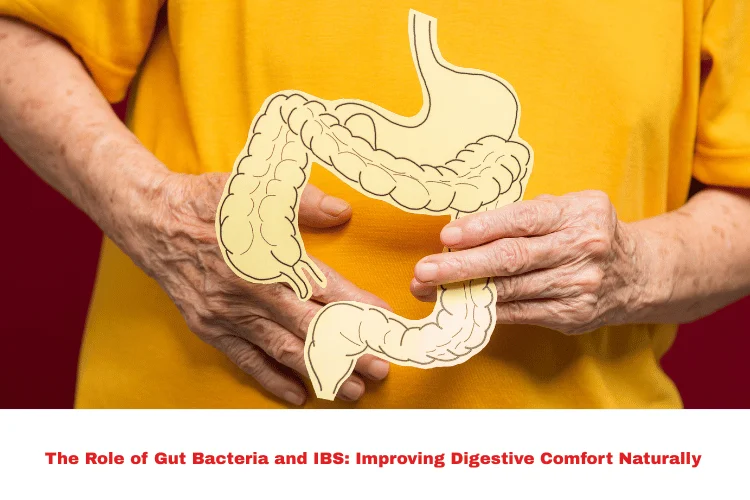
Digestive comfort depends greatly on the balance of bacteria living inside the gut. Gut bacteria and IBS are closely linked, as changes in the microbiome can influence how the digestive system reacts to food, stress, and daily habits. When this balance is disturbed, it may lead to symptoms such as bloating, irregular bowel movements, and abdominal discomfort. Understanding how the microbiome affects digestion helps explain why IBS symptoms can fluctuate over time. By learning how gut bacteria function and what supports their balance, individuals can take informed steps toward improving digestive comfort and overall gut health.
“ Your gut speaks every day—listen early, care wisely, and feel better longer.”
Introduction: The Connection Between Gut Bacteria and IBS
The digestive system depends on trillions of microscopic organisms working together. In people experiencing IBS symptoms, this internal system may be out of balance. Research increasingly shows that gut bacteria and IBS are linked through digestion, sensitivity, and immune response. When bacteria diversity shifts, digestion may slow down, speed up, or react more strongly to food and stress.
What Is Gut Bacteria and Why It Matters for Digestive Health
Gut bacteria are beneficial organisms living in the digestive tract. They help break down food, absorb nutrients, support immunity, and protect the gut lining. Healthy gut bacteria create stability in digestion, while imbalance can lead to bloating, irregular bowel habits, and discomfort. Balanced bacteria help the digestive system respond calmly instead of reacting sharply to everyday triggers.
Understanding IBS and Its Impact on Daily Digestive Comfort
IBS is a functional digestive condition that affects how the gut moves and reacts. People may notice changes in bowel habits, bloating, or abdominal unease. These symptoms often fluctuate and may worsen during stress or dietary changes. The connection between gut bacteria and IBS explains why symptoms may persist even when tests appear normal.
How the Gut Microbiome Influences IBS Symptoms
The gut microbiome communicates directly with the digestive nerves and immune system. When bacterial balance shifts, the gut may become more sensitive. This can lead to exaggerated responses to food, stress, or routine digestion. In many cases, gut bacteria and IBS symptoms rise together due to this heightened sensitivity.
Gut Bacteria Imbalance and Common IBS Triggers
Several factors can disturb gut bacteria balance, including irregular meals, processed foods, dehydration, poor sleep, and stress. Antibiotic overuse may also reduce helpful bacteria. Once imbalance begins, digestive discomfort may appear more frequently, reinforcing the cycle seen in gut bacteria and IBS patterns.
Signs Your Gut Microbiome May Be Affecting IBS
Common signs include frequent bloating, gas after meals, changes in bowel rhythm, fatigue, and discomfort that fluctuates without a clear cause. These signals often suggest that gut bacteria are struggling to maintain balance. Identifying this early allows for supportive changes before symptoms become persistent.
The Role of Gut Inflammation and Sensitivity in IBS
When gut bacteria are imbalanced, the gut lining may become more reactive. This sensitivity can cause discomfort even during normal digestion. Supporting bacterial balance helps calm this reaction and reduces the over-response that often links gut bacteria and IBS discomfort.
How Gut Bacteria Affects Digestion, Bloating, and Bowel Habits
Healthy bacteria aid smooth digestion and regular bowel movement. When balance is lost, food may ferment improperly, causing gas and bloating. This explains why restoring balance is often central to improving gut bacteria and IBS-related symptoms in a lasting way.
Supporting Healthy Gut Bacteria for Better IBS Comfort
Supporting gut bacteria begins with consistency. Balanced meals, adequate hydration, stress management, and routine sleep all help bacteria thrive. Gentle digestive habits allow the gut to reset and reduce sensitivity over time. This approach addresses the root of gut bacteria and IBS concerns rather than masking symptoms.
Diet and Lifestyle Habits That Influence the Gut Microbiome
Fiber-rich foods, fermented options, and regular meal timing encourage bacterial diversity. Avoiding excessive processed foods and eating mindfully helps digestion stay calm. Daily movement and breathing practices also support gut-brain communication, which plays a key role in gut bacteria and IBS balance.
How Gut Bacteria Shape IBS Symptoms and Everyday Digestive Comfort
Gut bacteria play a vital role in maintaining digestive comfort, especially for individuals experiencing IBS. These beneficial microorganisms help break down food, regulate gas production, and support smooth bowel movements. When gut bacteria are balanced, digestion feels steady and comfortable. However, in IBS, changes in the gut microbiome can make the digestive system more sensitive. This sensitivity may cause bloating, irregular bowel habits, or discomfort even after routine meals.
An imbalanced gut microbiome can also affect how the digestive tract responds to stress and everyday triggers. Normal digestive activity may feel uncomfortable because gut nerves react more strongly. This is why IBS symptoms often fluctuate and seem unpredictable. Supporting gut bacteria through consistent meals, balanced nutrition, hydration, and stress awareness can help improve digestive comfort over time. Understanding the link between gut bacteria and IBS allows individuals to manage symptoms more confidently and take practical steps toward steadier digestion and better daily wellbeing.
Can Restoring Gut Bacteria Balance Improve IBS Symptoms?
For many people, yes. When bacterial balance improves, digestion becomes more predictable and comfortable. Restoring balance does not mean quick fixes, but steady care guided by professional insight. Long-term improvement often depends on understanding how gut bacteria and IBS interact uniquely in each person.
When to Seek Professional Guidance for IBS and Gut Health
If symptoms interfere with daily life or continue despite lifestyle changes, professional guidance is important. A colorectal surgeon can assess digestive patterns, rule out concerns, and guide personalized care. This is especially valuable when symptoms repeat or worsen.
At this stage, many individuals benefit from evaluation at Gutcare Clinics, located in Bangalore, where digestive health is approached with clarity, patience, and evidence-based guidance.
Long-Term Gut Microbiome Care for IBS Management
Long-term care focuses on stability rather than short-term relief. Regular follow-ups, nutritional guidance, and lifestyle alignment help maintain bacterial balance. Under the guidance of Dr. Yuvrajsingh Gehlot, a trusted colorectal surgeon, patients receive structured support tailored to their digestive needs.
Gutcare Clinics emphasizes education, gentle evaluation, and sustainable care strategies that help patients regain confidence in their digestive health.
Conclusion: Improving Digestive Comfort by Supporting Gut Bacteria
Digestive comfort improves when the body’s internal balance is respected and supported. Understanding the relationship between gut bacteria and IBS allows people to respond early, make informed lifestyle choices, and seek expert care when needed. With guided support, many individuals experience steadier digestion and improved daily comfort.
For those needing specialized insight, Gutcare Clinics in Bangalore offers expert-led digestive care focused on clarity, comfort, and long-term wellbeing.
FAQs
1. How are gut bacteria and IBS connected?
Gut bacteria influence digestion, sensitivity, and bowel habits, which directly affect IBS symptoms.
2. Can diet changes help gut bacteria balance?
Yes, consistent meals, fiber intake, and hydration support healthy gut bacteria naturally.
3. How long does it take to improve gut balance?
Improvement varies, but steady habits often show results over weeks with proper guidance.
4. When should I see a colorectal surgeon for IBS?
If symptoms persist or affect daily life, professional evaluation is recommended.
5. How do gut bacteria affect IBS symptoms?
Gut bacteria help regulate digestion and bowel movement. When their balance changes, IBS symptoms like bloating and discomfort may increase.