
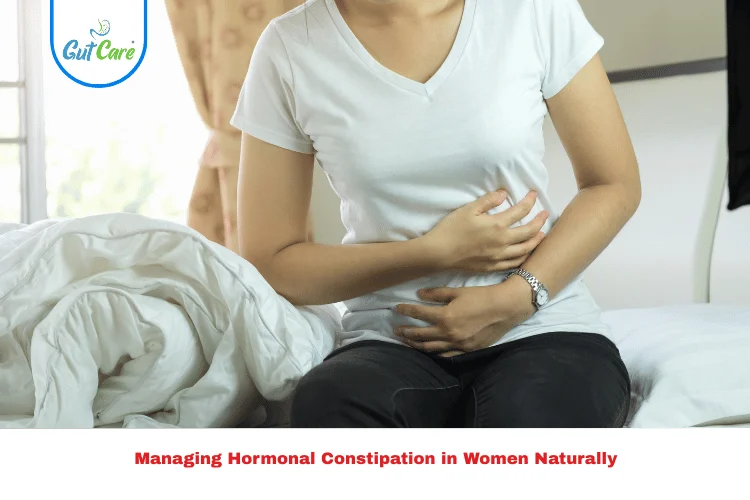
Hormonal constipation in women is more common than often recognized and is not caused only by diet or lifestyle. Hormonal fluctuations during menstruation, pregnancy, and menopause directly affect digestive function. Understanding these hormonal influences helps women recognize symptoms early and seek appropriate care when needed, including professional evaluation at Gutcare Clinics in Bangalore for persistent or uncomfortable digestive concerns.
“Struggling with recurring constipation? Get expert care today. Book your consultation now.”
What Is Hormonal Constipation in Women?
Hormonal constipation occurs when changes in female hormones reduce intestinal contractions. Estrogen and progesterone play a vital role in regulating bowel movement. When their levels fluctuate, intestinal movement slows, resulting in hard stools and infrequent bowel movements.
Unlike lifestyle-related constipation, hormonal constipation often follows a cyclical pattern linked to specific life stages.
Understanding the Hormonal Connection
The digestive system is highly sensitive to hormonal balance. Hormonal constipation in women may occur when:
- Progesterone levels rise, causing relaxation of intestinal muscles
- Estrogen fluctuations affect fluid absorption in the colon
- Stress hormones interfere with gut-brain communication
These changes reduce gut motility even when diet and hydration are adequate.
Common Causes of Hormonal Constipation in Women
Several life stages and conditions contribute to hormonal constipation in women, including:
Menstrual Cycle Changes
Constipation before menstruation is common due to increased progesterone levels.
Pregnancy
Pregnancy hormones slow digestion, and the growing uterus adds pressure on the intestines.
Menopause
Lower estrogen levels reduce intestinal efficiency and stool softness.
Thyroid Imbalance
Low thyroid hormone levels are strongly associated with constipation.
Reproductive Hormone Medications
Contraceptive pills or fertility treatments may alter bowel movement patterns.
Common Symptoms of Hormonal Constipation in Women
Women experiencing hormonal constipation may notice:
- Fewer than three bowel movements per week
- Hard or dry stools
- Abdominal bloating and heaviness
- Straining during bowel movements
- Feeling of incomplete evacuation
- Worsening symptoms during specific hormonal phases
Persistent symptoms should not be ignored.
Diagnosis and Medical Evaluation
Diagnosing hormonal constipation requires more than symptom discussion. Medical evaluation may include:
- Hormonal blood tests
- Thyroid function tests
- Bowel habit assessment
- Colon evaluation if symptoms are long-standing
At Gutcare Clinics in Bangalore, assessments are guided by colorectal specialists, including Dr. Yuvrajsingh Gehlot, who focuses on identifying the root cause rather than only treating symptoms.
Treatment Options for Hormonal Constipation
Effective care for hormonal constipation in women involves a combination of lifestyle support and medical treatment.
Lifestyle and Dietary Support
- High-fiber diet including fruits, vegetables, and whole grains
- Adequate water intake
- Regular physical activity
- Consistent bowel and meal timings
Natural Relief Options
- Magnesium-rich foods
- Probiotics to support gut microbiota
- Stress-management techniques
Medical Treatment
In moderate to severe cases, treatment may include:
- Hormone-balancing therapy when appropriate
- Gut-motility medications or short-term laxatives
- Targeted treatment for thyroid or gynecological conditions
Treatment is always tailored to the woman’s life stage and health profile.
Solutions to Hormonal Constipation in Women
Managing hormonal constipation in women requires a combination of approaches that support digestion while addressing hormonal imbalance. The most effective solution often depends on a woman’s life stage and symptom severity.
Diet-Based Support
A fiber-rich diet helps soften stools and improve bowel regularity. Including vegetables, fruits, whole grains, and pulses supports healthy digestion. Adequate water intake prevents stools from becoming dry and hard.
Regular Physical Activity
Light to moderate exercise such as walking, yoga, or stretching stimulates intestinal movement and helps counter hormone-related slowing of the bowels.
Stress Management
Hormonal balance is closely linked to stress levels. Practices like deep breathing, meditation, and proper sleep help regulate the gut–brain connection and maintain bowel consistency.
Creating a Bowel Routine
Using the toilet at fixed times daily trains the body for regular bowel movements. Avoid delaying the urge to pass stools.
Prevention Tips for Hormonal Constipation
Preventive measures include:
- Maintaining regular meal schedules
- Responding promptly to bowel urges
- Managing stress effectively
- Reviewing medications with a physician
- Scheduling regular digestive health check-ups
Early intervention helps prevent complications.
When to Seek Expert Care
If constipation lasts longer than two weeks or worsens, medical evaluation is essential. Hormonal constipation may indicate underlying hormonal or metabolic imbalance that requires professional care. Specialized digestive and colorectal services for women are available at Gutcare Clinics.
Final Thoughts
Hormonal constipation in women is real, common, and treatable. Understanding the hormonal connection helps women stop blaming themselves and start getting proper care. From simple lifestyle changes to expert medical treatment, the right approach restores comfort and confidence.
FAQs
1. What are the 5 common signs of hormonal imbalance?
Common signs include irregular bowel habits, fatigue, mood changes, weight fluctuations, and sleep disturbances, indicating the body’s hormones may be out of balance.
2. How to fix hormonal constipation?
Hormonal constipation can be improved with a fiber-rich diet, adequate hydration, regular exercise, stress control, and consistent bowel habits. If symptoms persist, medical evaluation helps identify and treat underlying hormonal imbalance.
3. Does stress worsen hormonal constipation in women?
Yes. Stress hormones can slow digestion and worsen hormonal constipation in women.
4. When should I see a doctor for hormonal constipation in women?
If symptoms persist beyond two weeks or keep returning, medical consultation is recommended.
5. What female hormone causes constipation?
Progesterone is the main hormone linked to constipation, as higher levels relax intestinal muscles and slow bowel movement, especially during pregnancy or before menstruation.