
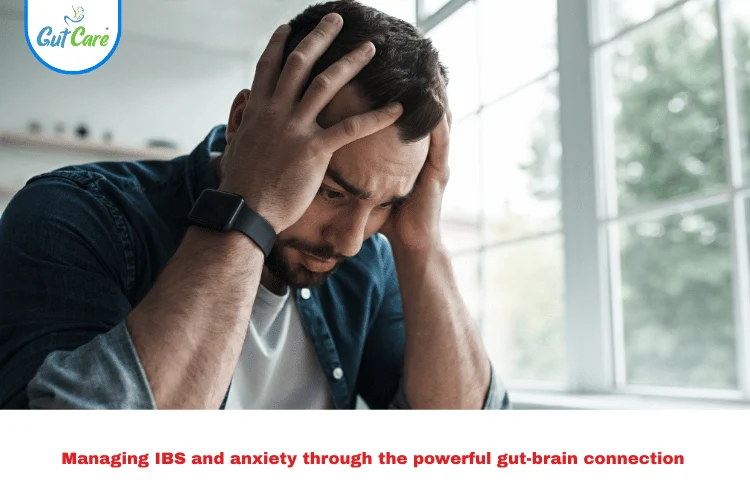
Many people living with irritable bowel syndrome notice that their digestive symptoms worsen during periods of stress or emotional strain. This connection is not accidental. IBS and anxiety are closely linked through the gut-brain connection, a communication network between the digestive system and the brain. When anxiety increases, it can affect bowel movements, gut sensitivity, and overall digestive comfort. At the same time, ongoing digestive problems can heighten worry and emotional distress. Understanding this powerful relationship helps individuals recognize symptoms early, manage triggers effectively, and seek the right medical guidance for long-term relief.
“ Struggling with gut discomfort and stress? Get expert care that treats both—book your consultation today. “
What Is IBS and How Does It Affect Digestive Health?
Irritable Bowel Syndrome (IBS) is a functional digestive condition that affects how the intestines work. It does not cause structural damage, but it can seriously impact quality of life. People with IBS may experience abdominal pain, bloating, gas, constipation, diarrhea, or a mix of both.
IBS is often influenced by diet, gut sensitivity, and emotional health. Many patients notice symptoms flare up during stressful situations, showing a strong link between digestive function and mental well-being.
Understanding Anxiety and Its Impact on the Body
Anxiety is more than just worry. It triggers physical responses such as muscle tension, faster heart rate, and changes in digestion. When anxiety becomes ongoing, it can disrupt normal gut movement and increase sensitivity in the intestines.
For people dealing with IBS and anxiety, emotional stress can directly affect how the gut behaves, leading to frequent flare-ups and discomfort.
The Gut-Brain Connection: How the Mind and Digestive System Communicate
The gut and brain communicate through nerves, hormones, and chemical messengers. This system is often called the gut-brain axis. Signals travel both ways, meaning emotional stress can affect digestion, and gut discomfort can influence mood.
This explains why IBS and anxiety often appear together and why treating only digestive symptoms without addressing mental health may not bring full relief.
How Anxiety Triggers or Worsens IBS Symptoms
Anxiety can speed up or slow down bowel movements, increase gut sensitivity, and worsen pain perception. Stress hormones may also affect gut bacteria, leading to bloating and irregular digestion.
In people with IBS and anxiety, even small emotional triggers can lead to noticeable digestive symptoms, making daily routines difficult.
Common IBS Symptoms Linked to Anxiety
People experiencing IBS and anxiety may notice:
- Abdominal cramps during stressful moments
- Sudden urge to use the bathroom
- Bloating before or after anxiety episodes
- Digestive discomfort without a clear food trigger
- Feeling anxious about eating or traveling
These symptoms can create a cycle where gut issues increase anxiety, and anxiety worsens gut problems.
Why Stress and Emotional Factors Play a Major Role in IBS
Stress affects how the intestines contract and relax. Emotional pressure can also heighten pain sensitivity in the gut. Over time, this makes the digestive system more reactive.
This is why managing stress is essential when dealing with IBS and anxiety, not just focusing on food changes alone.
Can IBS Cause Anxiety? Understanding the Two-Way Relationship
Yes, digestive discomfort itself can lead to anxiety. Fear of symptoms appearing in public, concern about food choices, and unpredictable bowel habits can create emotional distress.
This two-way relationship explains why IBS and anxiety must be addressed together for effective, long-term improvement.
How IBS and Anxiety Are Diagnosed Together
Doctors diagnose IBS based on symptoms, medical history, and tests to rule out other conditions. Anxiety is identified through patient discussion and, when needed, mental health screening.
An experienced colorectal surgeon like Dr. Yuvrajsingh Gehlot, who understands both digestive and emotional factors, can help create a balanced evaluation plan for patients with IBS and anxiety.
Effective Ways to Manage IBS and Anxiety Together
Treatment works best when it addresses both the gut and the mind. Common approaches include:
- Personalized dietary guidance
- Stress-reduction techniques
- Medications to regulate bowel function
- Psychological support when needed
At Gutcare Clinics in Bangalore, treatment plans are designed to consider the full gut-brain connection, not just isolated symptoms.
Lifestyle Changes That Support Gut and Mental Health
Simple lifestyle steps can significantly help people with IBS and anxiety:
- Eating regular, balanced meals
- Staying physically active
- Practicing relaxation techniques
- Improving sleep habits
- Avoiding known personal triggers
These changes support both digestive stability and emotional balance.
When to Seek Medical Help
If symptoms interfere with daily life, cause ongoing discomfort, or increase emotional distress, it is important to consult a specialist. Early medical guidance can prevent complications and reduce long-term stress.
Patients at Gutcare Clinics benefit from structured care that looks beyond symptoms to address root causes.
Conclusion
Understanding the link between the gut and the brain is essential for managing IBS and anxiety effectively. When digestive symptoms and emotional health are treated together, patients experience better control, comfort, and confidence. With the right lifestyle changes and expert care, long-term relief is achievable.
FAQs
1. Can anxiety make IBS symptoms worse?
Yes, emotional stress can directly affect bowel movement and sensitivity, worsening IBS symptoms.
2. Is IBS caused by anxiety alone?
No, IBS has multiple triggers, but anxiety can strongly influence symptom severity.
3. How is IBS treated when anxiety is involved?
Treatment usually combines diet management, stress control, and medical care.
4. Should I see a specialist for IBS and anxiety?
Yes, specialist care helps ensure both digestive and emotional factors are addressed properly.
5.How to stop anxiety in IBS?
Anxiety in IBS can be reduced through stress management techniques like mindfulness, regular exercise, proper sleep, and a balanced diet that supports gut health.