A perianal abscess is a painful condition caused by an infection near the anus, often developing suddenly and worsening quickly if left untreated. Early symptoms may seem minor at first, but ignoring them can lead to serious complications, including fistula formation. Recognizing perianal abscess symptoms early such as pain, swelling, redness, or fever is crucial for timely medical care. Prompt diagnosis and treatment help control infection, relieve discomfort, and prevent the condition from becoming chronic. At Gutcare Clinics, early evaluation and expert care support faster recovery and better long-term outcomes.
“Don’t wait for pain to worsen—get expert care today.”
What Is a Perianal Abscess?
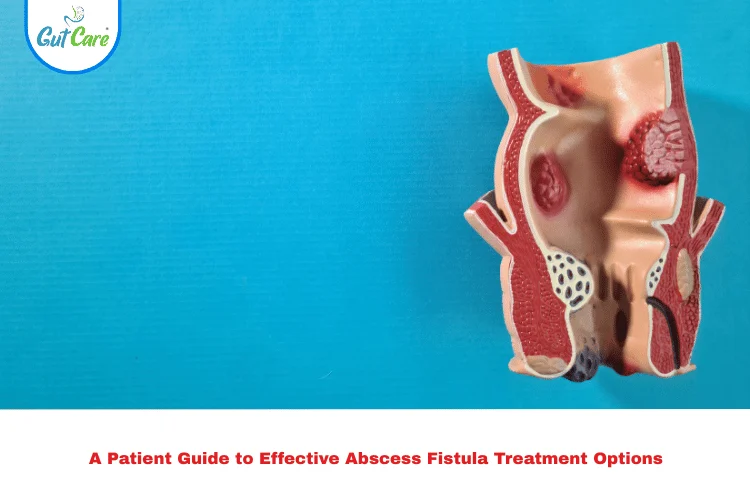
A perianal abscess is a collection of infected fluid that forms near the anus. It usually starts when small glands inside the anal canal become blocked and infected. Over time, pressure builds up, leading to pain, swelling, and inflammation.
This condition can affect anyone, but it progresses faster when left untreated. Recognizing warning signs early allows doctors to treat it before it becomes more complex.
Why Early Recognition of Perianal Abscess Symptoms Matters
Early recognition of perianal abscess symptoms helps reduce pain, shortens recovery time, and lowers the risk of complications. Prompt care often means simpler treatment and faster healing. Delayed attention may allow the infection to spread deeper into surrounding tissues.
Early Perianal Abscess Symptoms You Should Not Ignore
The body gives clear signals when infection begins. Paying attention to these perianal abscess symptoms can help prevent worsening discomfort.
Persistent Anal Pain and Tenderness Around the Anus
Constant pain near the anus that worsens while sitting or moving is one of the most common perianal abscess symptoms. The area may feel sore even without touch.
Warmth and Increased Sensitivity of the Perianal Skin
Infected tissue often feels warmer than surrounding skin. Sensitivity increases as inflammation grows, making everyday activities uncomfortable.
Pain While Sitting, Walking, or During Bowel Movements
Pain during normal movements is a key indicator that the infection is progressing and needs medical evaluation.
Fever, Chills, and Signs of Infection
As the infection spreads, perianal abscess symptoms may include fever or chills. These signs show the body is fighting infection and should not be ignored.
Fatigue and General Discomfort Associated With Perianal Abscess
Ongoing infection can cause tiredness and a general feeling of unwellness, making daily tasks harder.
Foul-Smelling Discharge or Pus Leakage
Drainage may occur if pressure increases. While pain may reduce temporarily, this does not mean the infection has resolved.
Early Perianal Abscess Symptoms You Should Not Ignore
The body gives clear signals when infection begins. Paying attention to these perianal abscess symptoms can help prevent worsening discomfort.
Persistent Anal Pain and Tenderness Around the Anus
Constant pain near the anus that worsens while sitting or moving is one of the most common perianal abscess symptoms. The area may feel sore even without touch.
Warmth and Increased Sensitivity of the Perianal Skin
Infected tissue often feels warmer than surrounding skin. Sensitivity increases as inflammation grows, making everyday activities uncomfortable.
Pain While Sitting, Walking, or During Bowel Movements
Pain during normal movements is a key indicator that the infection is progressing and needs medical evaluation.
Symptoms That May Worsen Rapidly If Ignored
Perianal abscess symptoms can escalate quickly once an infection is established. Increasing pain, throbbing discomfort, or difficulty sitting are common warning signs. Some patients experience continuous pus discharge or a foul-smelling fluid, indicating active infection. Fever and general weakness may also develop as the body reacts to the spreading bacteria. Ignoring these symptoms can allow the infection to deepen and spread to surrounding tissues, making treatment more complex.
Who Is More Likely to Develop Perianal Abscess Symptoms
Certain factors raise the risk of developing perianal abscess symptoms, including weakened immunity, digestive disorders, and poor blood sugar control.
Perianal Abscess Symptoms in Diabetic and Immunocompromised Patients
In people with diabetes or reduced immunity, healing is slower and infection spreads faster. Early evaluation is especially important in these cases.
Difference Between Perianal Abscess Symptoms and Anal Fistula Symptoms
While perianal abscess symptoms relate to active infection, a fistula is a tunnel that may form after the infection drains improperly.
Can Untreated Perianal Abscess Symptoms Lead to Fistula?
Yes. Delayed treatment increases the risk of fistula formation, which often requires surgical care.
When to See a Doctor for Perianal Abscess Symptoms
If pain, swelling, or fever lasts more than a day or worsens, medical evaluation is necessary. Persistent perianal abscess symptoms should never be managed at home.
How Perianal Abscess Is Diagnosed Based on Symptoms
Doctors diagnose the condition through physical examination and, if needed, imaging tests to assess depth and severity.
How Early Treatment Can Prevent Serious Complications
Early treatment limits infection spread, reduces pain, and prevents long-term issues. Common treatments include controlled drainage, infection management, and structured follow-up care.
After the initial phase, specialized care becomes essential. Gutcare Clinics, located in Bangalore, provides focused colorectal care led by Dr. Yuvrajsingh Gehlot, an experienced colorectal surgeon known for clear communication and patient-centered treatment. At Gutcare Clinics, treatment plans are designed to reduce recurrence, promote proper healing, and prevent complications. Patients receive guidance on recovery, hygiene, and long-term prevention under expert supervision.
Tips to Reduce the Risk of Recurrent Perianal Abscess Symptoms
- Maintain good personal hygiene
- Avoid prolonged sitting
- Manage blood sugar levels
- Seek early medical advice for recurring discomfort
- Follow post-treatment care instructions carefully
Don’t Ignore These Perianal Abscess Warning Signs
Early attention protects your health and comfort. Acting on warning signs, following medical advice, and choosing experienced care can prevent unnecessary suffering and long-term complications.
Conclusion
Perianal abscess symptoms should never be ignored, as early signs often indicate an infection that can worsen quickly without proper care. Paying attention to pain, swelling, warmth, fever, or discharge helps ensure timely treatment and faster recovery. Early medical evaluation reduces the risk of complications and supports complete healing. Simple steps such as maintaining hygiene and seeking expert advice when symptoms persist can make a significant difference. If discomfort continues or intensifies, consulting a qualified medical professional is essential. Prompt action protects your health, prevents recurrence, and helps you return to daily life with confidence and comfort.
Frequently Asked Questions
1. What is the first sign of this condition?
Early signs often include pain, warmth, and tenderness near the anus.
2. Can this problem heal without treatment?
No. Medical care is required to fully resolve the infection.
3. Who should seek care sooner than others?
People with diabetes or weak immunity should seek help early.
4. How is this condition usually treated?
Treatment may include drainage, infection control, and follow-up care.
5. Where can I get expert care in Bangalore?
Gutcare Clinics in Bangalore offers specialized care under Dr. Yuvrajsingh Gehlot.