Perianal abscess is a painful condition that develops when a small gland near the anus becomes infected, leading to a pocket of pus and swelling. Timely Perianal Abscess Treatment is essential to prevent complications and ensure faster healing.
At Gutcare Clinics, Bangalore, Dr. Yuvrajsingh Gehlot, an experienced colorectal surgeon, specializes in providing advanced and minimally invasive Perianal Abscess Treatment for safe and effective recovery. Understanding the causes, symptoms, and treatment options can help you take the right step toward relief.
What Is a Perianal Abscess ?
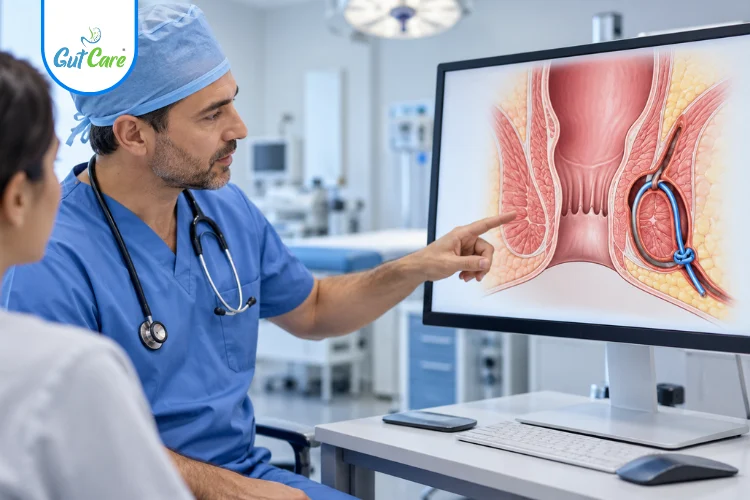
A perianal abscess is a localized infection that occurs around the anal or rectal area. It results in pus accumulation beneath the skin, causing pain, redness, and swelling. The abscess may sometimes lead to the development of a fistula if left untreated, creating a tunnel between the infected gland and the skin surface.
Perianal Abscess treatment Causes
Several factors can contribute to the formation of a perianal abscess, including:
- Infection of anal glands: Blocked glands are the most common cause.
- Poor hygiene: Can allow bacteria to grow and cause infection.
- Inflammatory bowel disease (IBD): Such as Crohn’s disease may increase the risk.
- Minor injuries: Tiny tears or trauma near the anal region can introduce bacteria.
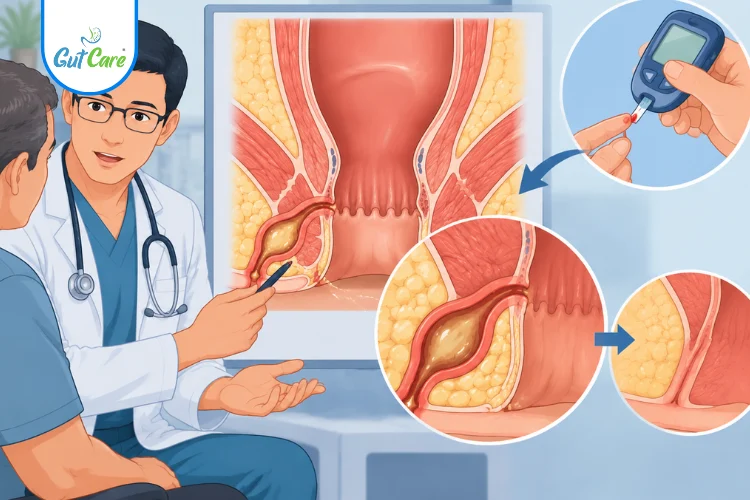
- Underlying conditions: Diabetes or weakened immunity can slow healing and increase infection risk.
Identifying the perianal abscess causes early helps in preventing recurrence and choosing the most effective treatment.
Recognizing Perianal Abscess Symptoms
Knowing the early perianal abscess symptoms can help in seeking prompt medical attention. Common signs include:
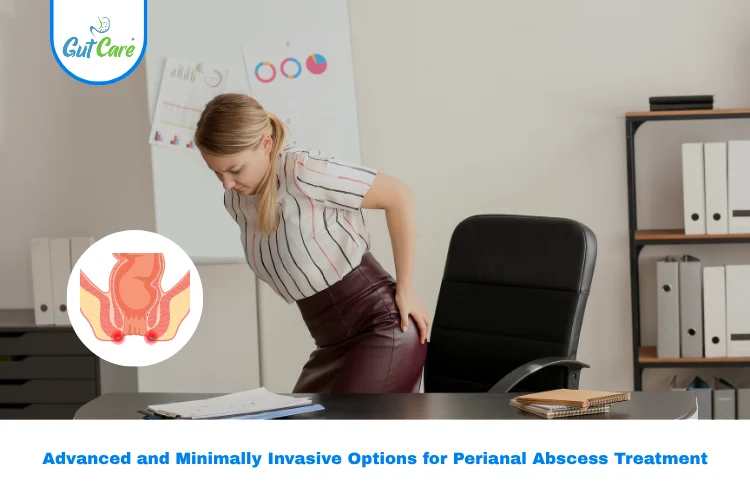
- Constant pain or throbbing near the anal area
- Swelling and tenderness around the anus
- Redness or warmth over the affected area
- Fever or general discomfort
- Difficulty sitting or passing stools comfortably
If these symptoms persist, it’s important to visit a specialist for a proper diagnosis and timely Perianal Abscess Treatment.
Perianal Abscess Treatment at Home
Mild cases may temporarily be managed with supportive care at home. However, it’s important to remember that home remedies do not cure the infection they only help relieve discomfort until medical care is available.
Some helpful measures include:
- Warm Sitz baths: Sitting in warm water for 10–15 minutes can ease pain and swelling.
- Maintaining hygiene: Clean the area gently and regularly to avoid further infection.
- Healthy diet: High-fiber foods and fluids can prevent straining during bowel movements.
- Pain relief: Over-the-counter medication may reduce discomfort (as advised by a doctor).
If symptoms worsen or do not improve, professional medical intervention is necessary. Dr. Yuvrajsingh Gehlot at Gutcare Clinics ensures a complete evaluation before recommending treatment.
Advanced and Minimally Invasive Treatment Options
Modern medical techniques have significantly improved recovery outcomes for patients with a perianal abscess. The primary goal is to drain the abscess safely, control infection, and prevent complications such as fistula formation.
1. Incision and Drainage (I&D)
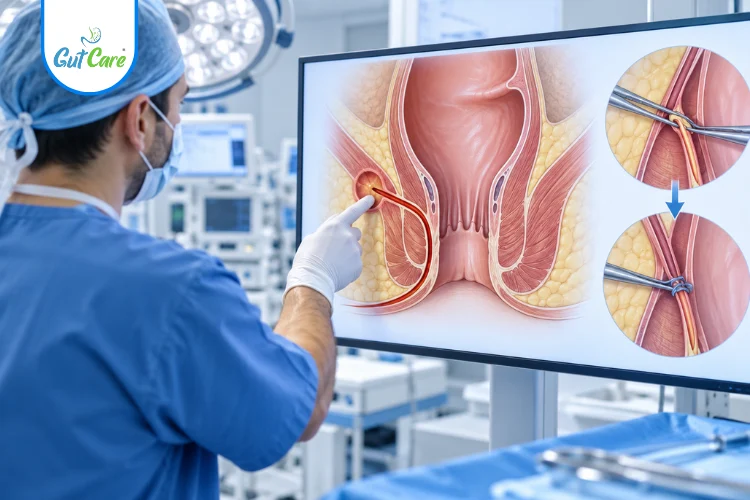
This is the standard and most effective treatment. Under local or general anesthesia, the surgeon makes a small incision to drain pus and relieve pressure. The wound is then cleaned and dressed properly.
2. Minimally Invasive Drainage Techniques
With the help of advanced surgical tools, drainage can be performed using smaller incisions, reducing discomfort and recovery time. These methods are especially beneficial for patients with complex abscesses.
3. Antibiotic Therapy
Antibiotics are prescribed to control infection and prevent recurrence, particularly in patients with diabetes or immune-related conditions.
4. Laser and Endoscopic Assistance
In certain cases, laser-assisted drainage or endoscopic abscess management can be performed. These advanced methods are precise, safe, and ensure minimal tissue damage.
5. Management of Recurrent Abscesses and Fistulas
If a fistula develops after an abscess, additional treatment may be needed. The types of perianal fistula include:
- Intersphincteric fistula
- Transsphincteric fistula
- Suprasphincteric fistula
- Extrasphincteric fistula
Each type requires a different surgical approach, and only an experienced colorectal surgeon like Dr. Yuvrajsingh Gehlot can determine the best treatment plan.
Why Choose Gutcare Clinics for Perianal Abscess Treatment?
At Gutcare Clinics, Bangalore, patients receive advanced and personalized care for all anorectal conditions.
Key benefits include:
- Expertise of Dr. Yuvrajsingh Gehlot, a skilled colorectal surgeon
- Modern, minimally invasive surgical methods
- Focus on patient comfort, safety, and quick recovery
- Complete post-treatment guidance to prevent recurrence
The clinic’s patient-centered approach ensures both effective treatment and long-term relief.
Recovery and Aftercare Tips
Proper aftercare plays a vital role in preventing recurrence and promoting faster healing:
- Keep the treated area clean and dry
- Use Sitz baths as advised
- Eat a fiber-rich diet to avoid constipation
- Drink plenty of water
- Follow all postoperative care instructions provided by your surgeon
With correct management, most patients recover fully within a few weeks after undergoing Perianal Abscess Treatment.
Conclusion
A perianal abscess may be painful, but with timely and expert treatment, recovery is quick and effective. Minimally invasive Perianal Abscess Treatment options at Gutcare Clinics, under Dr. Yuvrajsingh Gehlot, ensure safe, precise care and lasting relief.
If you experience persistent pain, swelling, or discharge near the anal area, seek early medical evaluation. Prompt diagnosis and professional care can prevent future complications and restore your comfort and health.
Frequently Asked Questions (FAQs)
1. What is the best Perianal Abscess Treatment?
The best treatment involves surgical drainage performed by a qualified colorectal surgeon. In mild cases, antibiotics and hygiene measures may help.
2. Can Perianal Abscess Treatment be done at home?
Home care can provide temporary relief through warm baths and hygiene, but it cannot cure the abscess. Medical treatment is essential for complete recovery.
3. What are the common perianal abscess symptoms?
Pain, swelling, redness, and tenderness near the anus are typical signs. Fever and difficulty sitting may also occur if the infection spreads.
4. What causes a perianal abscess?
The main perianal abscess causes include blocked glands, poor hygiene, infections, or conditions like Crohn’s disease and diabetes.
5. Why choose Gutcare Clinics for Perianal Abscess Treatment?
Gutcare Clinics, led by Dr. Yuvrajsingh Gehlot, provides advanced, minimally invasive Perianal Abscess Treatment with a focus on comfort and long-term recovery.