When dealing with discomfort, pain, or recurring infection around the anal area, understanding the best treatment for fistula becomes crucial. At Gutcare Clinics in Bangalore, Dr. Yuvrajsingh Gehlot, an experienced colorectal surgeon, offers advanced and personalized care for patients with anal fistula and related anorectal disorders.
A fistula is a small tunnel that forms between the skin near the anus and the anal canal. Early diagnosis and proper medical management can prevent chronic pain and repeated infections. This guide explains fistula meaning, its symptoms, and the most effective and permanent cure options available today.
What Is a Fistula? Understanding the Condition
Before exploring the best treatment for fistula, it’s important to understand what the condition is.
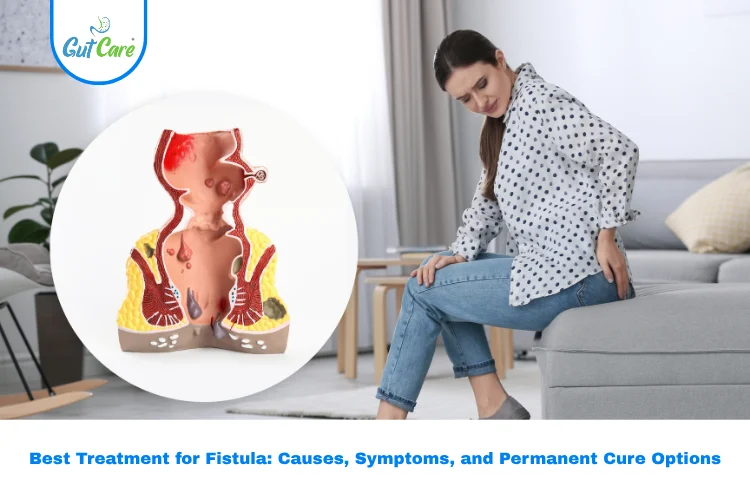
A fistula (specifically anal fistula) is an abnormal passage that connects an infected gland inside the anus to the skin outside. It usually develops after an anal abscess fails to heal completely, leaving a tunnel that repeatedly fills with pus
.
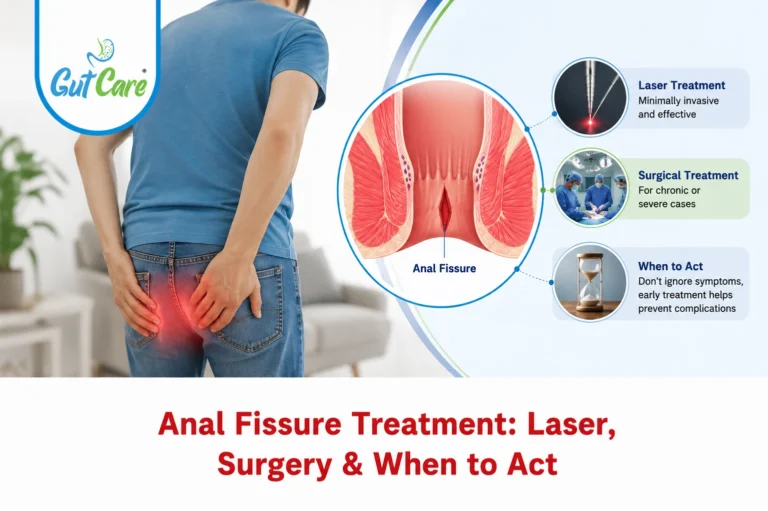
The condition is often confused with fissure disease, but both are different. A fissure is a tear in the anal lining, whereas a fistula is an infected tract that requires medical or surgical intervention.
Common Causes of Fistula
The development of a fistula is typically linked to infection or blockage in the anal glands. Common causes include:
- Untreated anal abscess
- Inflammatory bowel diseases like Crohn’s disease
- Long-term infections or tuberculosis
- Trauma to the anal area
- Prior surgeries or radiation therapy
- Conditions like fissure disease leading to chronic inflammation
Knowing the cause helps doctors determine the best treatment for fistula and reduce the chances of recurrence.
Best Treatment for Fistula: Modern and Effective Options
At Gutcare Clinics Bangalore, Dr. Yuvrajsingh Gehlot provides multiple advanced options to manage fistula depending on its type and severity.
Here are the most effective and best treatment for fistula approaches:
1. Fistulotomy
This is one of the most common surgical treatments where the fistula tract is opened and cleaned to allow natural healing. It is highly effective for simple fistulas.
2. Seton Placement
A surgical thread (seton) is placed inside the tract to drain infection gradually. It prevents cutting through the sphincter muscles, thus preserving continence.
3. LIFT Procedure (Ligation of Intersphincteric Fistula Tract)
A minimally invasive method suitable for complex fistulas. It closes the internal opening while preserving muscle function.
4. Laser Fistula Treatment
Modern and painless, this procedure uses laser energy to close the tract. It offers quicker healing, less pain, and minimal downtime. It’s among the best treatment for fistula options available today.
5. Fibrin Glue or Collagen Plug
For patients unsuitable for surgery, a biocompatible sealant or plug can close the tract effectively without cutting tissue.
Fistula Symptoms You Shouldn’t Ignore
Recognizing the early signs helps in timely treatment. Common fistula symptoms include:
- Persistent pain or swelling near the anus
- Pus or foul-smelling discharge
- Redness or irritation around the anal opening
- Fever or fatigue due to infection
- Recurrence of abscess or boils
Ignoring these symptoms can lead to chronic infection and may complicate anal fistula treatment.
Fistula Classification and Anal Fistula Types
Fistula classification is based on the tract’s relation to the sphincter muscles. Understanding the anal fistula types helps in choosing the most suitable treatment:
- Intersphincteric Fistula – The tract runs between the internal and external sphincter muscles.
- Transsphincteric Fistula – The tract crosses both sphincter muscles.
- Suprasphincteric Fistula – The tract travels above the sphincter before exiting on the skin.
- Extrasphincteric Fistula – A rare type where the tract bypasses the sphincter muscles completely.
Accurate classification through imaging and clinical evaluation ensures the best treatment for fistula is chosen effectively.
Diagnosis: Identifying the Problem Early
A skilled colorectal surgeon performs a detailed examination to identify the tract and any internal openings. Diagnostic tests may include:
- Digital rectal examination
- MRI or fistulogram for mapping the tract
- Ultrasound to detect abscess pockets
Early diagnosis allows for targeted treatment, reducing discomfort and promoting faster healing.
Lifestyle Tips and Home Care After Treatment
While medical treatment is essential, following these habits supports healing:
- Maintain proper anal hygiene
- Avoid constipation with a fiber-rich diet
- Drink plenty of water
- Do not ignore pain, swelling, or discharge
- Follow post-operative instructions carefully
Regular check-ups with your colorectal surgeon help prevent recurrence and ensure lasting recovery.
When to Consult a Doctor
If you experience persistent anal pain, pus discharge, or recurrent abscesses, consult a specialist immediately. Delaying care can worsen infection and lead to multiple tracts that are harder to treat. Visiting Gutcare Clinics in Bangalore ensures access to expert evaluation and the best treatment for fistula using modern, minimally invasive techniques.
Conclusion
A fistula can be painful and frustrating, but with early diagnosis and proper medical intervention, permanent relief is achievable. At Gutcare Clinics, Dr. Yuvrajsingh Gehlot offers the best treatment for fistula through advanced surgical techniques and compassionate care. Don’t ignore your symptoms seek timely consultation to prevent complications and regain a healthy, comfortable life.
Frequently Asked Questions (FAQs)
1. What is the best treatment for fistula without surgery?
For simple cases, non-surgical treatments like fibrin glue or laser therapy may work, but consulting a colorectal surgeon ensures the best treatment for fistula is chosen safely.
2. How do I know if I have a fistula or fissure?
A fissure causes sharp pain during bowel movement, while a fistula often causes continuous discharge or swelling. Accurate diagnosis helps decide the best treatment for fistula.
3. Can a fistula heal permanently?
Yes. With procedures like LIFT or laser treatment, most patients achieve complete and permanent recovery from anal fistula.
4. Is laser treatment the best option for anal fistula?
Laser treatment is considered one of the best treatments for fistula as it minimizes pain, bleeding, and recovery time compared to traditional surgery.
5. Where can I find the best treatment for fistula in Bangalore?
At Gutcare Clinics, Bangalore, Dr. Yuvrajsingh Gehlot provides modern, safe, and effective solutions designed for each patient’s condition, ensuring the best treatment for fistula with lasting results.