
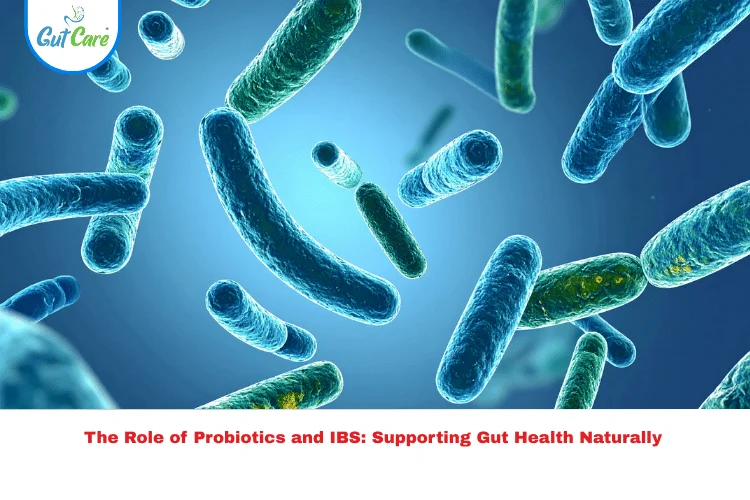
Irritable Bowel Syndrome (IBS) is a common digestive condition that affects how the gut functions, often leading to symptoms such as bloating, abdominal discomfort, gas, and irregular bowel habits. In recent years, growing attention has focused on the connection between probiotics and IBS management. Probiotics, often referred to as “good bacteria,” help maintain a healthy balance within the gut microbiome, which plays a key role in digestion and overall intestinal stability. Understanding how probiotics influence gut health may offer valuable insight into whether they can support symptom control and improve daily digestive comfort for individuals living with IBS.
“ Support your gut naturally—discover how probiotics can transform IBS relief.”
Understanding IBS: Causes and Common Symptoms
Irritable Bowel Syndrome (IBS) is a functional digestive condition that affects the large intestine. It does not cause structural damage but significantly impacts daily comfort.
Common symptoms include:
- Abdominal pain or cramping
- Bloating and gas
- Constipation (IBS-C)
- Diarrhea (IBS-D)
- Alternating constipation and diarrhea (Mixed IBS)
Triggers vary from person to person. Stress, certain foods, hormonal changes, and gut infections can worsen symptoms. This is where probiotics and IBS care plans often become part of a supportive strategy.
What Are Probiotics and How Do They Work?
Probiotics are beneficial bacteria that support digestive health. Our gut contains trillions of microorganisms, collectively called the gut microbiome.
These good bacteria:
- Help break down food
- Support nutrient absorption
- Protect against harmful bacteria
- Regulate bowel movement
When gut bacteria become imbalanced, IBS symptoms may worsen. Supporting the microbiome is one reason why probiotics and IBS are often discussed together in digestive health care.
The Gut Microbiome and Its Role in IBS
The gut microbiome plays a central role in digestion and immune function. Studies suggest that people with IBS often have altered gut bacteria composition.
Imbalance may lead to:
- Increased gas production
- Sensitivity to certain foods
- Irregular bowel movements
- Inflammation-like symptoms
Improving microbial balance is a core reason why doctors consider probiotics and IBS management as part of a broader treatment plan.
How Probiotics May Help Reduce IBS Symptoms
Probiotics may:
- Reduce bloating
- Improve stool consistency
- Ease abdominal discomfort
- Support regular bowel movements
Different strains target different symptoms. Some help constipation, while others reduce diarrhea or gas. Because IBS varies, personalized guidance is important when using probiotics and IBS support strategies.
Probiotics for IBS-C, IBS-D, and Mixed IBS
IBS symptoms differ, so probiotic selection should match the type:
- IBS-C (Constipation): Strains that improve stool movement and soften stools.
- IBS-D (Diarrhea): Strains that stabilize bowel frequency.
- Mixed IBS: Broad-spectrum probiotics may help regulate balance.
Using targeted strains improves results when addressing probiotics and IBS together.
How to Choose the Right Probiotic Supplement
When selecting a probiotic:
- Check the strain name clearly listed
- Look for clinically studied strains
- Ensure adequate CFU count (as advised by doctor)
- Choose trusted brands
- Store properly if refrigeration is required
Professional guidance ensures safer and more effective use when considering probiotics and IBS management.
Dietary Sources of Natural Probiotics
In addition to supplements, natural probiotic foods include:
- Curd and yogurt
- Buttermilk
- Fermented rice
- Pickled vegetables
- Kefir
Including these foods supports natural gut balance. However, severe IBS cases may require structured medical guidance beyond diet alone.
How Long Does It Take for Probiotics to Work?
Most individuals notice improvement within 4–6 weeks. Some may require longer use. Consistency is important.
Stopping too early may limit benefits. Patience and monitoring symptoms are key when working with probiotics and IBS solutions.
How Can Good Bacteria Improve Gut Health?
Good bacteria, known as probiotics, help maintain balance in the gut microbiome, which plays a key role in digestion and overall gut health. In people with IBS, this balance may be disrupted, leading to symptoms like bloating, gas, and irregular bowel movements. Probiotics support digestion by improving microbial diversity, strengthening the intestinal barrier, and helping regulate immune responses in the gut. Certain strains may reduce discomfort and promote more regular bowel patterns. When combined with a balanced diet and stress management, probiotics can contribute to improved digestive comfort and better long-term gut health in individuals with IBS.
Combining Probiotics with Diet and Lifestyle Changes
Probiotics work best when combined with:
- Low FODMAP diet (if recommended)
- Regular exercise
- Stress reduction techniques
- Adequate hydration
- Regular sleep
This integrated approach strengthens results when managing probiotics and IBS together.
Expert Care for IBS in Bangalore
For individuals experiencing persistent digestive discomfort, structured evaluation is essential for accurate IBS management. Gutcare Clinics, located in Bangalore, provides specialized digestive care tailored to individual needs. Under the guidance of Dr. Yuvrajsingh Gehlot, an experienced colorectal surgeon, patients undergo comprehensive assessments followed by evidence-based treatment planning.
The clinic focuses on identifying underlying triggers, addressing microbiome imbalance, and creating personalized dietary and medical strategies. Rather than relying solely on supplements, the approach integrates probiotic guidance, medications when necessary, and structured lifestyle modifications to support safe, effective, and long-term relief from IBS symptoms.
Tips for Maintaining Long-Term Gut Health
- Eat balanced meals regularly
- Include fiber gradually
- Avoid trigger foods
- Manage stress effectively
- Stay physically active
- Schedule periodic digestive checkups
Long-term success comes from consistency and professional supervision when symptoms persist.
Conclusion: Supporting Gut Balance with Probiotics
probiotics may play a supportive role in managing IBS by helping maintain a healthier balance within the gut microbiome. While they are not a standalone cure, the right strains in appropriate amounts can contribute to improved digestive stability and reduced discomfort for some individuals. Because IBS symptoms and triggers vary from person to person, professional guidance is important when considering probiotic use. A structured approach that combines dietary awareness, lifestyle adjustments, and informed supplementation can offer better long-term results. At Gutcare Clinics, patients receive personalized digestive care focused on restoring gut balance and improving overall quality of life.
Frequently Asked Questions (FAQs)
1. How are probiotics and IBS connected?
Probiotics and IBS are connected through the gut microbiome. Good bacteria may help balance digestion and reduce common IBS symptoms.
2. What are the best probiotic strains for IBS?
Strains like Bifidobacterium infantis and Lactobacillus plantarum are commonly recommended for probiotics and IBS symptom support.
3. How long should I take probiotics for IBS?
Most people need at least 4–8 weeks to see improvement when using probiotics and IBS management strategies.
4. Can Gutcare Clinics help with IBS treatment?
Yes, Gutcare Clinics in Bangalore provides structured IBS care under Dr. Yuvrajsingh Gehlot, offering personalized digestive treatment plans.
5. Are probiotics safe for all IBS patients?
Generally yes, but patients with severe conditions should consult a colorectal surgeon before starting probiotics and IBS supplements.