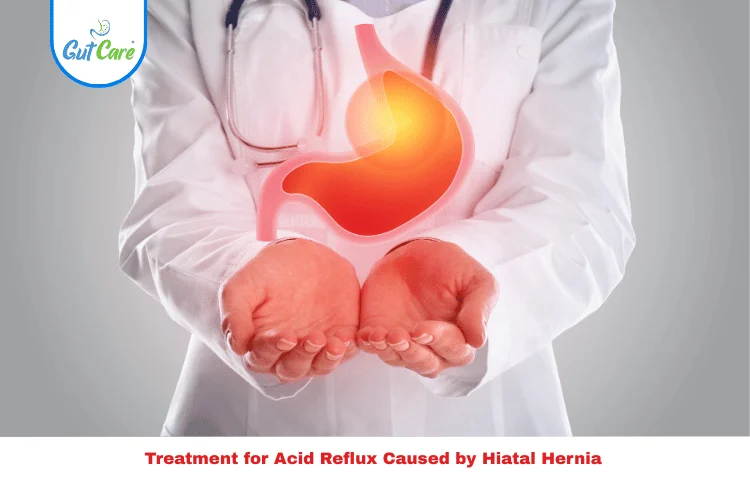
Acid reflux caused by a hiatal hernia is a common digestive concern. When part of the stomach pushes upward into the chest area, reflux becomes more frequent and bothersome. Effective Treatment for Acid Reflux becomes essential when symptoms start affecting daily comfort. At Gutcare Clinics in Bangalore, Dr. Yuvrajsingh Gehlot provides clear guidance and practical solutions to help patients manage this condition with confidence.
“Start your Treatment for Acid Reflux today and restore complete comfort —talk to the Gutcare Clinics team today ”
What Is a Hiatal Hernia and How Does It Cause Acid Reflux?
A hiatal hernia occurs when a portion of the stomach rises through an opening in the diaphragm. This weakens the natural barrier that prevents stomach contents from moving upward. As a result, acid easily flows back into the esophagus, causing irritation.
Common symptoms include:
- Burning after meals
- Sour taste in the mouth
- Bloating or heaviness
- Discomfort when lying down
- Coughing or throat irritation
Small hernias may go unnoticed, but larger ones often require structured Treatment for Acid Reflux to prevent persistent irritation.
Common Acid Reflux Symptoms Caused by Hiatal Hernia
People dealing with reflux from a hiatal hernia may notice:
- A burning feeling behind the chest
- Regurgitation or sour fluid
- Bloating after meals
- Difficulty resting comfortably
- Throat irritation or chronic cough
These signs help specialists like Dr. Yuvrajsingh Gehlot determine the severity and choose the most appropriate treatment.
Understanding the Root Cause of Acid Reflux Caused by Hiatal Hernia
A hiatal hernia weakens the valve between the stomach and esophagus. When this valve becomes loose, acid moves upward easily, causing repeated reflux episodes. Once doctors identify the exact cause, they recommend lifestyle changes and medical treatment options that provide long-term relief.
Medical Treatments for Acid Reflux Caused by Hiatal Hernia
If lifestyle changes are not enough, the next step is to explore treatment options that are safe and effective.
1. Medications
Doctors may prescribe acid-reducing medications to control irritation and protect the esophagus. These may include short-term or long-term options, depending on the patient’s condition.
2. Non-Invasive Procedures
Minimally invasive techniques help improve the function of the natural barrier and reduce reflux. These procedures aim to decrease discomfort with minimal downtime.
3. Surgical Repair
When symptoms persist despite all other forms of Treatment for Acid Reflux, especially with large hernias, surgical repair may be recommended. The procedure reinforces the diaphragm opening and restores normal function.
At Gutcare Clinics, Dr. Yuvrajsingh Gehlot evaluates each case carefully to determine the safest and most effective plan.
Lifestyle Changes to Reduce Acid Reflux from Hiatal Hernia
Before turning to medical options, doctors encourage simple lifestyle adjustments that can offer significant relief.
1. Eating Habits
- Smaller, more frequent meals
- Avoiding heavy, fried, or spicy foods
- Avoid late-night eating
2. Posture and Activity
- Sitting upright for 30 minutes after meals
- Avoiding heavy lifting
- Incorporating gentle activity like walking
3. Daily Habits
- Staying well hydrated
- Managing stress
- Maintaining a healthy weight
These changes serve as the foundation for early Treatment for Acid Reflux at Gutcare Clinics.
Expected Recovery After Hiatal Hernia and Reflux Treatment
Recovery varies based on the treatment approach:
- Lifestyle and medication: improvement often begins within days
- Minimally invasive procedures: quick return to routine activities
- Surgical repair: slightly longer recovery but strong long-term results
Following the recommended plan is essential to prevent recurrence. Regular follow-ups at Gutcare Clinics help ensure continued comfort and stability.
Additional Helpful Strategies for Long-Term Relief
Patients are encouraged to:
- Eat slowly
- Avoid tight clothing around the abdomen
- Elevate the head of the bed
- Track food triggers
- Maintain a steady eating and sleeping schedule
These simple habits support any Treatment for Acid Reflux and reduce future flare-ups.
When to Seek Professional Help
If burning, heaviness, or discomfort continues despite home care, a specialist evaluation is necessary. Early medical guidance at Gutcare Clinics prevents worsening symptoms and ensures you receive the most effective plan. Dr. Yuvrajsingh Gehlot helps determine whether medication, therapy, or advanced treatment is required.
Summary
Managing acid reflux due to a hiatal hernia requires a structured approach—combining lifestyle changes, medical evaluation, and timely treatment. With the support of Gutcare Clinics and the expertise of Dr. Yuvrajsingh Gehlot, patients can find a Treatment for Acid Reflux plan that truly fits their needs. Recognizing early signs and acting promptly helps ensure long-term comfort and a better quality of life.
FAQs
1. What is the best Treatment for Acid Reflux caused by a hiatal hernia?
The best Treatment for Acid Reflux depends on symptom severity and may include lifestyle changes, medications, or minimally invasive options.
2. Can lifestyle changes alone control reflux from a hiatal hernia?
Yes, many people notice improvement with regular meals, proper posture, and trigger food avoidance, especially when combined with early Treatment for Acid Reflux.
3. When should someone seek medical help for reflux symptoms?
If symptoms persist for several weeks or affect sleep or eating patterns, an evaluation is needed to determine the right Treatment for Acid Reflux.
4. Does a hiatal hernia always need surgery?
No. Many cases improve with structured Treatment for Acid Reflux using non-surgical methods unless the hernia is large or symptoms keep returning.
5. How does Gutcare Clinics help people with reflux and hernia issues?
Gutcare Clinics in Bangalore provides personalized assessment and structured Treatment for Acid Reflux under the guidance of Dr. Yuvrajsingh Gehlot.