Ulcerative Colitis Treatment is something many people search for when ongoing digestive discomfort starts affecting daily life. If you often deal with abdominal pain, frequent bowel movements, or fatigue, you’re not alone. These symptoms can feel overwhelming, especially when they come and go unpredictably. Understanding the right treatment approach can help you regain control, reduce flare-ups, and improve your overall quality of life.
The good news is that managing this condition has come a long way. With the right care plan, most people are able to reduce flare-ups, stay in remission, and get back to enjoying their daily life. This guide is designed to help you understand your options from recognising early signs and adjusting your diet, to finding expert care in Bangalore.
Medically Reviewed by: Dr. Yuvraj Singh Gehlot (Laparoscopic Surgeon, General Surgeon, Proctologist)
For Appointments 📞 Call: 8431 550 550 | 🌐 Book Appointment Online at Gutcare Clinics
What Is Ulcerative Colitis?
Ulcerative colitis is a chronic inflammatory condition that affects the inner lining of the large intestine and rectum. It tends to follow a cycle — periods of active symptoms (flares) followed by stretches of remission where you feel relatively normal. The key is learning how to extend those quiet periods and shorten the difficult ones.
Understanding the common ulcerative colitis causes can help you take a more active role in your care:
• An immune system that reacts abnormally and inflames the gut lining
• Genetic factors — a family history of inflammatory bowel disease increases risk
• Imbalances in gut bacteria that disrupt normal digestive function
• Environmental triggers such as certain foods, stress, or medications
It is also useful to know how this condition differs from Crohn’s disease, which affects different parts of the digestive tract. You can explore the key differences in detail here: Crohn’s Disease vs Ulcerative Colitis.
Common Ulcerative Colitis Symptoms to Watch For
Ulcerative colitis symptoms can appear gradually and vary from one person to the next. Some people experience mild, manageable discomfort, while others go through more intense episodes that affect daily routines. Here are the signs most commonly reported:
• Loose or watery stools, sometimes with blood or mucus
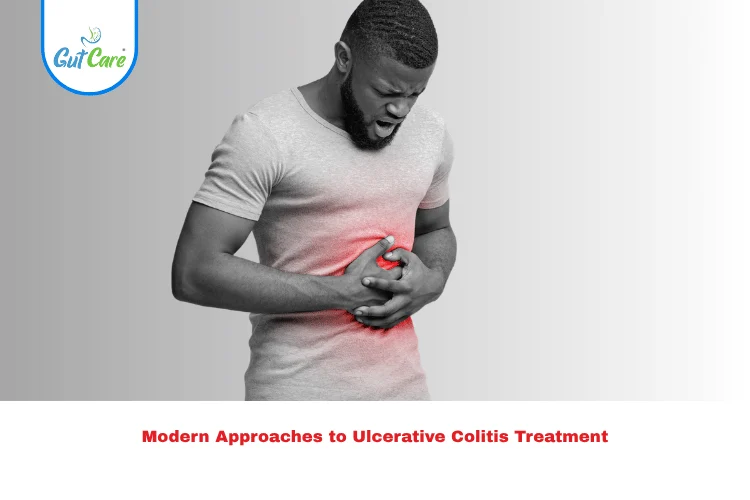
• Abdominal cramping, particularly in the lower left side
• A frequent and urgent need to use the toilet
• Unexplained tiredness and low energy
• Unintended weight loss and reduced appetite
• Low-grade fever during active flare periods
If these ulcerative colitis symptoms keep returning over several weeks, it is important not to dismiss them. Early assessment by a gastroenterologist in Bangalore can lead to faster, more effective care.
Ulcerative Colitis Treatment Options
Finding the right ulcerative colitis treatment depends on the severity of your symptoms and how your body responds to care.
Medications for Ulcerative Colitis
Doctors may recommend medications for ulcerative colitis to reduce inflammation and manage flare-ups. These are usually the first step in treatment and help maintain remission.
Non-Surgical Management
Many patients benefit from ulcerative colitis treatment without surgery, especially when diagnosed early. Lifestyle adjustments and regular monitoring can make a big difference.
Advanced Care Options
In severe cases, advanced procedures may be required. Consulting a specialist ensures you receive personalized ulcerative colitis treatment suited to your condition.
Ulcerative Colitis Flare-Up Management: Practical Steps That Help
One of the most important aspects of living well with this condition is knowing how to manage ulcerative colitis flare-ups as they happen. The aim is to calm inflammation, ease discomfort, and return to remission without unnecessary delay.
Switch to Easier-to-Digest Foods
During an active flare, the gut needs a lighter load. Soft, low-fibre foods like plain rice, cooked vegetables, and steamed proteins are much gentler on an inflamed colon. Small, frequent meals tend to work better than large ones.
Keep Hydration a Priority
Frequent stools during a flare can lead to fluid loss. Sipping water, diluted fruit juice, and oral rehydration solutions throughout the day helps maintain fluid balance and prevents fatigue from worsening.
Reduce Stress Where Possible
Stress does not cause ulcerative colitis, but it is a well-recognised trigger for flares. Simple techniques like slow breathing, light stretching, or spending time outdoors can help your nervous system settle and reduce gut reactivity.
Keep a Symptom Journal
Writing down what you eat, how you feel, and when symptoms appear helps both you and your doctor identify patterns over time. This kind of tracking is especially helpful for adjusting your ulcerative colitis treatment plan during regular check-ups.
Ulcerative Colitis Flare-Up Management Tips
- Identify and avoid triggers
- Maintain a regular eating schedule
- Stay hydrated
- Follow your doctor’s advice
How to Manage Ulcerative Colitis Flare-Ups Naturally
Simple lifestyle changes like stress management, gentle exercise, and adequate sleep can improve outcomes and support ulcerative colitis treatment.
Ulcerative Colitis Diet Plan: What to Eat and What to Avoid
A well-planned ulcerative colitis diet plan cannot replace medication, but it can meaningfully reduce the frequency and intensity of flares. The right nutritional approach varies from person to person, but there are some general principles that most patients find helpful.
Best Foods to Eat During an Ulcerative Colitis Flare
• Plain white rice, soft cooked pasta, and white bread
• Well-cooked vegetables such as carrots, pumpkin, and peeled potatoes
• Lean proteins like steamed fish or boiled chicken
• Bananas and stewed apple — gentle on the gut and easy to digest
• Low-fat yoghurt with live cultures, if you tolerate dairy
Foods to Avoid in Ulcerative Colitis
• Raw vegetables and high-fibre whole grains during active flares
• Spicy, fried, or heavily processed foods
• Dairy products if you experience lactose sensitivity
• Carbonated drinks, alcohol, and caffeine
• Legumes and gas-producing foods that may worsen bloating
The best diet for ulcerative colitis patients is always personalised. A gastroenterologist or gut health specialist in Bangalore can help you map out a plan that works with your food preferences, culture, and health needs.
Lifestyle Tips for Ulcerative Colitis Patients
Beyond medication and food, the way you live day to day can significantly affect how well you manage this condition. These lifestyle tips for ulcerative colitis patients are practical, achievable, and supported by clinical experience:
• Move gently and regularly — walking, swimming, or light yoga support gut health without overexertion
• Avoid smoking; it is linked to more frequent and more severe flares
• Maintain consistent meal timings to reduce digestive unpredictability
• Prioritise good-quality sleep, as poor rest can worsen inflammation
• Seek support if anxiety around your symptoms is affecting daily life — mental well-being matters too
• Attend all follow-up appointments, even during remission, to monitor disease activity
When Should You Consult a Specialist?
If your symptoms have persisted for more than a few weeks, or if your current approach does not seem to be working, it is worth speaking with a qualified specialist. The earlier ulcerative colitis treatment is started and optimised, the better your long-term outcomes tend to be.
At Gutcare Clinics, patients across Bangalore receive personalised care from experienced specialists in gut and digestive health. The clinic also serves patients looking for piles treatment in Bangalore, fistula care in Bangalore, and those seeking a trusted gastroenterologist in Indiranagar. The team brings together clinical expertise and a patient-first approach to support you through every stage of your journey.
Care at Gutcare Clinics is led by Dr. Yuvraj Singh Gehlot, a specialist in laparoscopic surgery, general surgery, and proctology. With hands-on experience managing complex inflammatory bowel conditions, Dr. Gehlot works closely with each patient to design a treatment plan that fits their lifestyle and health goals.
Conclusion
Understanding your condition is the first step toward managing it well. Ulcerative colitis treatment today offers real, evidence-based options that can help you reduce flares, maintain remission, and lead a healthy, fulfilling life. Whether you are in the early stages of managing ulcerative colitis symptoms or looking to fine-tune a plan that is already in place, the right specialist can make a meaningful difference.
From building a sound ulcerative colitis diet plan to finding the right medications for ulcerative colitis, you deserve care that is personalised, compassionate, and backed by clinical expertise. Gutcare Clinics in Bangalore is here to provide exactly that — for ulcerative colitis treatment and beyond.
Ready to Take the Next Step?
Do not wait for symptoms to worsen. Book your consultation at Gutcare Clinics, Bangalore and speak with a specialist who truly understands what you are going through. Early, personalised ulcerative colitis treatment gives you the best chance of lasting relief.
📞 Call: 8431 550 550 | 🌐 Book Appointment Online at Gutcare Clinics
“ Take control of symptoms with timely care and consistent management.”
Frequently Asked Questions
1. Can ulcerative colitis be managed without surgery?
Yes, the majority of people with this condition do very well with medication, dietary adjustments, and lifestyle changes. Surgery is only considered in specific cases where other treatments have not provided adequate long-term relief after thorough evaluation by a specialist.
2. How do I reduce colon inflammation fast during a flare?
Resting, staying well-hydrated, and eating soft low-fibre foods are the most immediate steps. Your doctor may also recommend adjusting your current medications or a short course of anti-inflammatory treatment to help bring things under control more quickly.
3. What is the best ulcerative colitis treatment?
The best ulcerative colitis treatment depends on your symptoms and condition severity. It often includes medications, diet changes, and lifestyle adjustments.
4. What foods work best for ulcerative colitis patients ?
Soft, low-spice meals — such as plain dal, steamed rice, cooked vegetables, and curd — are generally well-tolerated. Avoiding very spicy or oily preparations, particularly during a flare, is a good starting point. A personalised plan from your specialist will always be more effective than a generic guide.
5. How is ulcerative colitis different from irritable bowel syndrome?
Ulcerative colitis involves actual inflammation and damage to the colon lining, whereas irritable bowel syndrome is a functional disorder without visible tissue changes. The symptoms may overlap, which is why an accurate diagnosis from a gastroenterologist is so important before starting any treatment.