Cancer affecting the lower digestive system can often create confusion, especially when symptoms overlap. Many people search for anal cancer vs colorectal cancer because both conditions involve the bowel region and may cause symptoms such as bleeding, pain, or changes in bowel habits. However, they are different cancers that develop in different areas and may require different approaches for diagnosis and treatment.
Understanding the difference between anal cancer and colorectal cancer can help you recognise warning signs early and seek appropriate medical advice. At Gutcare Clinics, Bangalore, our specialists focus on providing accurate evaluation and personalised care for digestive and colorectal conditions.
If you notice persistent symptoms such as rectal bleeding, unexplained changes in bowel habits, or discomfort around the anal area, consulting a colorectal specialist can help identify the underlying cause.
Looking for expert evaluation of colorectal symptoms in Bangalore? Contact Gutcare Clinics to discuss your concerns with experienced specialists.
Book an appointment Today!
What Is the Difference Between Anal Cancer and Colorectal Cancer?
Although both cancers affect the lower digestive tract, their location, causes, treatment methods, and risk factors can differ significantly.
The main difference is where the cancer begins:
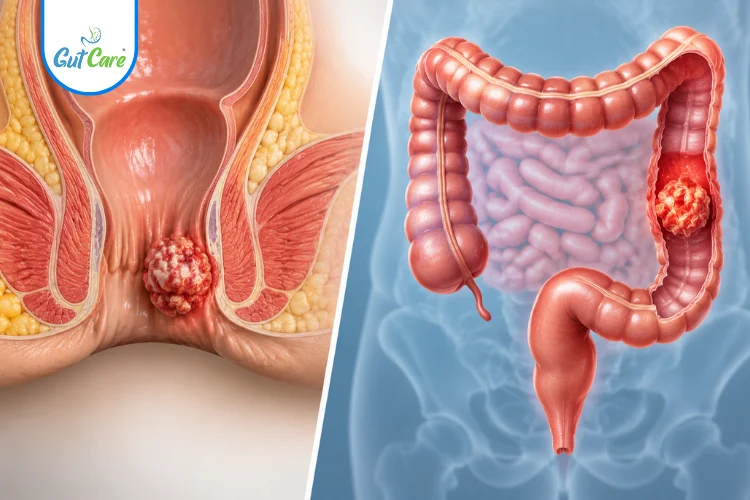
- Anal cancer develops in the anus, the final opening of the digestive tract where stool leaves the body.
- Colorectal cancer develops in the colon or rectum, which are parts of the large intestine responsible for absorbing water and storing waste.
The anus and rectum are located close to each other, which is why symptoms can sometimes appear similar. However, these cancers are considered separate conditions.
Understanding Anal Cancer
What Is Anal Cancer?
Anal cancer occurs when abnormal cells grow uncontrollably in the tissues of the anus. The most common type is squamous cell carcinoma, which begins in the thin layer of cells lining the anal canal.
While anal cancer is less common than colorectal cancer, early detection can improve treatment outcomes.
Common Symptoms of Anal Cancer
Symptoms of anal cancer may include:
- Bleeding from the anus or rectum
- A lump or growth near the anal opening
- Persistent anal pain or discomfort
- Itching around the anus
- Changes in bowel habits
- Narrow stools
- Unusual discharge from the anus
- Swollen lymph nodes near the groin area
These symptoms can also occur with non-cancerous conditions such as piles, fissures, or infections. A proper medical evaluation is important to determine the exact cause.
Understanding Colorectal Cancer
What Is Colorectal Cancer?
Colorectal cancer refers to cancers that develop in the colon or rectum. It usually begins as small growths called polyps, which may become cancerous over time if not detected and treated.
Colorectal cancer is among the more commonly diagnosed cancers worldwide and can affect both men and women.
Common Symptoms of Colorectal Cancer
Possible colorectal cancer symptoms include:
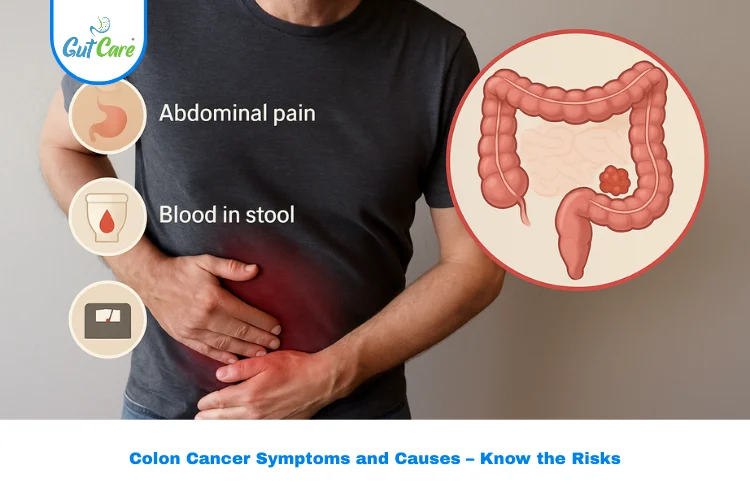
- Blood in stool
- Persistent constipation or diarrhoea
- Changes in bowel movement patterns
- Feeling that the bowel does not empty completely
- Unexplained weight loss
- Fatigue due to possible anaemia
- Abdominal pain or cramps
- Changes in stool shape or consistency
Not everyone with these symptoms has cancer. Conditions like haemorrhoids, inflammatory bowel disease, or infections can cause similar problems. However, persistent symptoms should not be ignored.
Anal Cancer vs Colorectal Cancer: Key Differences
| Feature | Anal Cancer | Colorectal Cancer |
| Location | Develops in the anus or anal canal | Develops in the colon or rectum |
| Common Type | Squamous cell carcinoma | Adenocarcinoma |
| Main Symptoms | Anal pain, bleeding, itching, lumps | Blood in stool, bowel changes, abdominal symptoms |
| Common Risk Factors | HPV infection, smoking, weakened immunity | Age, family history, polyps, lifestyle factors |
| Diagnosis | Physical examination, biopsy, imaging tests | Colonoscopy, biopsy, imaging tests |
| Treatment Approach | Often includes radiation and chemotherapy | May involve surgery, chemotherapy, targeted therapy, or other treatments |
What Causes Anal Cancer and Colorectal Cancer?
The causes of these cancers are not always linked to one specific factor. However, certain risk factors may increase the chances of developing them.
Anal Cancer Risk Factors
Factors associated with a higher risk of anal cancer include:
- Human papillomavirus (HPV) infection
- Smoking
- Reduced immune function
- Previous history of cervical, vaginal, or vulvar cancer
- Increasing age
- Chronic irritation or inflammation in the anal region
Colorectal Cancer Risk Factors
Risk factors for colorectal cancer may include:
- Increasing age
- Family history of colorectal cancer
- History of colorectal polyps
- Low-fibre diet patterns
- Obesity
- Physical inactivity
- Smoking and excessive alcohol consumption
- Certain inherited genetic conditions
How Are Anal Cancer and Colorectal Cancer Diagnosed?
Early diagnosis plays an important role in managing both conditions. Doctors may recommend different tests depending on symptoms and suspected areas.
Diagnosis of Anal Cancer
Evaluation may include:
- Physical examination of the anal region
- Digital rectal examination
- Anoscopy or proctoscopy
- Biopsy to examine abnormal tissue
- Imaging tests such as MRI, CT, or PET scans when required
Diagnosis of Colorectal Cancer
Common diagnostic methods include:
- Colonoscopy
- Stool-based screening tests
- Biopsy during colonoscopy
- CT scans or MRI scans for staging
- Blood tests such as tumour marker evaluation when recommended
A specialist will decide which tests are appropriate based on symptoms, age, risk factors, and medical history.
Treatment Differences Between Anal Cancer and Colorectal Cancer
Treatment for anal cancer and colorectal cancer depends on factors such as cancer stage, tumour location, overall health, and individual medical needs. Since these cancers develop in different areas, their treatment approaches may vary.
Treatment Options for Anal Cancer
For many cases of anal cancer, the primary treatment approach may involve a combination of:
- Chemoradiation therapy: A combination of chemotherapy and radiation therapy is commonly used to target cancer cells while helping preserve anal function.
- Surgery: Surgery may be considered in specific situations, such as when cancer does not respond to other treatments or returns after initial therapy.
- Follow-up monitoring: Regular check-ups and imaging may be recommended to monitor recovery and detect any recurrence.
Treatment Options for Colorectal Cancer
Colorectal cancer treatment may involve:
- Surgery: Removal of the cancerous section of the colon or rectum is often considered when the tumour is localised.
- Chemotherapy: Medicines may be used to destroy cancer cells or reduce the risk of recurrence.
- Radiation therapy: This may be recommended, especially for certain rectal cancers.
- Targeted therapy or immunotherapy: Some advanced cancers may be treated with medicines designed to target specific cancer characteristics.
A colorectal specialist determines the most suitable treatment plan after evaluating diagnostic results.
When Should You See a Doctor for Anal or Colorectal Symptoms?
Many symptoms related to the anal and colorectal region can occur due to common conditions like haemorrhoids, anal fissures, constipation, or infections. However, certain signs should be evaluated by a healthcare professional.
Consult a specialist if you experience:
- Bleeding during bowel movements
- Blood mixed with stool
- Persistent anal pain or discomfort
- A lump near the anus
- Unexplained weight loss
- Long-lasting changes in bowel habits
- Persistent constipation or diarrhoea
- A feeling of incomplete bowel evacuation
- Family history of colorectal cancer
Early medical evaluation can help identify whether symptoms are due to a minor condition or require further investigation.
Can Anal Cancer Be Mistaken for Piles?
Yes, anal cancer symptoms can sometimes resemble common anorectal conditions such as piles (haemorrhoids).
Both conditions may cause:
- Rectal bleeding
- Discomfort while passing stools
- A lump near the anal area
However, piles are swollen blood vessels, while anal cancer involves abnormal cell growth. Persistent or unusual symptoms should not be self-diagnosed.
A colorectal specialist can perform appropriate examinations to identify the actual cause.
Can Colorectal Cancer Be Prevented?
While not all cases of colorectal cancer can be prevented, certain lifestyle choices and screening practices may help reduce risk.
Helpful measures include:
- Eating a fibre-rich diet with vegetables, fruits, and whole grains
- Maintaining a healthy body weight
- Staying physically active
- Avoiding smoking
- Limiting alcohol consumption
- Discussing screening options with a doctor, especially if you have risk factors
Colorectal cancer screening can help detect precancerous polyps or early-stage cancer when treatment options may be more effective.
Why Early Diagnosis Matters
Both anal cancer and colorectal cancer may have better treatment possibilities when detected early. The challenge is that early symptoms can sometimes appear mild or resemble common digestive issues.
Ignoring symptoms because they seem temporary may delay diagnosis. If changes persist for more than a short period, professional evaluation can provide clarity and appropriate guidance.
At Gutcare Clinics, Bangalore, patients can receive expert assessment for colorectal and anorectal concerns with a focus on accurate diagnosis and personalised treatment planning.
Experiencing persistent bowel-related symptoms? Find us here:Gutcare Clinics, Indiranagar, Bangalore | Dr. Yuvraj Singh Gehlot, Digestive Health Specialist
Anal Cancer vs Colorectal Cancer: Which Specialist Should You Consult?
Depending on symptoms, patients may consult:
- Colorectal specialist/proctologist: For anal pain, bleeding, lumps, fissures, piles, and anal canal-related concerns.
- Gastroenterologist: For digestive symptoms, bowel changes, and diagnostic evaluation.
- Oncologist: For confirmed cancer diagnosis and cancer-specific treatment planning.
Choosing the right specialist can help ensure appropriate tests are performed without unnecessary delays.
Frequently Asked Questions (FAQs)
Is anal cancer the same as colorectal cancer?
No. Anal cancer and colorectal cancer are different types of cancer. Anal cancer begins in the anus, while colorectal cancer develops in the colon or rectum. Although some symptoms may overlap, their causes, diagnosis, and treatment approaches can differ.
What is the main difference between anal cancer and rectal cancer?
The main difference is their location. Anal cancer starts in the anal canal, while rectal cancer develops in the rectum, which is part of the large intestine. Both conditions require different evaluation and treatment approaches.
Can piles turn into anal cancer?
No, piles do not directly turn into anal cancer. However, symptoms like bleeding or anal discomfort may occur in both conditions. Persistent symptoms should be checked by a doctor to determine the actual cause.
What are the early warning signs of colorectal cancer?
Early signs may include changes in bowel habits, blood in stool, unexplained weight loss, persistent abdominal discomfort, fatigue, or a feeling that the bowel does not empty completely.
How is anal cancer diagnosed?
Anal cancer diagnosis may involve a physical examination, digital rectal examination, anoscopy or proctoscopy, biopsy, and imaging tests if required.
When should I get screened for colorectal cancer?
Screening recommendations depend on age, family history, and personal risk factors. People with increased risk may need earlier or more frequent screening based on their doctor’s advice.
Can anal cancer and colorectal cancer be treated successfully?
Treatment outcomes depend on several factors, including cancer type, stage, overall health, and response to treatment. Early diagnosis allows doctors to plan appropriate management options.
Which doctor treats anal cancer symptoms in Bangalore?
A colorectal specialist or proctologist can evaluate symptoms related to the anal region. Gutcare Clinics in Bangalore provides evaluation and guidance for various colorectal and anorectal concerns.