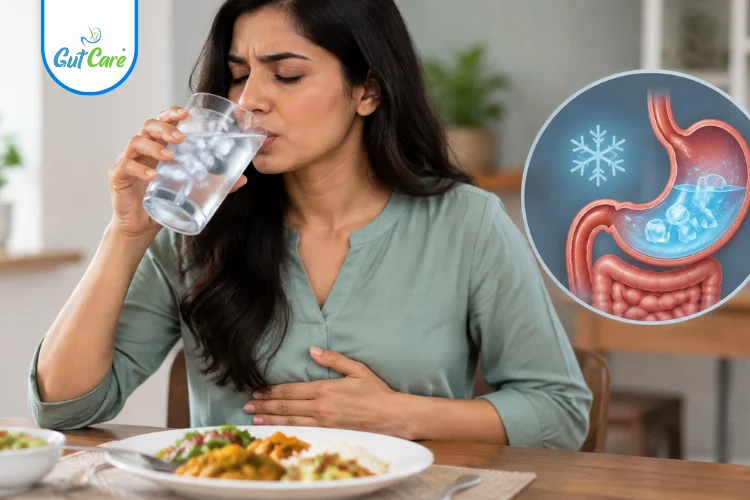
Have you ever heard someone say that drinking cold water after a meal can disturb digestion or cause stomach problems? This is a common belief followed by many people, but the actual connection between cold water and digestion is more complex.
Can drinking cold water after meals cause digestive issues? For most healthy individuals, drinking cold water after eating does not directly stop digestion or harm the digestive system. However, some people may experience discomfort such as bloating, stomach cramps, or a feeling of heaviness depending on their digestive sensitivity, eating habits, and existing gut conditions.
Understanding how water temperature affects digestion can help you make better choices for your gut health. At Gutcare Clinics, Bangalore, our specialists focus on identifying the reasons behind digestive discomfort and guiding patients toward healthier lifestyle habits.
If you frequently experience bloating, acidity, constipation, or discomfort after meals, consult a gut health specialist for proper evaluation.
Looking for expert guidance for digestive problems in Bangalore?
Book an appointment Today!
Does Drinking Cold Water After Meals Affect Digestion?
The digestive system is designed to handle food and liquids at different temperatures. When you eat a meal, digestion begins in the mouth and continues through the stomach and intestines with the help of digestive enzymes, stomach acids, and muscle movements.
Many people believe that cold water can “freeze” digestive enzymes or slow down digestion. However, there is limited scientific evidence supporting the idea that normal consumption of cold water after meals disrupts digestion in healthy people.
The body regulates the temperature of food and drinks after they enter the digestive tract. Your stomach naturally adjusts the temperature to match internal body conditions.
However, some individuals may notice temporary discomfort after drinking cold water, especially if they already have sensitive digestion.
Why Do Some People Feel Digestive Discomfort After Drinking Cold Water?
While cold water itself is not proven to damage digestion, certain factors may explain why some people feel uncomfortable after consuming chilled beverages.
1. Increased Sensitivity of the Digestive System
People with sensitive stomachs may react differently to cold drinks. Sudden temperature changes may trigger temporary stomach contractions or discomfort.
Symptoms may include:
- Stomach cramps
- Feeling of fullness
- Mild bloating
- Temporary discomfort
These symptoms are usually related to individual sensitivity rather than cold water directly causing digestive problems.
2. Drinking Large Amounts of Water Immediately After Meals
The quantity of water consumed after eating may matter more than the temperature.
Drinking a very large amount of water immediately after a heavy meal may make some people feel:
- Overly full
- Bloated
- Uncomfortable
Small amounts of water during or after meals are generally tolerated by most people.
3. Existing Digestive Conditions
People with certain gastrointestinal issues may notice symptoms after consuming cold drinks.
Conditions that may increase sensitivity include:
- Irritable Bowel Syndrome (IBS)
- Acid reflux (GERD)
- Functional dyspepsia
- Gastritis
- Bloating-related disorders
For these individuals, identifying personal triggers can be more useful than avoiding cold water completely.
Does Cold Water Slow Down Digestion?
One of the most common questions people ask is: “Does cold water slow digestion?”
The answer is that there is no strong evidence showing that cold water significantly slows the digestive process.
Digestion depends mainly on:
- Food composition
- Digestive enzyme activity
- Stomach acid production
- Gut movement
- Overall digestive health
Factors that commonly affect digestion include:
- Eating too quickly
- Low fibre intake
- Lack of physical activity
- Excessive processed foods
- Stress
- Poor sleep habits
Instead of focusing only on water temperature, maintaining healthy eating habits plays a much bigger role in supporting digestion.
Cold Water After Meals vs Warm Water: Which Is Better?
Both cold and warm water can contribute to hydration. The best choice depends on your comfort and digestive response.
Cold Water
Some people prefer cold water because it feels refreshing, especially in warm climates like Bangalore.
Possible benefits:
- Helps maintain hydration
- Feels refreshing after physical activity
- Encourages some people to drink more water
Possible concerns:
- May cause discomfort in sensitive individuals
- Can worsen symptoms for some people with digestive sensitivity
Warm Water
Some people find warm water more comfortable after meals.
Possible benefits:
- May feel soothing
- Can support comfortable digestion for some individuals
- May encourage regular hydration habits
However, warm water is not a guaranteed treatment for digestive problems.
The most important factor is choosing a habit that supports your comfort and overall health.
How to Drink Water for Better Digestion
Healthy hydration habits can support normal digestive function.
Follow These Simple Tips:
Drink Enough Water Throughout the Day
Avoid drinking most of your daily water intake only around meals. Regular hydration helps support:
- Normal bowel movements
- Nutrient absorption
- Healthy gut function
Avoid Excessive Water Immediately After Heavy Meals
Instead of consuming large amounts at once, drink water gradually based on your thirst.
Eat Slowly and Chew Properly
Digestion starts before food reaches your stomach. Proper chewing helps break down food and supports smoother digestion.
Maintain a Balanced Diet
Include:
- Fibre-rich vegetables
- Fruits
- Whole grains
- Adequate protein
- Fermented foods if suitable for you
A healthy diet supports beneficial gut bacteria and overall digestive wellness.
When Should You Consult a Gut Specialist?
Occasional bloating or discomfort after meals may not indicate a serious problem. However, persistent symptoms should not be ignored.
Consult a digestive health specialist if you experience:
- Frequent abdominal pain
- Persistent bloating
- Regular acidity or heartburn
- Unexplained weight loss
- Blood in stool
- Long-lasting constipation or diarrhoea
- Changes in bowel habits
A specialist can evaluate whether symptoms are related to food habits, lifestyle factors, or an underlying digestive condition.
Experiencing recurring bloating, acidity, or digestive discomfort after meals? GutCare Clinics Bangalore provides expert evaluation and personalised care for various digestive health concerns.
Find us here:Gutcare Clinics, Indiranagar, Bangalore | Dr. Yuvraj Singh Gehlot, Digestive Health Specialist
Common Myths About Drinking Cold Water After Meals
Many food and digestion-related beliefs are passed down through generations. While some traditional practices may be helpful for certain individuals, it is important to understand the difference between common myths and medically supported information.
Myth 1: Cold Water Stops Digestion
There is a common belief that cold water solidifies fats from food and prevents digestion. However, the human digestive system continuously regulates temperature and digestive activity.
Cold water does not stop the stomach from producing digestive acids or enzymes needed to break down food.
Myth 2: Everyone Should Avoid Cold Water After Eating
Avoiding cold water is not necessary for everyone. Healthy individuals can usually drink water at a temperature they find comfortable.
The right approach is to observe your body’s response. If cold beverages consistently trigger discomfort, choosing room-temperature water may be more comfortable.
Myth 3: Warm Water Automatically Improves Digestion
Although many people prefer warm water after meals, it is not a guaranteed solution for digestive issues. Proper nutrition, hydration, physical activity, and healthy eating habits have a greater impact on digestion.
How Gut Health Is Connected to Daily Habits
Your digestive system is influenced by multiple lifestyle factors, not just what you drink after meals.
A healthy gut depends on a combination of:
- Balanced nutrition
- Regular movement
- Adequate hydration
- Stress management
- Quality sleep
- Healthy bowel habits
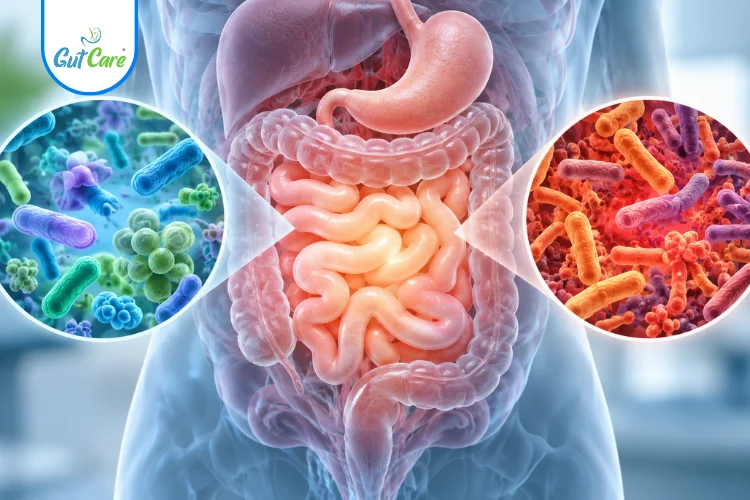
The gut contains trillions of microorganisms that play an important role in digestion, immunity, and overall wellbeing. Supporting a healthy gut environment can help maintain better digestive function.
Practical Tips to Support Better Digestion
Small daily changes can make a significant difference in digestive comfort.
1. Maintain Regular Meal Timing
Eating meals at consistent times may help your digestive system maintain a healthy routine.
2. Add More Fibre to Your Diet
Fibre supports bowel regularity and helps maintain healthy gut bacteria.
Good sources include:
- Vegetables
- Fruits
- Whole grains
- Legumes
- Nuts and seeds
3. Stay Physically Active
Regular activity supports healthy bowel movements and may reduce digestive discomfort.
Simple activities like walking after meals can support digestion.
4. Manage Stress Levels
Stress can influence the gut-brain connection and may contribute to symptoms like:
- Indigestion
- Bloating
- Changes in bowel habits
Practices such as meditation, breathing exercises, and regular exercise may support digestive wellness.
Final Thoughts: Is Cold Water After Meals Bad for Digestion?
So, can drinking cold water after meals cause digestive issues?
For most healthy people, drinking cold water after meals does not damage digestion or cause major digestive problems. The body naturally adjusts the temperature of food and liquids during digestion.
However, individuals with sensitive digestion or existing gastrointestinal conditions may experience discomfort after consuming cold beverages. In such cases, paying attention to personal triggers and maintaining healthy eating habits is more important than following general rules.
If you regularly experience bloating, acidity, constipation, or abdominal discomfort, it is better to identify the underlying cause with professional guidance rather than focusing only on water temperature.
Looking for expert digestive care in Bangalore? GutCare Clinics provides comprehensive evaluation and personalised treatment support for digestive problems, gut health concerns, and gastrointestinal conditions. Book a consultation today to take better care of your digestive health.
FAQs
Does drinking cold water after meals cause indigestion?
For most people, drinking cold water after meals does not cause indigestion. However, some individuals with sensitive digestion may experience temporary discomfort, bloating, or stomach cramps after consuming cold beverages.
Is drinking cold water after eating bad for digestion?
No, there is no strong scientific evidence that cold water after eating harms digestion. The digestive system can adjust to different temperatures of food and liquids.
Does cold water slow down digestion?
Cold water does not significantly slow digestion in healthy individuals. Digestion mainly depends on digestive enzymes, stomach acid, food composition, and gut movement.
Can cold water cause bloating after meals?
Cold water itself is not a proven cause of bloating. However, people with digestive sensitivity, IBS, or other gut-related issues may notice discomfort after drinking cold beverages.
What is the best water temperature after meals?
The best water temperature depends on individual comfort. Room-temperature or warm water may feel more comfortable for some people, while others may prefer cold water.
Should I avoid cold drinks if I have acidity?
People with acid reflux or acidity may find that certain cold or carbonated drinks worsen their symptoms. Identifying personal triggers and discussing persistent symptoms with a healthcare professional is recommended.
How long should I wait to drink water after eating?
There is no strict waiting time required for drinking water after meals. Drinking small amounts when thirsty is generally acceptable.
When should I see a doctor for digestive problems?
Consult a digestive health specialist if you experience persistent abdominal pain, frequent bloating, unexplained weight loss, blood in stool, ongoing constipation, diarrhoea, or significant changes in bowel habits.