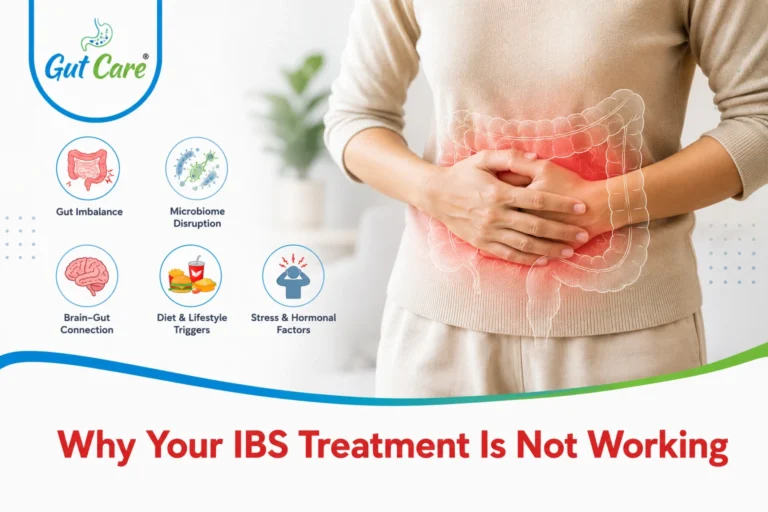
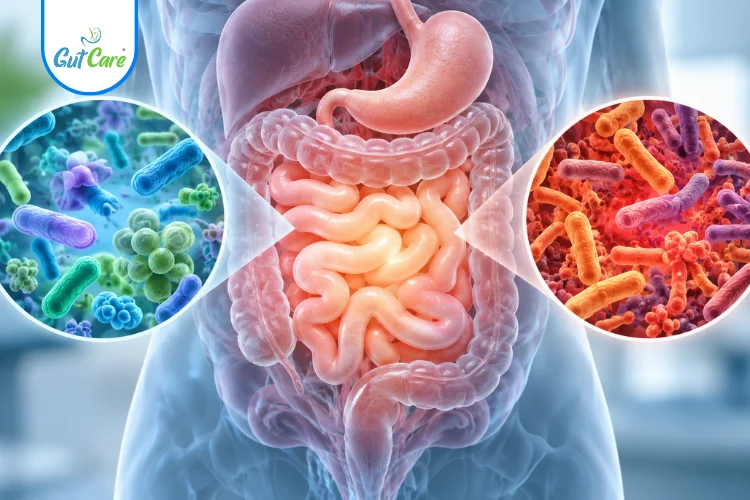
Your gut is home to trillions of bacteria that play an important role in digestion, nutrient absorption, and overall health. However, when these bacteria grow in the wrong place or become imbalanced, they can cause digestive problems. One such condition is SIBO (Small Intestinal Bacterial Overgrowth).
At Gutcare Clinics, we understand that symptoms like persistent bloating, abdominal discomfort, gas, and irregular bowel habits can affect your daily life. Identifying the underlying cause of these symptoms is the first step towards better digestive health.
Book an appointment Today!
What Is SIBO?
SIBO (Small Intestinal Bacterial Overgrowth) is a condition where excessive amounts of bacteria grow in the small intestine, an area that normally contains fewer bacteria compared to the large intestine.
The small intestine is mainly responsible for digesting food and absorbing nutrients. When too many bacteria are present, they can interfere with normal digestion and cause symptoms such as bloating, gas, diarrhoea, constipation, and abdominal pain.
These excess bacteria can also consume nutrients before your body absorbs them, potentially leading to nutritional deficiencies.
How Does SIBO Affect Your Gut?
A healthy digestive system maintains a balance of bacteria throughout the gastrointestinal tract. Several factors help control bacterial growth in the small intestine, including:
- Normal movement of food through the digestive tract
- Stomach acid production
- Digestive enzymes
- The immune system
- The migrating motor complex (natural cleansing movements of the intestine)
When these protective mechanisms are disrupted, bacteria may multiply in the small intestine and contribute to SIBO.
Common Signs and Symptoms of SIBO
SIBO symptoms can vary from person to person. Some people may experience mild digestive discomfort, while others may have persistent symptoms affecting their quality of life.
1. Persistent Bloating
One of the most common signs of SIBO is frequent bloating, especially after meals. Excess bacteria can ferment carbohydrates and produce gases such as hydrogen and methane, leading to abdominal swelling and discomfort.
2. Excess Gas
Increased bacterial activity in the small intestine can result in excessive gas production. This may cause frequent burping, flatulence, and abdominal pressure.
3. Abdominal Pain or Discomfort
Some people with SIBO experience cramps, stomach pain, or discomfort after eating due to increased gas and changes in intestinal movement.
4. Diarrhoea or Constipation
SIBO can affect bowel movements differently:
- Hydrogen-producing bacteria are often associated with diarrhoea.
- Methane-producing bacteria are often linked with constipation.
Some people may experience alternating episodes of both.
5. Feeling Full Quickly
Bacterial overgrowth can affect digestion and movement of food through the intestine, causing early fullness even after eating a small amount.
6. Nutritional Deficiencies
Excess bacteria may interfere with nutrient absorption, sometimes leading to deficiencies in vitamins such as vitamin B12 and other nutrients.
7. Fatigue and Low Energy
Poor nutrient absorption and ongoing digestive discomfort may contribute to tiredness and reduced energy levels in some individuals.
What Causes SIBO?
SIBO can develop due to several factors that affect normal intestinal function. Common causes and risk factors include:
Slow Intestinal Movement
Conditions that slow down movement of food through the intestine may allow bacteria to multiply.
Digestive Disorders
Certain digestive conditions may increase the risk of bacterial overgrowth.
Previous Abdominal Surgery
Changes in the structure or movement of the intestine after surgery may contribute to SIBO development.
Long-Term Use of Certain Medications
Some medications may influence digestion, stomach acid levels, or intestinal movement, which can affect bacterial balance.
Gut Motility Problems
When the intestine does not move food efficiently, bacteria may remain in the small intestine for longer periods.
How Is SIBO Diagnosed?
Diagnosing SIBO requires a proper evaluation of symptoms and medical history. A doctor may recommend:
Breath Test
A hydrogen or methane breath test is commonly used to identify abnormal bacterial fermentation patterns in the small intestine.
During this test, a patient consumes a specific solution, and breath samples are collected at regular intervals to measure hydrogen and methane levels.
Medical Evaluation
A healthcare professional may also review:
- Digestive symptoms
- Previous medical conditions
- Medication history
- Dietary patterns
Accurate diagnosis helps determine the appropriate treatment approach.
SIBO Treatment Options
Treatment for SIBO focuses on reducing excessive bacterial growth and addressing the underlying cause.
Depending on the condition, treatment may include:
Medications
Doctors may prescribe specific medicines to reduce bacterial overgrowth based on symptoms and test results.
Dietary Changes
A personalised diet plan may help manage symptoms and reduce triggers that worsen bloating and discomfort.
Managing Underlying Conditions
If SIBO is caused by another digestive problem, treating that condition is an important part of long-term management.
Improving Gut Health
Supporting healthy digestion through appropriate lifestyle and dietary changes may help maintain better gut balance.
When Should You Consult a Doctor?
Occasional bloating or gas is common, but persistent digestive symptoms should not be ignored.
Consider consulting a gastroenterology specialist if you experience:
- Ongoing bloating despite dietary changes
- Frequent abdominal pain
- Long-term diarrhoea or constipation
- Unexplained weight changes
- Symptoms affecting daily activities
A proper evaluation can help identify whether SIBO or another digestive condition is responsible for your symptoms.
SIBO and Gut Bacteria Balance: Understanding Your Digestive Health
Your gut microbiome plays an important role in maintaining digestive wellness. While bacteria are essential for a healthy gut, maintaining the right balance and location of these microorganisms is equally important.
Understanding symptoms early and seeking medical guidance can help prevent prolonged digestive discomfort and improve overall gut health.
At Gutcare Clinics, our gastroenterology specialists focus on identifying the root cause of digestive problems and providing personalised care based on individual health needs.
Conclusion
SIBO is a condition that occurs when bacteria grow excessively in the small intestine, affecting digestion and nutrient absorption. Symptoms such as bloating, gas, abdominal discomfort, and bowel changes may indicate an imbalance in gut bacteria.
If digestive symptoms continue despite lifestyle changes, consulting a gastroenterology specialist can help identify the cause and guide appropriate treatment. At Gutcare Clinics, we focus on personalised digestive care to help patients understand and manage their gut health better.
Find us here:Gutcare Clinics, Indiranagar, Bangalore | Dr. Yuvraj Singh Gehlot, Digestive Health Specialist
Frequently Asked Questions (FAQs)
What does SIBO stand for?
SIBO stands for Small Intestinal Bacterial Overgrowth, a condition where excessive bacteria grow in the small intestine.
Is SIBO a serious condition?
SIBO can affect digestion and nutrient absorption. Early diagnosis and appropriate treatment can help manage symptoms effectively.
Can SIBO cause bloating?
Yes. Bloating is one of the most common symptoms of SIBO due to increased gas production from bacterial fermentation.
How is SIBO different from IBS?
SIBO and IBS can have similar symptoms, such as bloating and bowel changes. However, they are different conditions and require proper evaluation for accurate diagnosis.
Can SIBO come back after treatment?
SIBO may return in some cases, especially if the underlying cause affecting gut movement or digestion is not addressed.